Toggle light / dark theme

Australian consortium to develop quantum biotechnology platform to transform Alzheimer’s treatment discovery

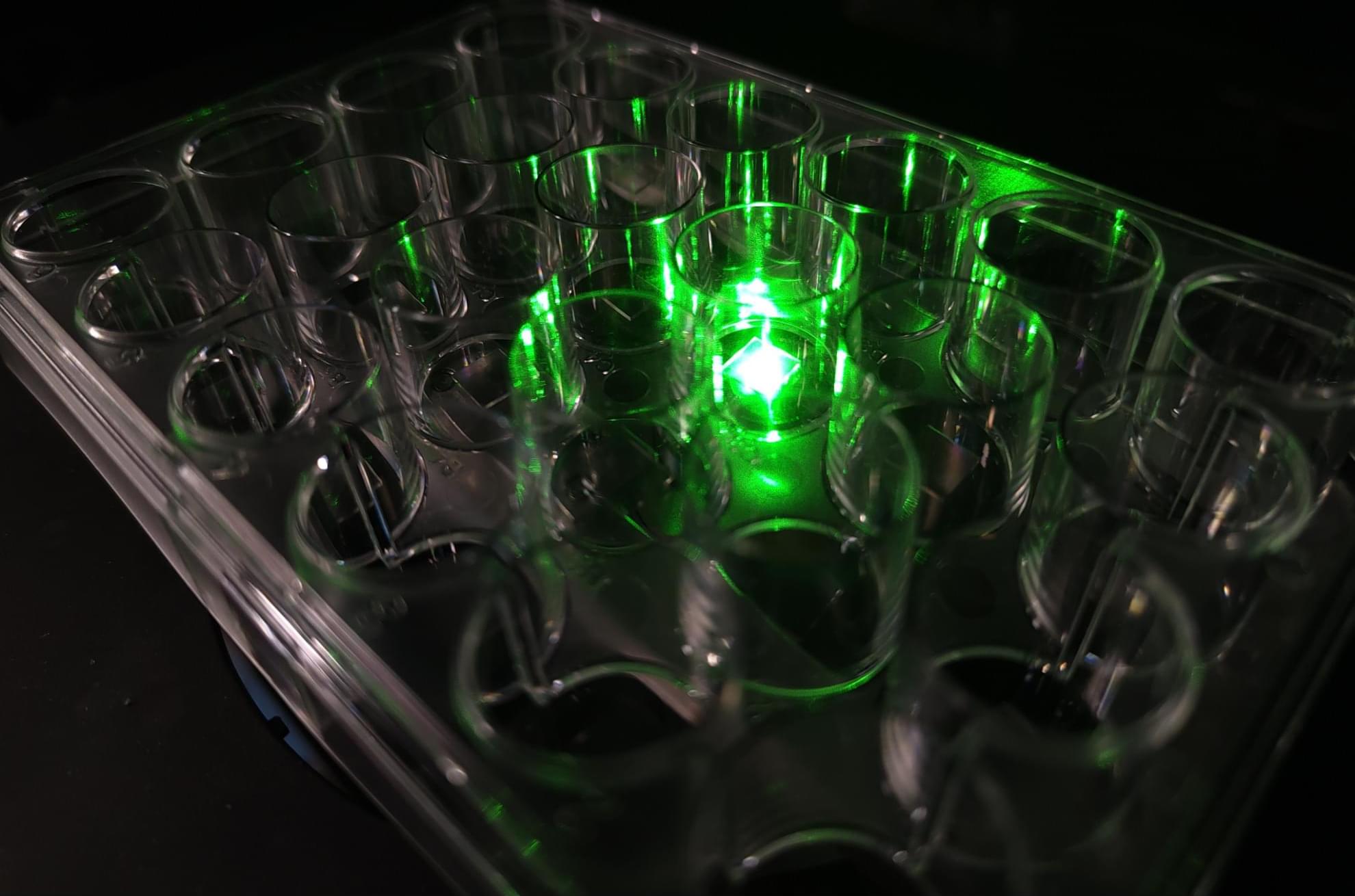
“Our system provides a pathway towards a fast, scalable tool for measuring real-time brain activity in synthetic tissue cultures that replicate human brain tissue,” Associate Professor Simpson said.

If successful, this brain-on-chip technology could help evaluate the effectiveness of treatments for neurological diseases, including Alzheimer’s, schizophrenia, epilepsy and anxiety, in the laboratory before moving into expensive and complex human trials.

‘An AlphaFold 4’ — scientists marvel at DeepMind drug spin-off’s exclusive new AI

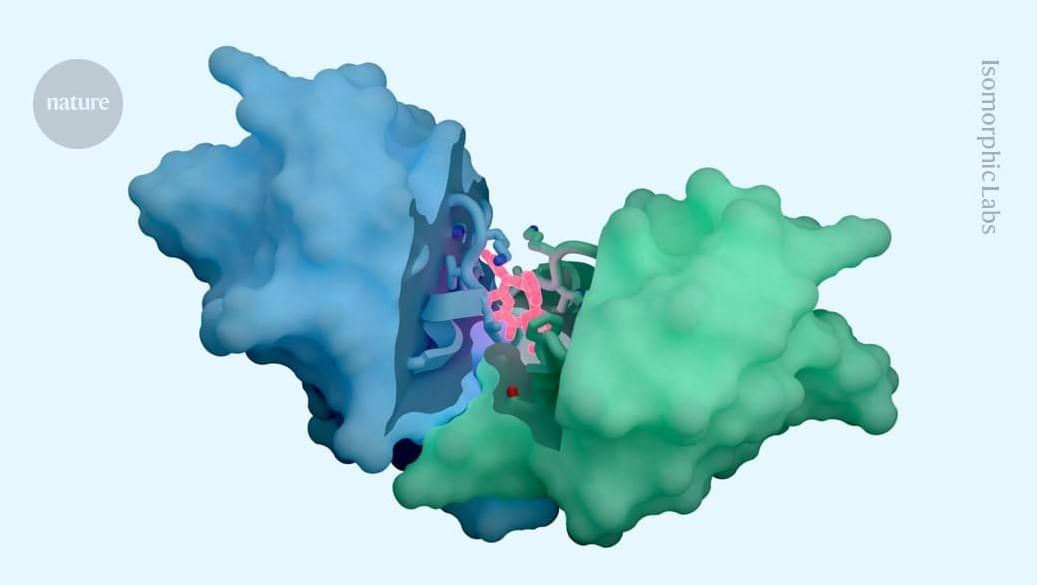
Isomorphic Labs has developed a drug-protein interaction model which surpasses the previous tech in this area. Yet the model is proprietary, so no one knows how it was designed and trained and why it works so well!


Isomorphic Lab’s proprietary drug-discovery model is a major advance, but scientists developing open-source tools are left guessing how to achieve similar results.

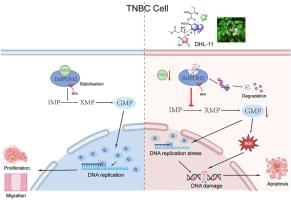
DHL-11, a novel prieurianin-type limonoid isolated from Munronia henryi, targeting IMPDH2 to inhibit triple-negative breast cancer

Breast cancer destroyed by a plant compound.


Triple-negative breast cancer (TNBC) is the most aggressive subtype of breast cancer, characterized by the poorest prognosis, and poses a significant threat to women’s health. In this study, we identified two novel prieurianin-type limonoids extracted from Munronia henryi, one of which, named DHL-11, exhibited antitumor activity against TNBC cells. DHL-11 suppressed cell proliferation and migration, induced G2/M cell cycle arrest and apoptosis, and effectively increased the accumulation of reactive oxygen species (ROS) and cellular DNA damage in TNBC cells. Mechanistically, we found that DHL-11 binds to the non-catalytic pocket of IMPDH2 and disrupts the interaction between IMPDH2 and FANCI, leading to the degradation of the IMPDH2 protein. The decrease of IMPDH2 protein reduced guanine synthesis, increased ROS levels, and induced DNA damage.

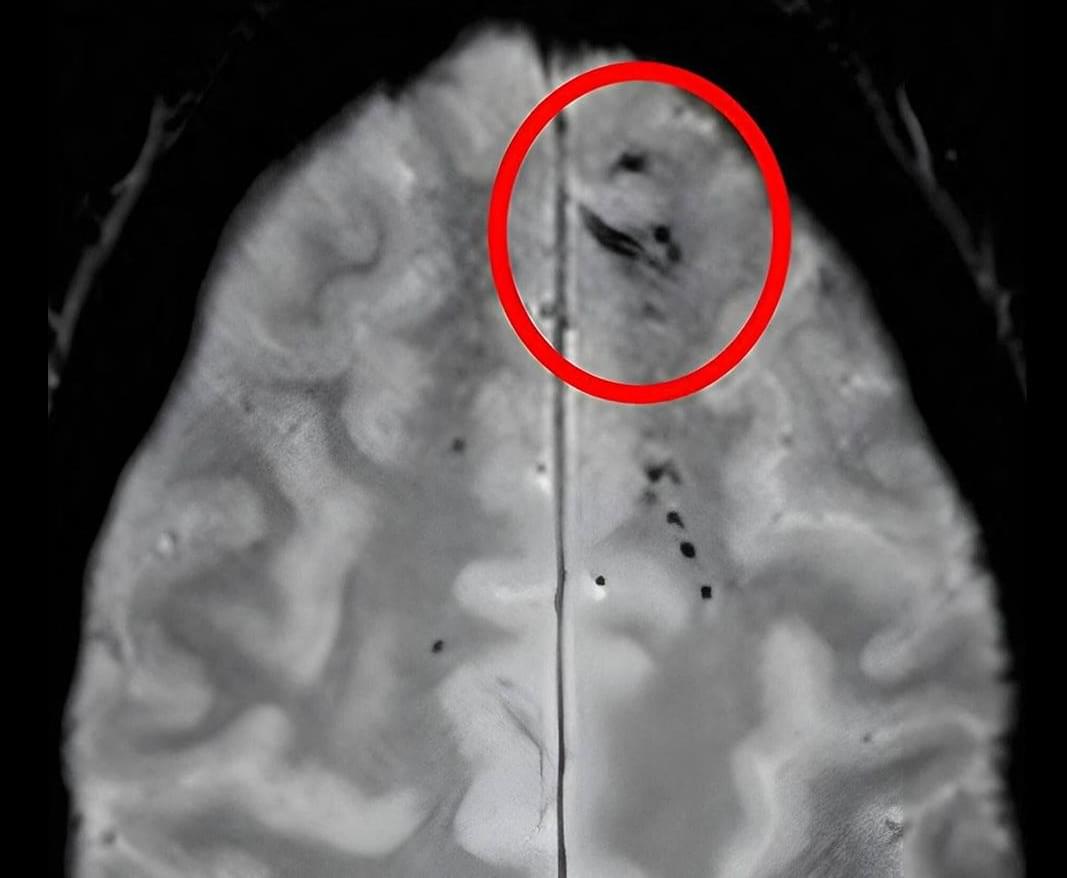
Tiny Blood Smidges in the Brain: Amount and Location Tied to Dementia

Ploidy and neuron size impact nervous system development and function in Xenopus.


Liu et al. use triploid Xenopus as a model to characterize effects of neuron size on vertebrate nervous system development and function. They report association between neuron size, cell proliferation, brain activity, and tadpole swimming behavior.

Proton therapy for colorectal cancer

SA-CME credits are available for this article here.

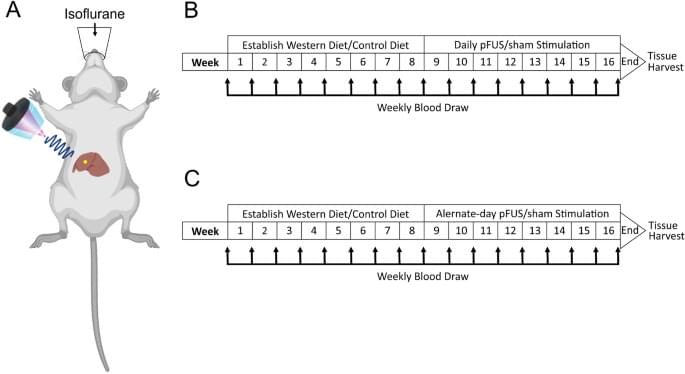
Ever since the first proton beam therapy (PBT) treatment in 1954 at University of California, Berkley, the use of PBT worldwide has rapidly increased.1 Due to the depth-dose characteristics of protons that allow for steep fall-off just distal to the tumor target, PBT can reduce unnecessary radiation dose to nearby normal tissues and allow for safer dose escalation in select clinical scenarios. Superior normal tissue avoidance can lead to reductions in acute and late toxicities, safe dose escalation can lead to improved local control, and the combination of both factors has the potential to impact overall survival (OS).

Early data have suggested that PBT led to improved clinical outcomes in the treatment of various pediatric cancers, ocular melanomas, sarcomas of the paravertebral region, and brain tumors when compared with traditional photon-based radiation.2 Historically, fewer studies evaluated the utility of PBT in the treatment of gastrointestinal (GI) malignancies; however, retrospective studies in the setting of gastroesophageal cancer and pancreatic cancer show that preoperative PBT may reduce postoperative complications and definitive PBT may improve outcomes for those with unresectable disease.3–6 Even fewer studies have evaluated the role of PBT in the primary or neoadjuvant treatment of colorectal cancer (CRC), but there have been published clinical outcomes in the treatment of recurrent disease as well as liver metastases. The aim of this review is to discuss the existing dosimetric and clinical data for PBT in the treatment of patients with CRC.
Injectable ‘satellite livers’ could offer an alternative to liver transplantation

More than 10,000 Americans who suffer from chronic liver disease are on a waitlist for a liver transplant, but there are not enough donated organs for all of those patients. Additionally, many people with liver failure aren’t eligible for a transplant if they are not healthy enough to tolerate the surgery.

To help those patients, MIT engineers have developed “mini livers” that could be injected into the body and take over the functions of the failing liver.

In a new study in mice, the researchers showed that these injected liver cells could remain viable in the body for at least two months, and they were able to generate many of the enzymes and other proteins that the liver produces.

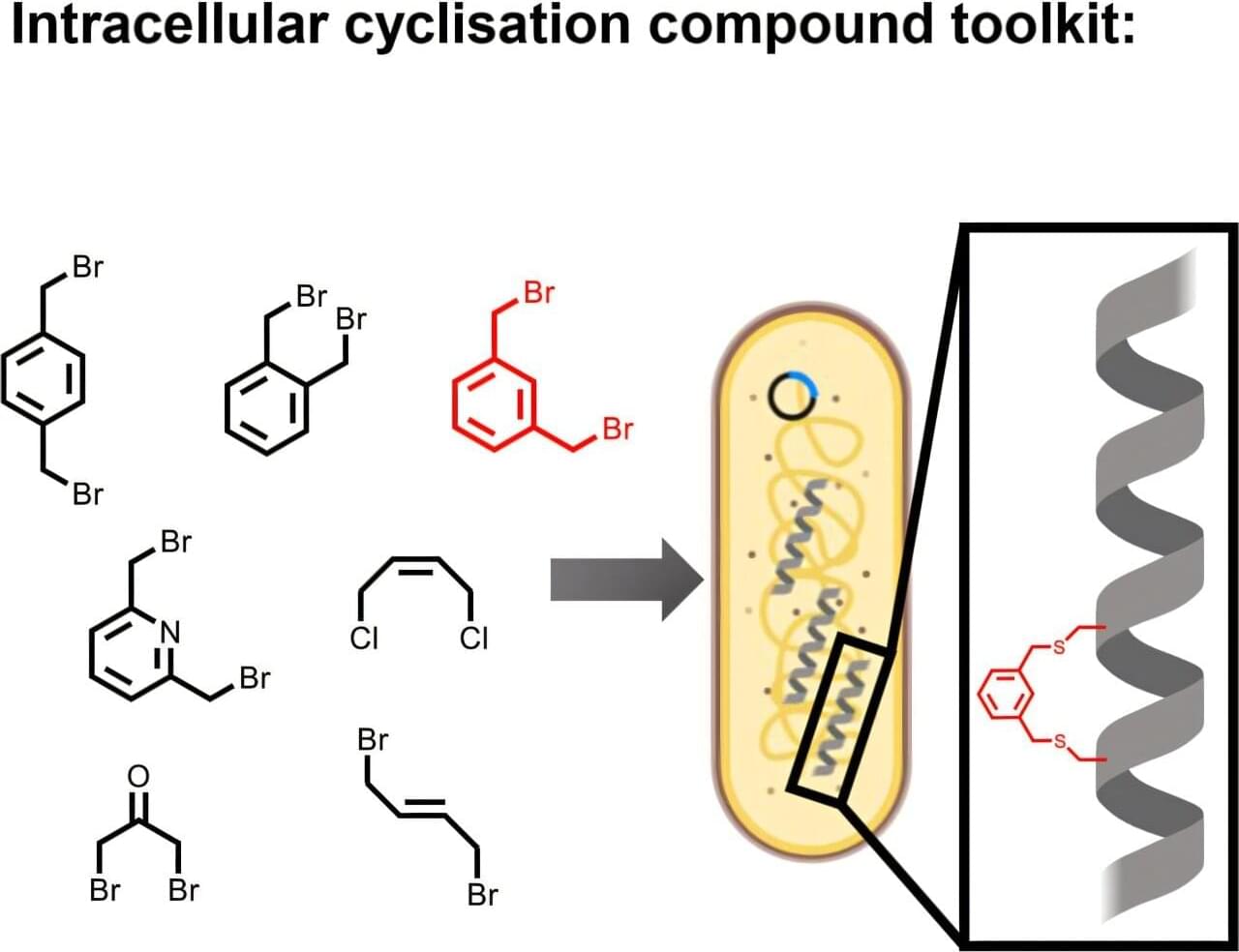
Chemically ‘stapled’ peptides used to target difficult-to-treat cancers

Researchers at the University of Bath have developed a new technology that uses bacteria to build, chemically stabilize, and test millions of potential drug molecules inside living cells, making it much quicker and easier to discover new treatments for difficult-to-treat cancers.

Scientists based at the University’s Department of Life Sciences are investigating peptides—short chains of amino acids, the building blocks of proteins—as potential drugs for a family of notoriously “undruggable” cancer drivers known as transcription factors. These proteins act as master switches that control gene activity and are frequently overactive in cancer.

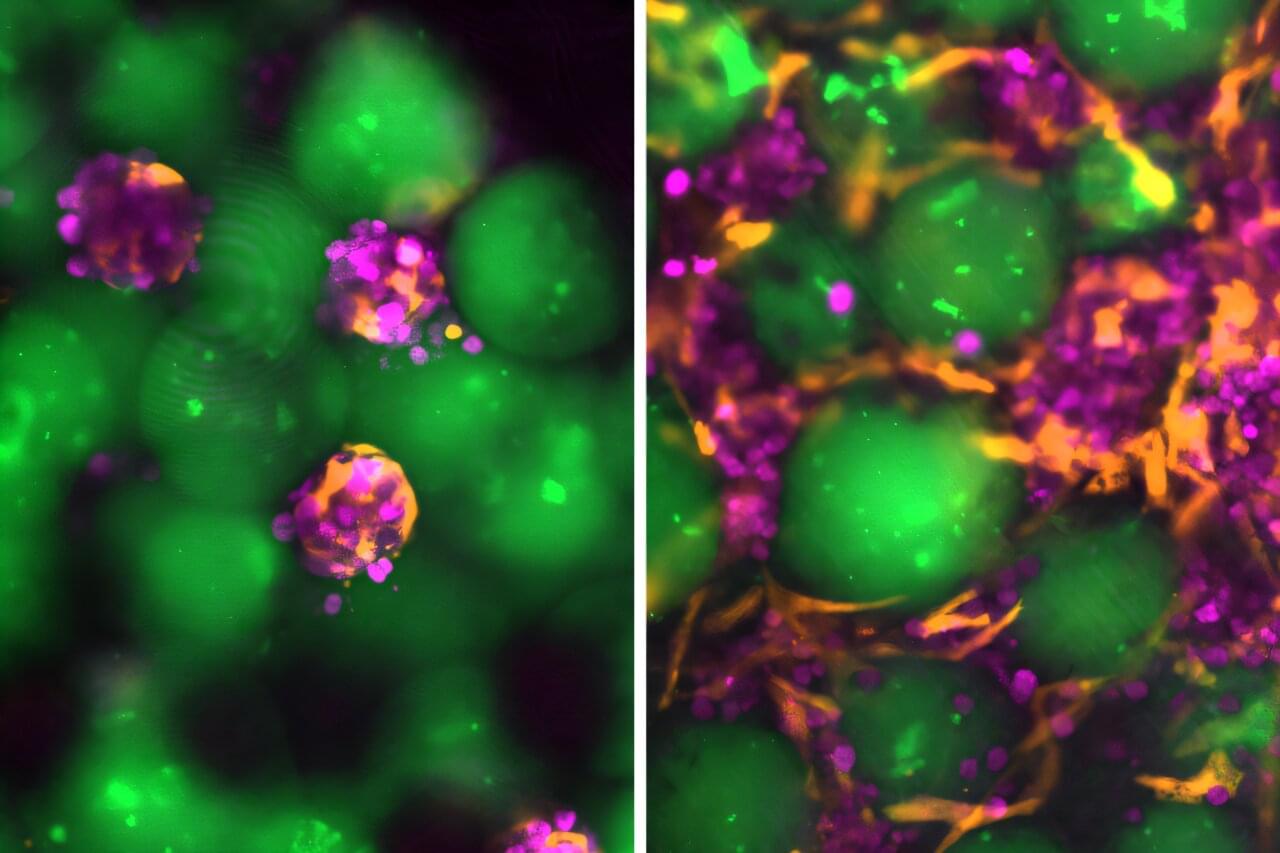
Swarming, spinning microrobots can manipulate their surroundings

E pluribus unum – “out of many, one” – is not only a motto for the United States. It’s a good credo for microrobots.

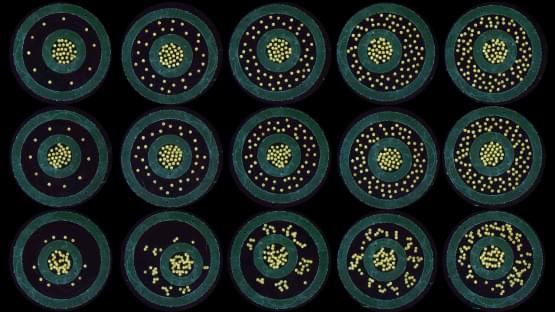
A research collaboration between Cornell and the Max Planck Institute for Intelligent Systems has shown how a swarm of microrobots spinning on a water surface can together generate the fluidic torque needed to manipulate passive structures without any physical contact.

This collective behavior was demonstrated to operate gears and move objects, with the aim of eventually performing microscale tasks and biomedical procedures.

/* */