Toggle light / dark theme

Phagocyte NADPH Oxidase NOX2-Derived Reactive Oxygen Species in Antimicrobial Defense: Mechanisms, Regulation, and Therapeutic Potential—A Narrative Review

ROS derived from NADPH oxidase, particularly NOX2, are central to antimicrobial defense, coupling direct pathogen killing with redox signaling that shapes inflammation. This narrative review integrates recent advances on NOX2 structure, assembly, and spatiotemporal control in phagocytes, and outlines how ROS interact with NF-κB, MAPK, and Nrf2 networks to coordinate microbicidal activity and immune modulation. We summarize evidence that both ROS deficiency, as in chronic granulomatous disease, and uncontrolled excess, as in sepsis and severe COVID-19, drive clinically significant pathology, emphasizing the need for precise redox balance.

Persistent Hemiplegic Migraine in a Child With CACNA1A Sequence Variation and New-Onset Cerebellar Atrophy: A Pediatric Stroke Mimic

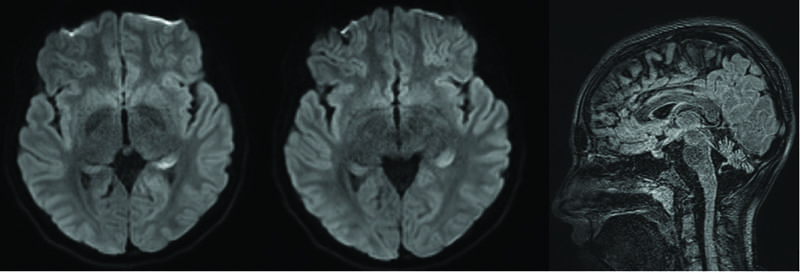
Imaging results also demonstrated marked cerebellar atrophy, which is a recognized feature of CACNA1A-related disorders.13 Although the timing and progression of this abnormality are uncertain because UL last underwent brain imaging in infancy, the need for structured evaluation throughout development is clear. We also noted asymmetric fluid-attenuated inversion recovery signal in the left mesial temporal lobe, which was believed to be most consistent with postictal edema given the known overlap between CACNA1A channelopathies and seizure susceptibility.

This case highlights the diagnostic uncertainty of CACNA1A-related hemiplegic migraine and emphasizes the need for early exclusion of stroke and seizure, in addition to timely escalation of preventive therapy when symptoms persist beyond their typical timeframes. The clinical response to an increased acetazolamide dose, initiation of verapamil, and corticosteroids for cerebral edema provides additional support for current recommendations in a field where high-quality evidence remains limited.

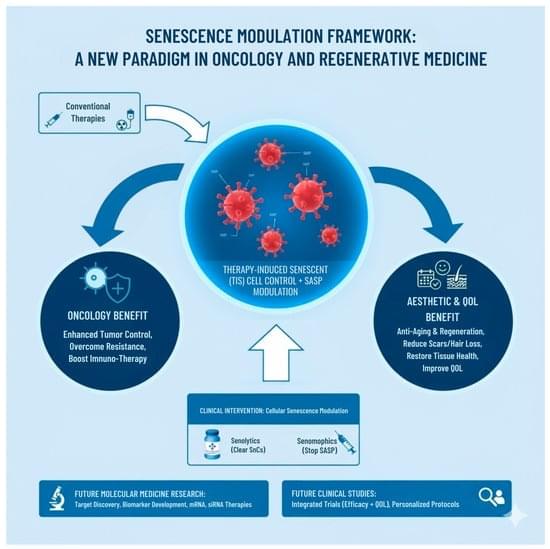
Senescence Modulation: An Applied Science Review of Strategies in Anti-Aging, Regenerative Aesthetics, and Oncology Therapy

Cellular senescence is an irreversible cell cycle arrest, triggered by stressors like telomere shortening, DNA damage, and oncogenic signaling.

MRI antenna can boost image quality and shorten scan times—without changing existing machines

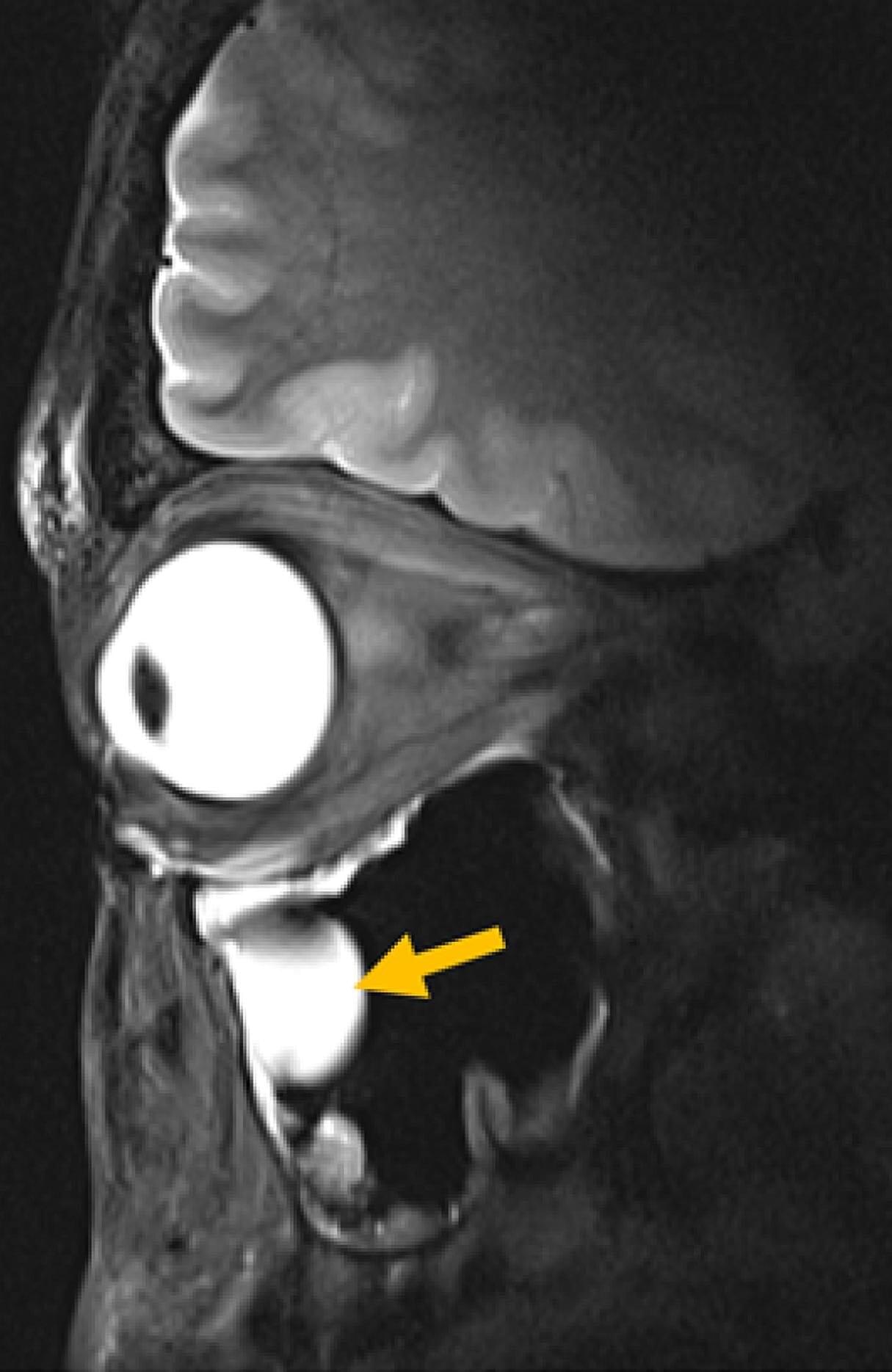
Magnetic resonance imaging (MRI) is one of medicine’s most powerful diagnostic tools. But certain tissues deep inside the body—including brain regions and delicate structures of the eye and orbit that are of particular relevance for ophthalmology—are difficult to image clearly. The problem is not the scanner itself, but the hardware that sends and receives radio signals.

Now, researchers led by Nandita Saha, a doctoral student in the Experimental Ultrahigh Field Magnetic Resonance lab of Professor Thoralf Niendorf at the Max Delbrück Center have developed an advanced materials-based MRI antenna that overcomes these limitations—delivering enhanced images more quickly and that can be used in existing MRI machines. The research was published in Advanced Materials.

Niendorf and his team worked closely with researchers at Rostock University Medical Center, combining expertise in MRI physics with clinical ophthalmology and translational imaging. The Rostock team is also supporting clinical validation of the technology.

Relationship Between Hematoma Location and Underlying Small Vessel Disease in Cerebellar Intracerebral Hemorrhage

Background and ObjectivesIn supratentorial intracerebral hemorrhage (ICH), hematoma location serves as a useful proxy for the underlying cerebral small vessel disease (cSVD) subtype, especially in the context of the Boston criteria. Whether this framework…

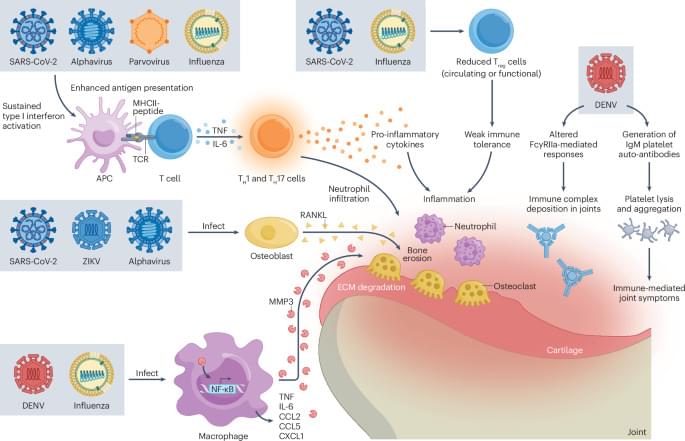
Emerging and underrecognized viral triggers of autoimmune inflammatory rheumatic disease flares

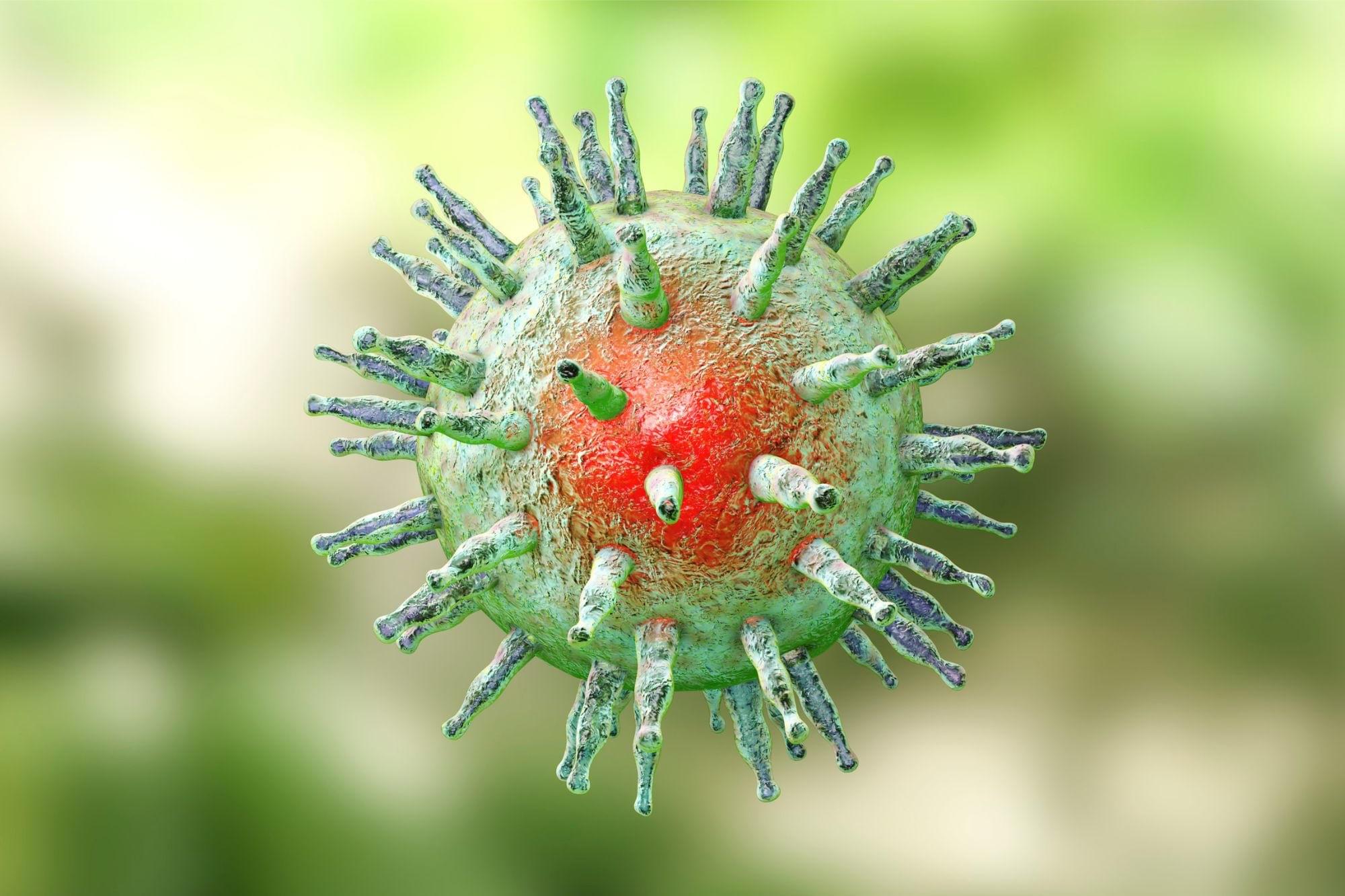
In this Review, the authors summarize the potential role of emerging viruses in autoimmune rheumatic diseases (AIRDs). They describe the association between viruses and AIRD flare ups, the putative mechanisms linking AIRD to viral infections and hormone modulation of viral pathogenesis and autoimmune diseases.

Plant-Derived THC Extracts Ease Fibromyalgia Pain

Plant-derived THC extracts significantly reduced fibromyalgia pain in patients resistant to standard treatments. [ https://www.labroots.com/trending/cannabis-sciences/30219/pl…gia-pain-2](https://www.labroots.com/trending/cannabis-sciences/30219/pl…gia-pain-2)


How can cannabis oil help alleviate fibromyalgia pain? This is what a recent study published in the Journal of Anesthesia, Analgesia, and Critical Care hopes to address as a team of researchers from Italy investigated the benefits of using tetrahydrocannabinol (THC)-based medicine options, specifically cannabis oil, for treating fibromyalgia pain. This study has the potential to help researchers, medical professionals, legislators, and the public better understand the benefits of using cannabis products for treating chronic diseases over prescriptions medications, and the steps that can be taken to implement them.

For the study, the researchers analyzed data obtained from 65 adult patients comprised of 59 women and 6 men diagnosed with fibromyalgia for a minimum of 7 years and were treated with cannabis oil therapy with a concentration of 15 percent from 2021 to 2023. The goal of the study was to ascertain the effectiveness of cannabis oil on mitigating fibromyalgia pain compared to traditional methods, specifically prescription medication. In the end, the researchers found that not only did the patients report decreased fibromyalgia pain during cannabis oil therapy, but this pain reduction was greater with younger patients.

The study notes, “While these observations should not be interpreted as evidence of effectiveness, they contribute real-world insights into tolerability and adherence in routine care. We hope they may help inform future prospective research aimed at better defining the role of cannabis oil in fibromyalgia management.”

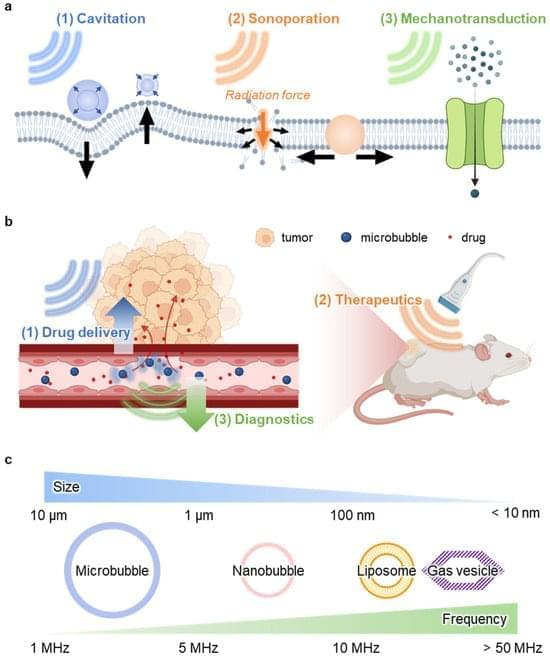
Ultrasound-Mediated Membrane Modulation for Biomedical Applications

Deep tissue drug delivery is restricted by biological barriers. Ultrasound modulation offers a non-invasive solution using nanobubbles.

Read the Editor’s Choice article: mdpi.com/3348542


The cell membrane plays a critical role in regulating substance exchange, signal transduction, and energy conversion, making it essential for maintaining homeostasis and responding to environmental stimuli.

/* */