A dual-action nanomaterial uses cancer’s own chemistry to destroy tumors while leaving healthy cells unharmed.
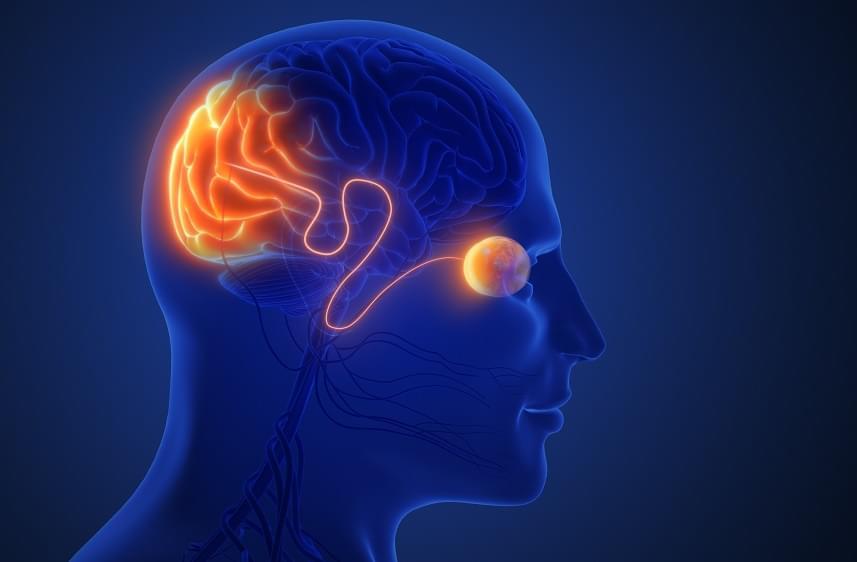
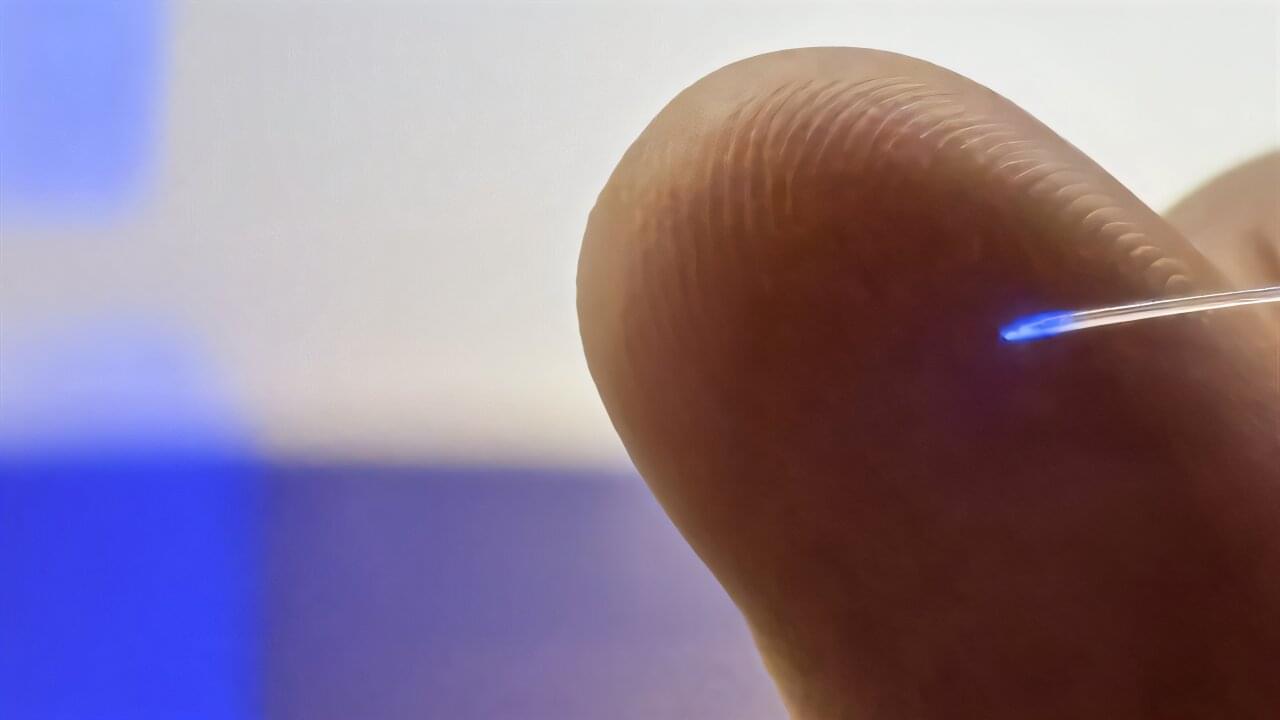
A new type of brain implant may have implications for both brain research and future treatments of neurological diseases such as epilepsy. Researchers from DTU, the University of Copenhagen, University College London, and other institutions have developed a long, needle-thin brain electrode with channels—a so-called microfluidic Axialtrode (mAxialtrode), named for its ability to distribute functional interfaces along the length of the implant, enabling both neural signal recording and precisely targeted medication delivery across different brain regions. The research results have been published in Advanced Science.
The technology has primarily been developed for basic research into the brain. It can help researchers better understand how signals move across brain layers, for example in epilepsy, memory, or decision-making. In the longer term, the researchers point out that the mAxialtrode may be important for treatment—for example, in targeted drug delivery combined with electrical or light-based stimulation of specific areas of the brain.
Postdoc Kunyang Sui, who led the development of the mAxialtrode concept together with Associate Professor Christos Markos, emphasizes that it has made it possible to combine several functions in a single implant which makes brain research less invasive and more precise.
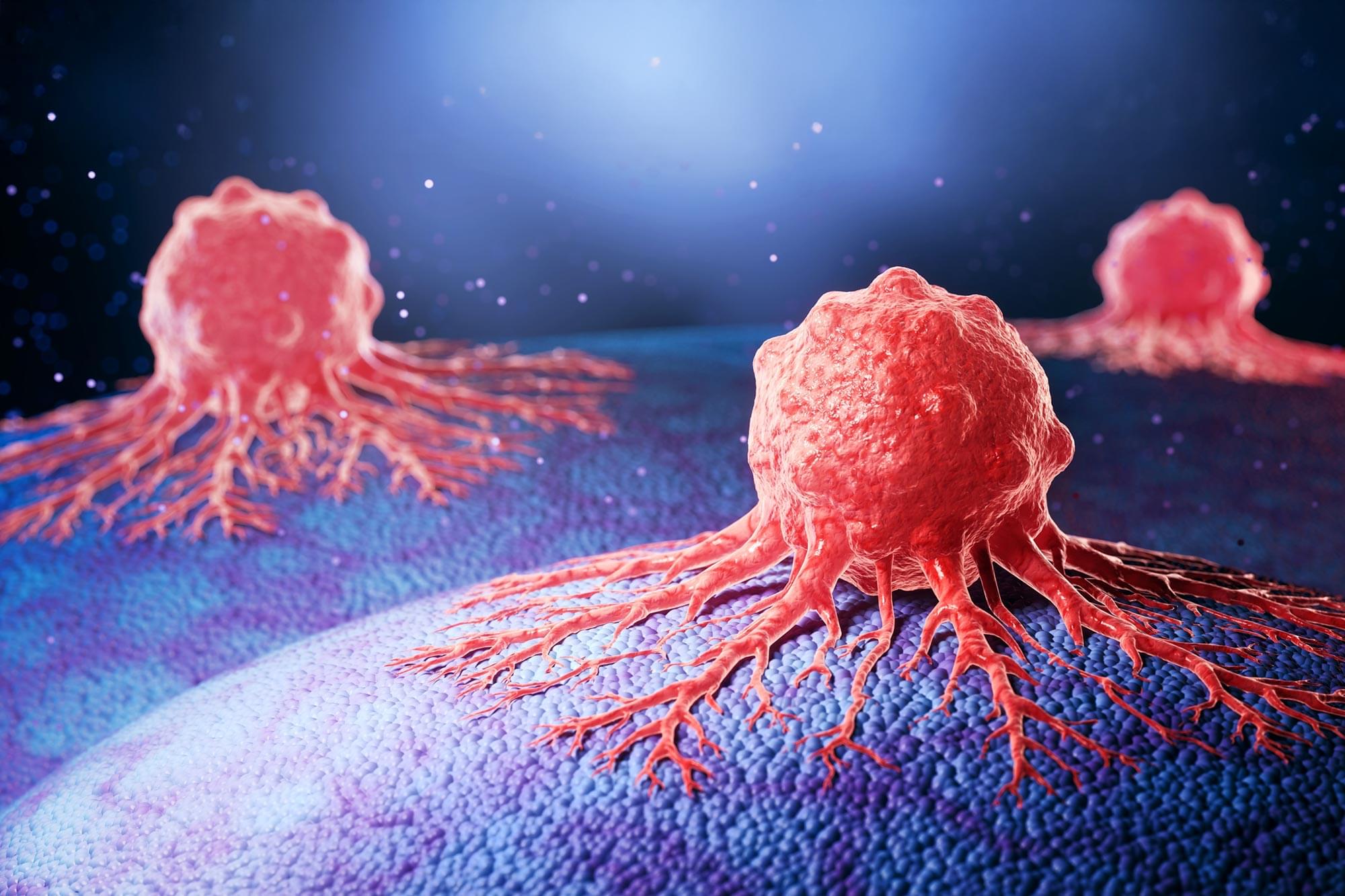
Scientists at Rutgers University–Newark have developed a first-of-its-kind RNA-based nanotechnology that assembles itself inside living human cells and can be programmed to stop propagation of harmful cells. The findings, recently published in Nature Communications, represent a major breakthrough in biomedical research. The researchers are now in the midst of testing the technology on human cancer cells as a potential cure for the disease but have not yet finished the study or published results.
This nanostructure technology, which was tested in human cell cultures, can be used as a molecular tool for biomedical research and therapeutics. Because it can be customized, it has the versatility to target multiple detrimental genes and proteins simultaneously.
The work was led by Professor Fei Zhang of the Rutgers-Newark Department of Chemistry and Professor Jean-Pierre Etchegaray of the Department of Biological Sciences at Rutgers-Newark, along with an interdisciplinary team of researchers.
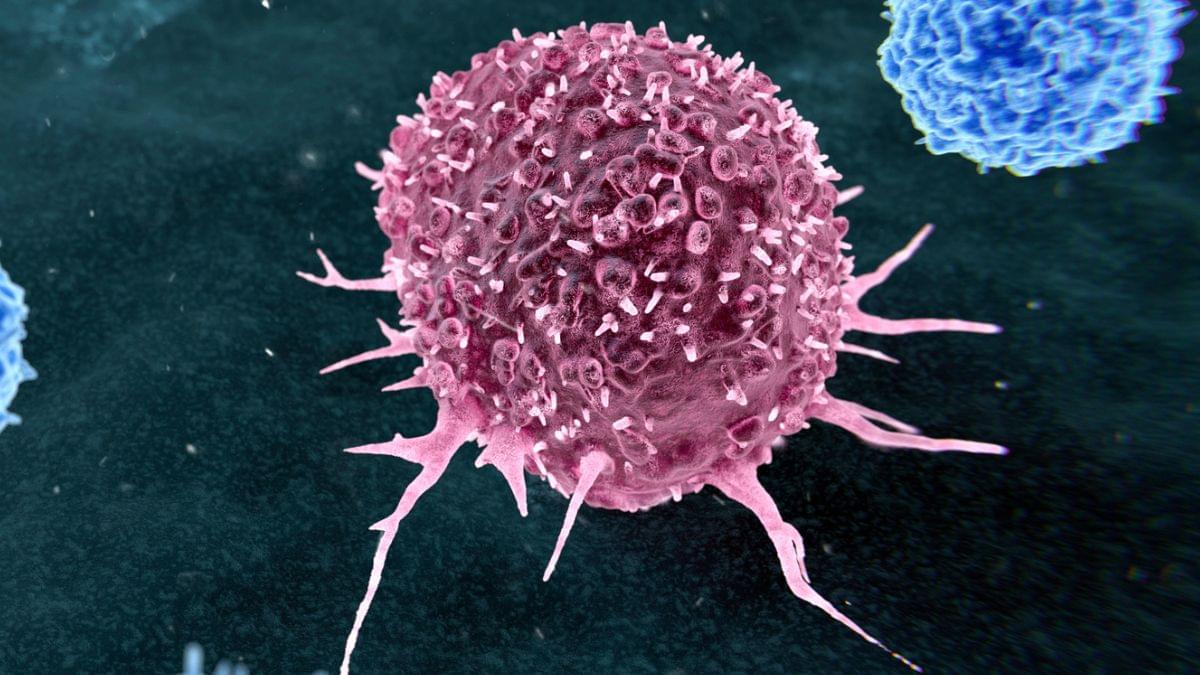
A new analysis identified several ways that we can reduce the odds of cancer occurring.
It’s easy to feel powerless against cancer, but a new study has identified several ways that we can reduce the odds of it occurring.
According to new analysis from the World Health Organization (WHO), more than a third of all cancer cases globally are preventable.
Lung, stomach, and cervical cancers make up nearly half of those cases.
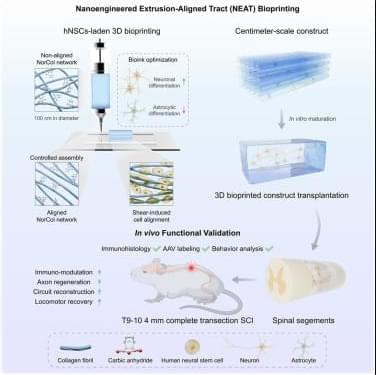
Gu et al. present NEAT, a nanoengineered extrusion-aligned tract bioprinting strategy that fabricates aligned, human neural stem cell-laden collagen hydrogel constructs through shear-induced fibrillar organization. In a rat model of complete spinal cord transection, NEAT enables axonal reconnection and functional locomotor recovery, demonstrating its translational potential for spinal cord repair and neural tissue engineering.

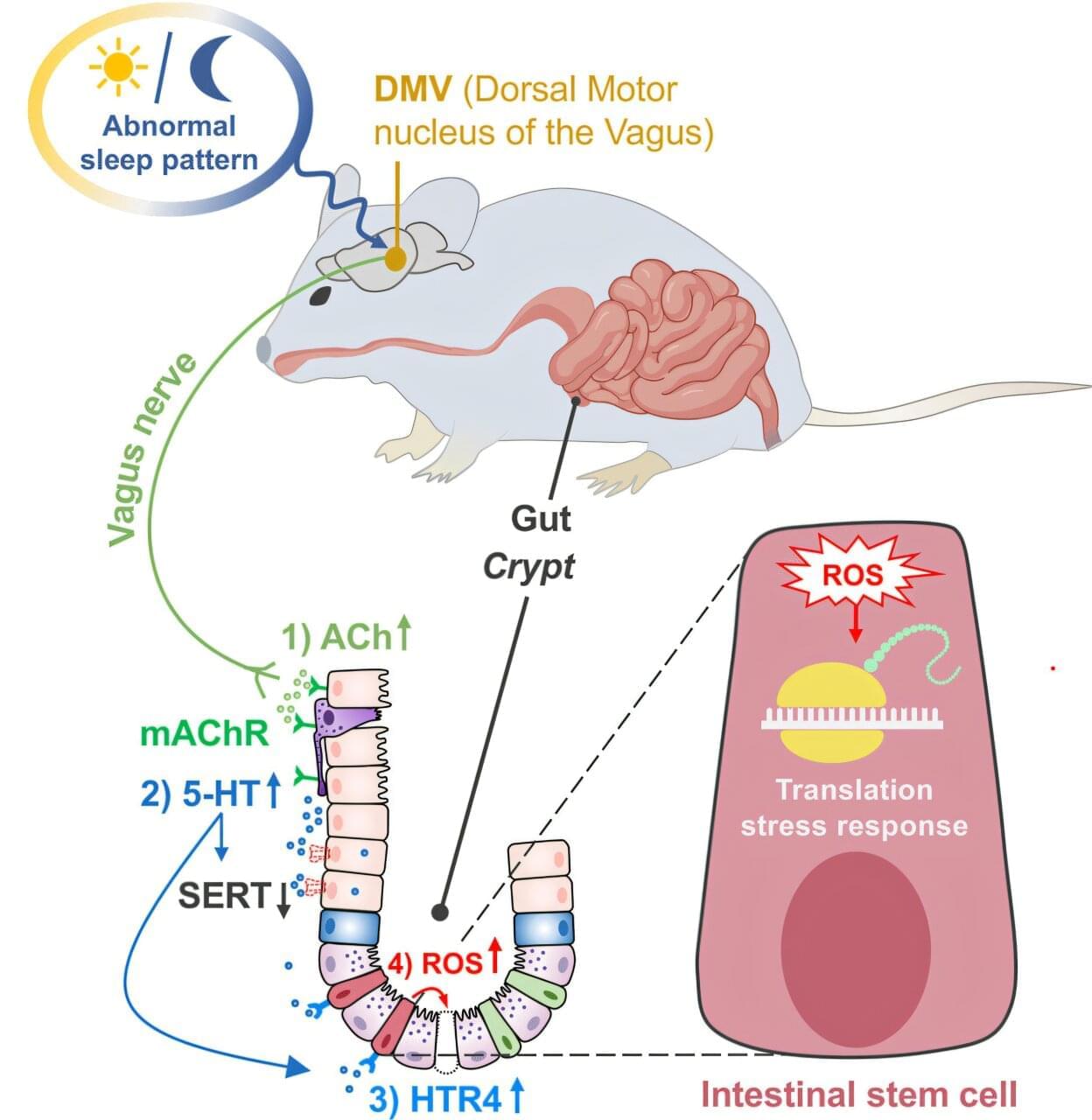
Chronic sleep disruption doesn’t just leave people tired and irritable. It may quietly undermine the gut’s ability to repair itself, increasing vulnerability to serious digestive diseases. A new study from the University of California, Irvine, the University of Chinese Academy of Sciences and the China Agricultural University reveals, step by step, how disturbed sleep causes the brain to send harmful signals to the intestines, ultimately damaging the stem cells responsible for maintaining a healthy gut lining.
The research uncovers a previously unknown biological chain reaction linking the brain’s sleep center to intestinal health. The findings are published in Cell Stem Cell and offer new insight into why people with chronic sleep problems are more likely to develop gastrointestinal disorders such as inflammatory bowel disease, diabetes-related gut complications and chronic inflammation.
Physicians have long known that irregular or insufficient sleep is associated with a wide range of health problems, from mood disorders to high blood pressure. Yet how changes in sleep can directly harm organs that do not sleep themselves, such as the intestines, has remained largely elusive. This study answers that question by tracing the damage from its neurological origins all the way to the gut’s regenerative machinery.
All life on Earth shares a common ancestor that lived roughly four billion years ago. This so-called “last universal common ancestor” (LUCA) represents the most ancient organism that researchers can study. Previous research on the last universal common ancestor has found that all the characteristics we see in organisms today, like having a cell membrane and a DNA genome, were already present by the time of this ancestor. So, if we want to understand how these foundational characteristics of life first emerged, then we need to be able to study evolutionary history prior to the last universal common ancestor.
In an article published in the journal Cell Genomics, scientists Aaron Goldman (Oberlin College), Greg Fournier (MIT), and Betül Kaçar (University of Wisconsin‑Madison) describe a method to do just that.
“While the last universal common ancestor is the most ancient organism we can study with evolutionary methods,” said Goldman, “some of the genes in its genome were much older.” The authors describe a type of gene family known as a “universal paralog,” which provides evidence of evolutionary events that occurred before the last universal common ancestor.