With an investment of AU$1 billion, PsiQuantum is planning to build a photonic quantum computer with a million qubits, far larger than any in existence today — and the firm says it will be ready in just two years.
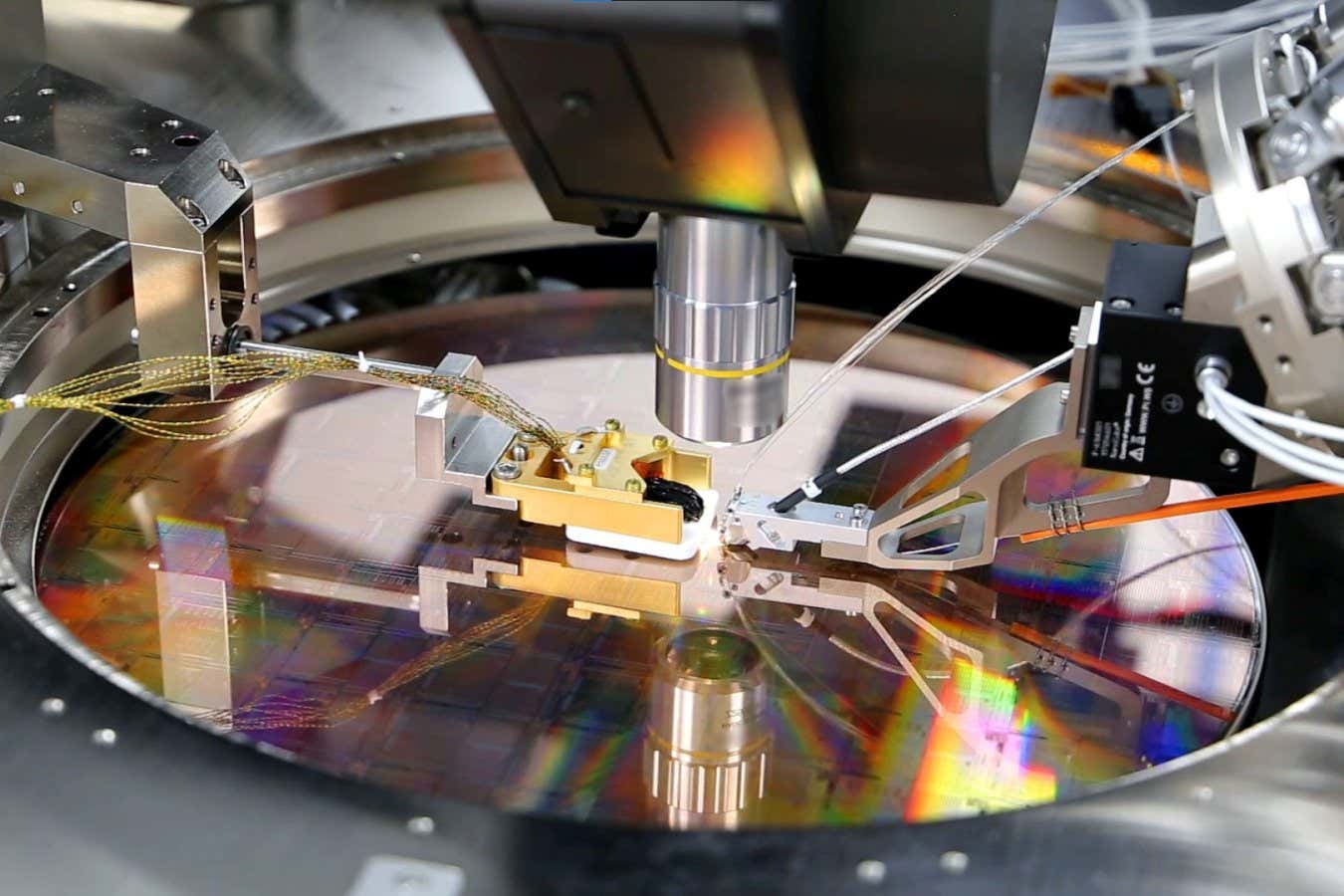
With an investment of AU$1 billion, PsiQuantum is planning to build a photonic quantum computer with a million qubits, far larger than any in existence today — and the firm says it will be ready in just two years.
Qubits—the building blocks of quantum computing—are driving advancements across the tech industry. Among them, superconducting qubits hold great promise for large-scale quantum computers. However, they rely on electrical signals, making them challenging to scale.
In a breakthrough, physicists at the Institute of Science and Technology Austria (ISTA) have successfully developed a fully optical readout for superconducting qubits, overcoming a key technological hurdle. Their findings, recently published in Nature Physics.
<em>Nature Physics</em> is a prestigious, peer-reviewed scientific journal that publishes high-quality research across all areas of physics. Launched in 2005, it is part of the Nature family of journals, known for their significant impact on the scientific community. The journal covers a wide range of topics, including fundamental physics, applied physics, and interdisciplinary research that bridges physics with other scientific disciplines. Nature Physics aims to highlight the most impactful and cutting-edge research in the field, providing insights into theoretical, experimental, and applied physics. The journal also features reviews, news, and commentary on major advances and issues affecting the physics community.

Hundreds of quantum computing firms around the world are racing to commercialise these once-exotic devices, but the jury is still out on who is going to pull ahead and produce a machine that actually does something useful.
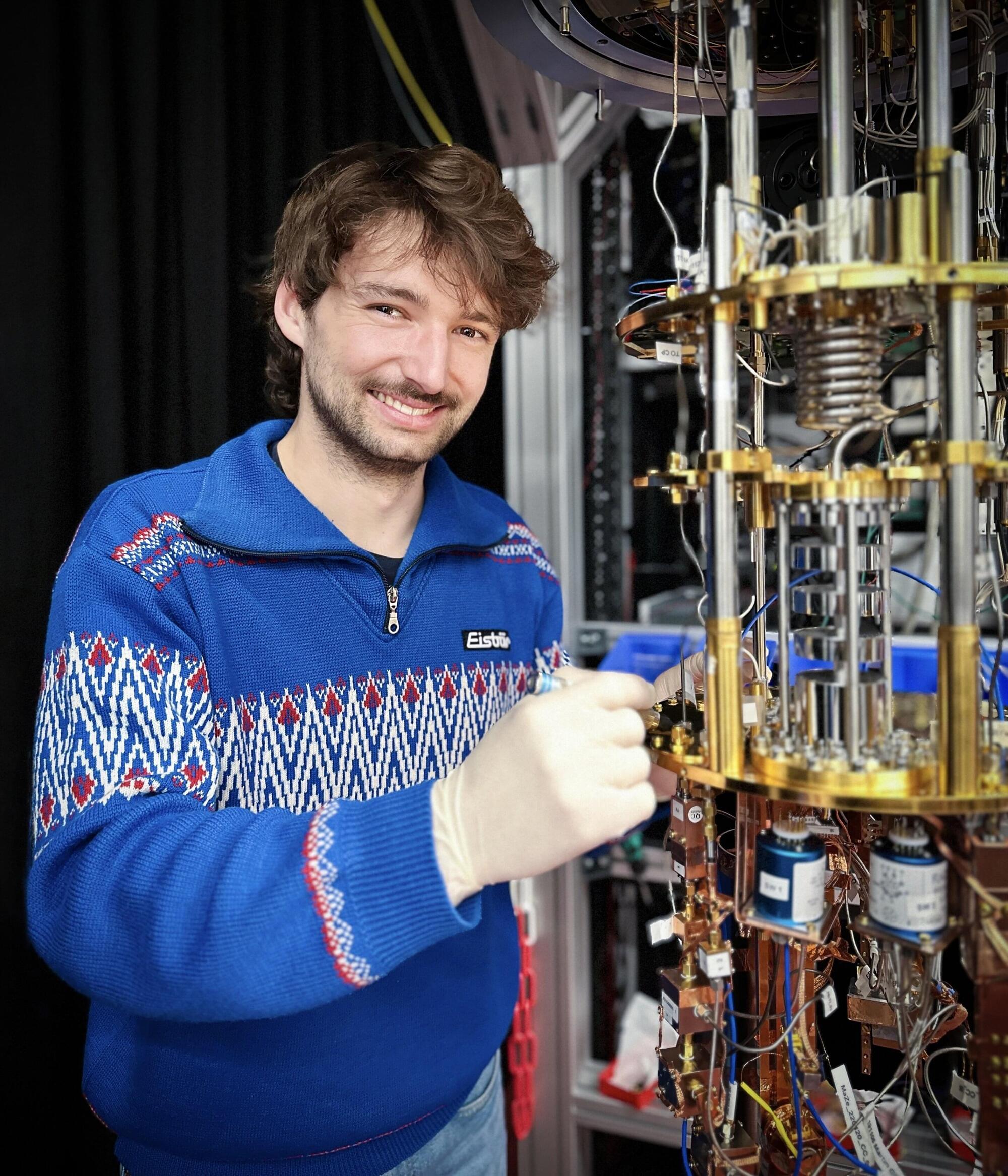
Qubits—the fundamental units of quantum information—drive entire tech sectors. Among them, superconducting qubits could be instrumental in building a large-scale quantum computer, but they rely on electrical signals and are difficult to scale.
In a breakthrough, a team of physicists at the Institute of Science and Technology Austria (ISTA) has achieved a fully optical readout of superconducting qubits, pushing the technology beyond its current limitations. Their findings are published in Nature Physics.
Following a year-long rally, quantum computing stocks were brought to a standstill barely a few days into the International Year of Quantum Science and Technology. The reason for this sudden setback was Nvidia CEO Jensen Huang’s keynote at the CES 2025 tech trade show, where he predicted that “very useful quantum computers” were still two decades down the road.

This hybrid system allows precise manipulation of quantum states while naturally modeling real-world physics, enabling breakthroughs in fields like magnetism, superconductors, and even astrophysics.
Breakthrough in Quantum Simulation
Physicists working in Google’s laboratory have developed a new type of digital-analog quantum simulator, capable of studying complex physical processes with unprecedented precision and adaptability. Two researchers from PSI’s Center for Scientific Computing, Theory, and Data played a crucial role in this breakthrough.
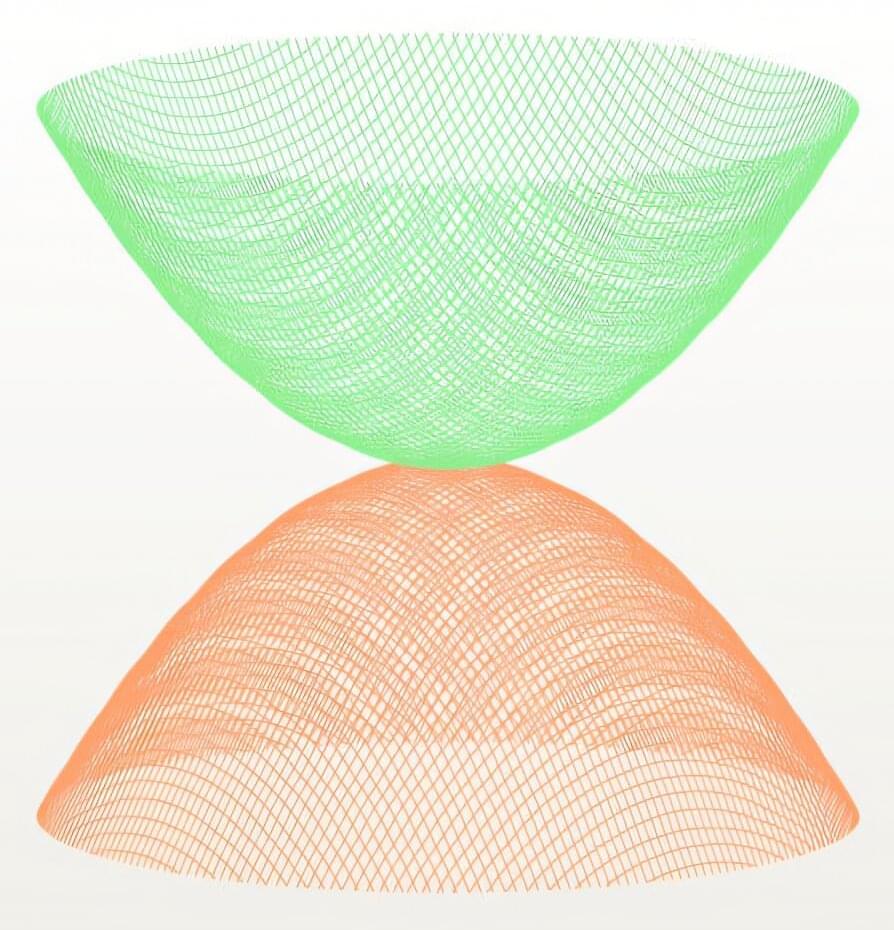
Exotic superconducting states could exist in a wider range of materials than previously thought, according to a theoretical study by two RIKEN researchers published in Physical Review B.
Superconductors conduct electricity without any resistance when cooled below a critical temperature that is specific to the superconducting material. They are broadly classified into two types: conventional superconductors whose superconducting mechanism is well understood, and unconventional superconductors whose mechanism has yet to be fully determined.
Superconductors have intrigued scientists since their first experimental demonstration at the beginning of the 20th century. This is not just because they have numerous applications, including great promise for quantum computing, but also because superconductors host a rich range of fundamental physics that has allowed physicists to gain a deeper understanding of material science.

The simulation hypothesis suggests that our entire universe and reality could just be hyper-enhanced reality illusions.
He believes recent developments in the field of information physics ‘appear to support this possibility’ in that the physical world is made up of bits of information.
Vopson goes even further by claiming that information might have physical weight and could be a key part of the universe.

Before joining MPFI, Wang was a research scientist at the Janelia Research Campus of Howard Hughes Medical Institute, working with Dr. Jeffery Magee and previously with Dr. Eva Pastalkova. At Janelia, she studied the hippocampal neuronal activities that represent memory traces. In particular, she employed memory tasks that can reversibly toggle the influence of sensory inputs on and off and isolated neuronal activities associated with internally stored memory.
Wang was trained as an electrical engineer. She completed her graduate study under the mentorship of Drs. Shih-Chii Liu, Tobi Delbruck and Rodney Douglas at the Swiss Federal Institute of Technology Zurich (ETHZ). During her Ph.D. training, she designed brain-inspired computational systems on silicon chips. These fully reconfigurable systems incorporated electronic circuits of a network of neurons with dendrites and synapses. Using these systems as simulation tools, she also investigated the computational principles native to a neuron with active dendrites.

Researchers at Tel Aviv University have developed a groundbreaking method to transform graphite into materials with electronic memory capabilities.
By manipulating atomic layers, they could revolutionize computing and electronic devices, potentially surpassing the value of diamonds and gold.
Transforming elements: from alchemy to advanced materials.
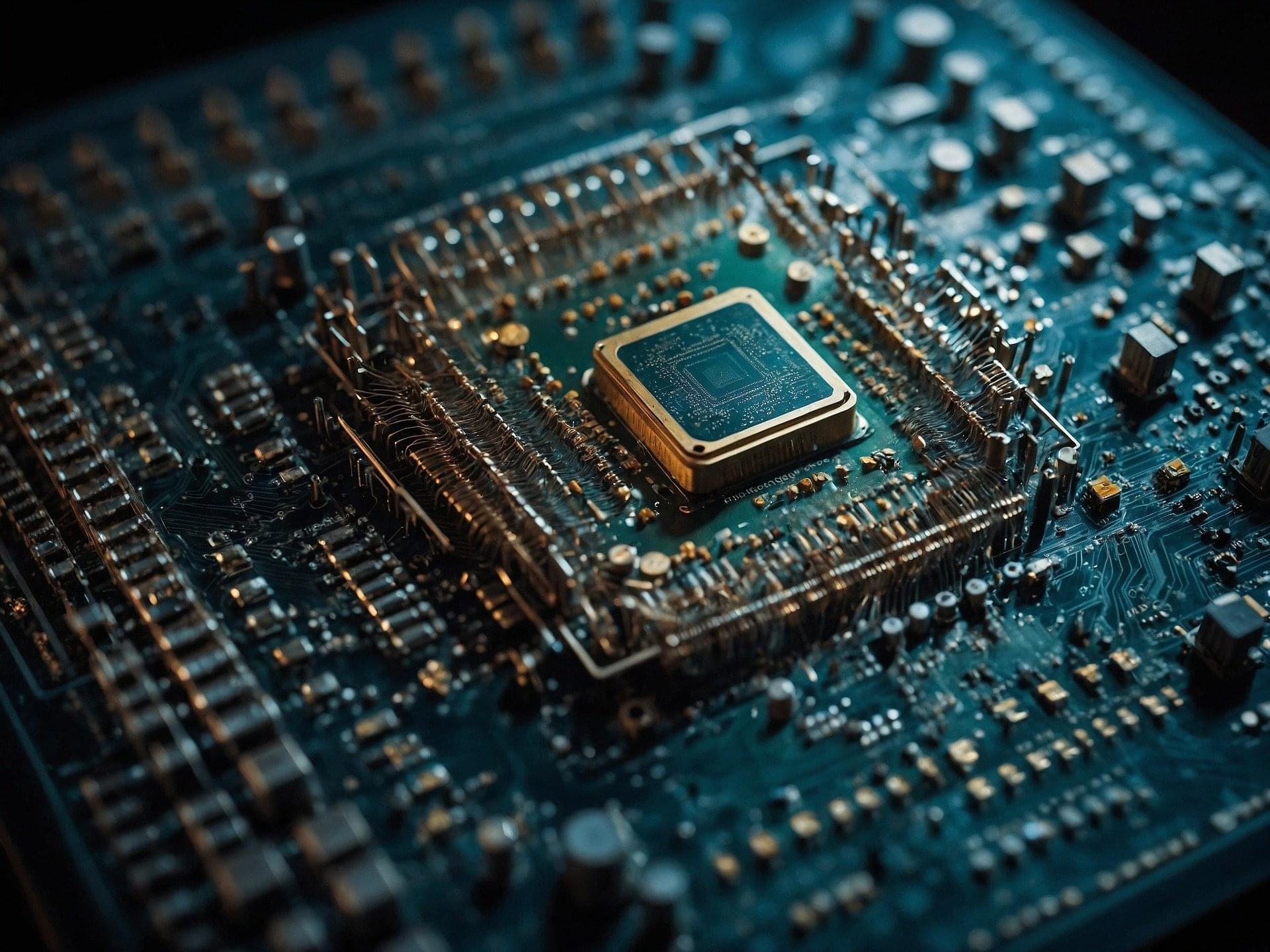
The rapid technological advancements of our world have been enabled by our capacity to design and fabricate ever smaller electronic chips. These underpin computers, mobile phones and every smart device deployed to date.
One of the many challenges is that electronic components generate increasingly more heat as they are miniaturized. A significant issue lies in making the wires which connect the transistors on the chip thinner while ensuring that the minimum amount of heat is released.
These interconnects are typically made from copper, and as we start to scale them down to nano-scale thicknesses, their electrical resistance increases rapidly because the electrons moving along the wires have a higher probability of colliding into the surface of the wire. Known as scattering, this leads to energy being released in the form of waste heat, meaning you need more power to maintain the same level of performance.