Theoretically, workers have been on the fast track to obsolescence since the Luddites took sledgehammers to industrial looms in the early 1800s.
In 1790, 90 percent of all Americans made their living as farmers; today it’s less than 2 percent. Did those jobs disappear? Not exactly. The agrarian economy morphed, first into the industrial economy, next into the service economy, now into the information economy.
Automation produces job substitution far more than it does job obliteration. And even when automation takes hold of a range of professional roles, this doesn’t always create the dire results we expect.
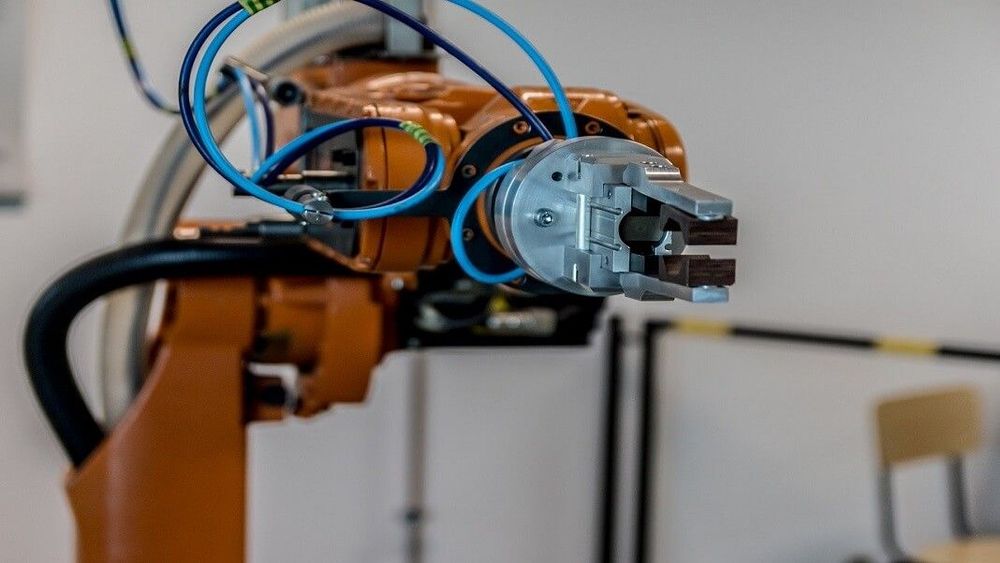
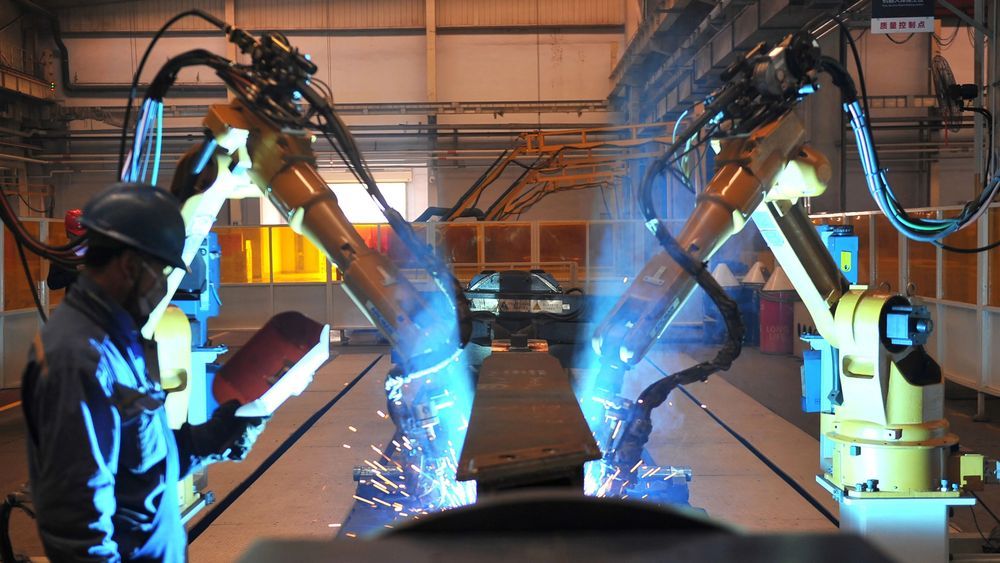
While robotics and automation create a plethora of opportunities for skilled labor, they substitute many jobs of unskilled labor. Philips’ automated shaver factory in the Netherlands employs one-tenth of the workforce of its factory in China that makes the same shavers. Such developments accentuate inequality and pose severe social pressure in developed countries, which would need to be addressed by government in the years to come.
Technology can complement humans but it can also eliminate their jobs.
This chapter appears concurrently in Age of Robots and includes content and quotes garnered from interviews with James J. Hughes, Jerome Glenn, Ian Pearson, Richard Yonck, John C. Havens and Alexandra Whittington on the Seeking Delphi™ podcast between April of 2017 and November of 2018. **.
#Israeli-made transportation app Moovit is continuing its global expansion and now provides its #urban mobility service in a total of 100 countries.
Moovit uses up to six billion anonymous data points daily, the company says, “to add to the world’s largest repository of transit and urban mobility data.” In addition to its popular app, the Ness Ziona-headquartered company also provides analytics platforms to cities, transit authorities and businesses, enabling optimized planning and operations for residents and employees.
“Urban mobility is the lifeline to jobs, healthcare, and education, so we are so proud that in just a few years Moovit is now providing service to millions of users in 100 countries, helping them get from A to B with confidence and convenience,” said Moovit co-founder and CEO Nir Erez.
“We have grown drastically, from offering a consumer app, to also now licensing a multitude of MaaS solutions to cities, governments, and transit agencies. We are also glad to see the likes of Uber, Microsoft, and Cubic choosing Moovit’s high-quality MaaS platform to power their mobility offering.
Moovit also announced the appointment of Uli Gal-Oz as the company’s new vice-president of business development. Gal-Oz, who most recently served as vice-president of business development at Magisto prior to its $200 million acquisition by Vimeo, will be tasked with overseeing Moovit’s initiatives with strategic partners and customers — including Uber, Microsoft and Cubic.
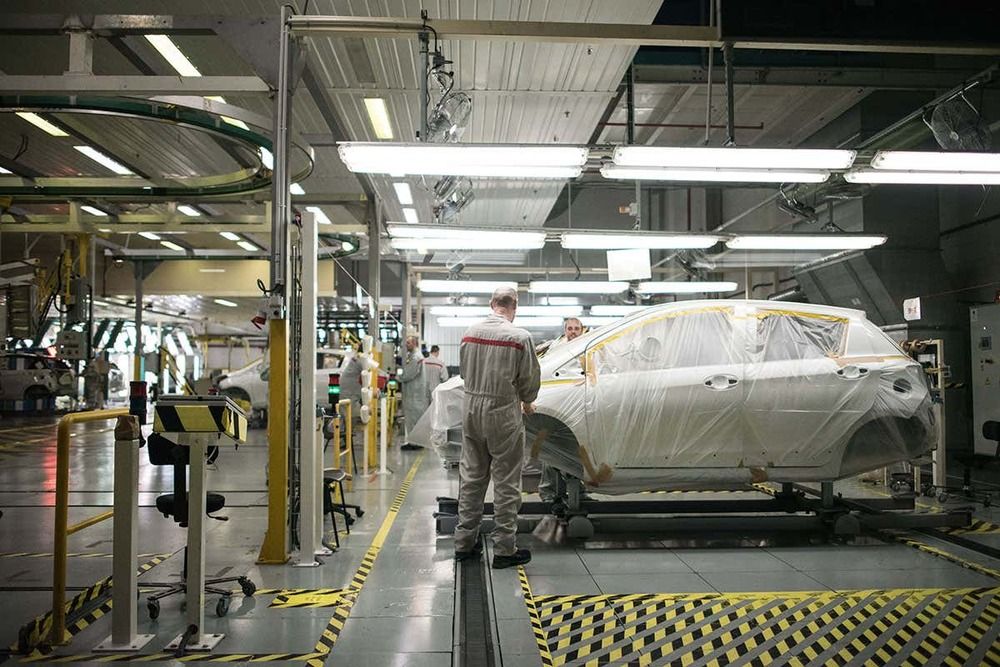
Robots are replacing human manufacturing workers in France, and making companies more productive in the process.
Daron Acemoglu at the Massachusetts Institute of Technology and his colleagues analysed more than 55,000 French manufacturing firms, noting which ones bought robots between 2010 and 2015 and what impacts the purchases had.
Never in history have we seen wealth concentrated (Apple is worth over a trillion dollars). Money and congressional power answers why legislators: let drug companies squeeze dollars from sick people, refuse to stop a president who winks and nods at Putin, at right-wing agitators, who stoke bigotry, or singles out Black, Hispanics, Jews, Muslims, immigrants, asylum seekers and refugees (let’s just lump them together). Fear of others comes from seeds planted early in life. Fear is personal — you don’t feel mine, I don’t feel yours.
But, alas, the future will be like nothing we have experienced. It’s a HUUUGE planet, with decades to come, which, if we lived long enough would from today’s vantage be unrecognizable. What we do know from our lives is that we are but a small part, not only small in terms of our kind or beliefs (political, religious, cultural), but small in influence over the planet’s trajectory (war, maybe atomic, population growth, immigration, climate, economy, racial, ethnic composition, e.g., in the U.S.).
Exceptionalism once stood for the idea that Americans served as an example of progressive values (democracy, justice and humanity), control over their destiny; could tame the environment, extract resources (oil, coal) without limit, and provide jobs for everyone through capitalism. For our successors, what they look like and what they believe in will go beyond change wrought by anything imaginable, today.
They beat us at chess and trivia, supplant jobs by the thousands, and are about to be let loose on highways and roads as chauffeurs and couriers.
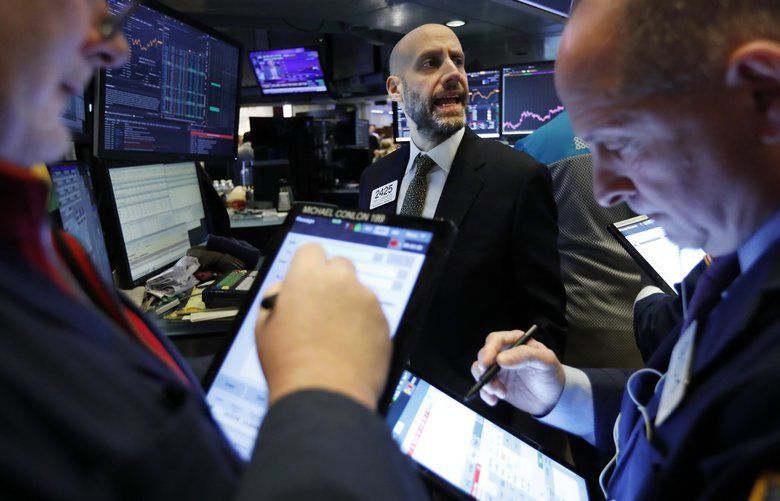
Now, fresh signs of robot supremacy are emerging on Wall Street in the form of machine stock analysts that make more profitable investment choices than humans. At least, that’s the upshot of one of the first studies of the subject, whose preliminary results were released in January.
Buy recommendations peddled by robo-analysts, which supposedly mimic what traditional equity research departments do but faster and at lower costs, outperform those of their flesh-and-blood counterparts over the long run, according to Indiana University professors.
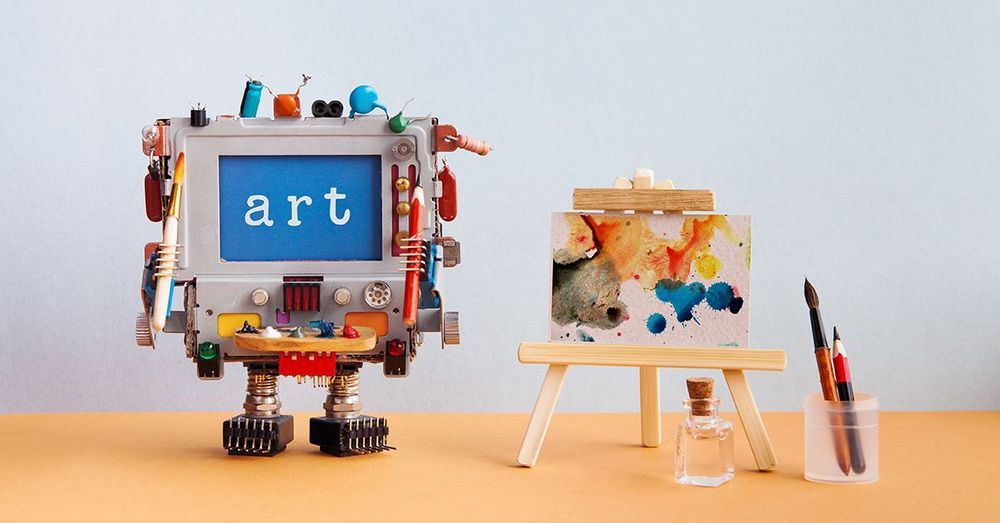
AI starts playing an important role in design. So should designers be worried about it? Will AI-enabled systems take over jobs that require creativity?
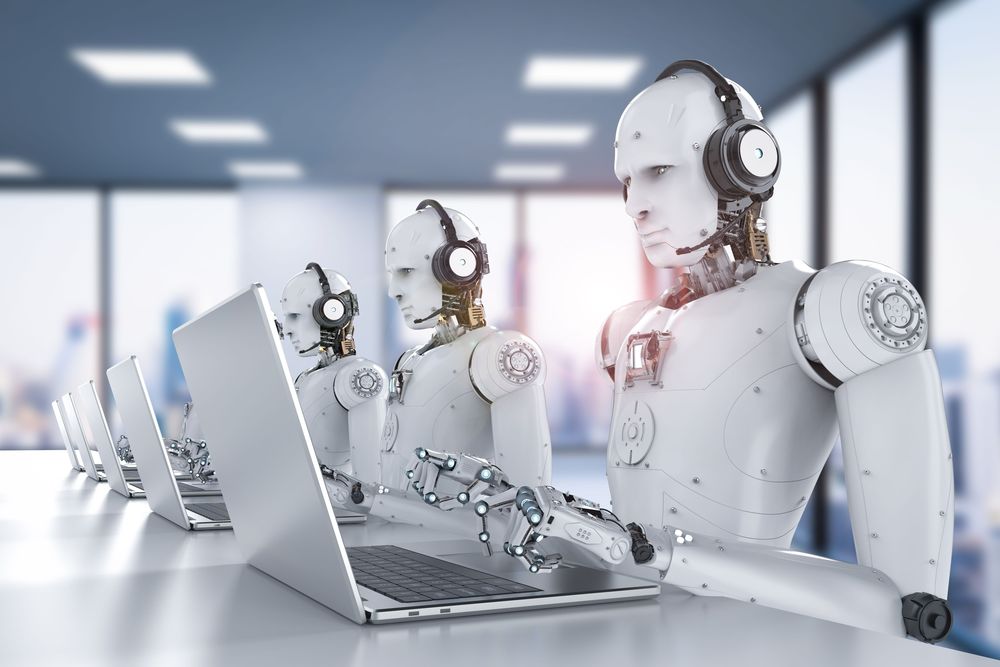
According to a new study from Oxford Economics, within the next 11 years there could be 14 million robots put to work in China alone.
Economists analyzed long-term trends around the uptake of automation in the workplace, noting that the number of robots in use worldwide increased threefold over the past two decades to 2.25 million.
While researchers predicted the rise of robots will bring about benefits in terms of productivity and economic growth, they also acknowledged the drawbacks that were expected to arise simultaneously.
Every crisis is an opportunity. With everyone staying home, this is the perfect opportunity for e-commerce, e-learning, online jobs, and big tech to expand. This is the beginning of a huge tech revolution. 2020 will be the techade (technology decade).
The virus is hitting China’s economy hard, but this is likely only temporary. China’s immune system is fighting back — building hospitals in record time, completely locking down a city and most importantly the entire nation uniting as one voice of support and solidarity.
Mario Cavolo called out the global response to the Coronavirus in his post “Something’s not right here folks” which originally went viral on LinkedIn and then subsequently all over Chinese social media. He compares the media response to Coronavirus with the H1N1 outbreak in the US, saying, “it’s not a conspiracy, it’s just a tragedy,” and “this vicious, political, xenophobic racist attacks and smearing of all things China needs to stop.”
What doesn’t break you only makes you stronger, and the Chinese people are resilient and will find ways to rise out of this crisis, likely coming back even stronger than before. How long that will take no-one yet knows, but the Chinese spirit is not even close to being broken, and we’ve seen how Chinese ingenuity in a time of crisis has led to entirely new operating models.