Toggle light / dark theme

Envisioning a Future Where Wastewater Doesn’t Go to Waste

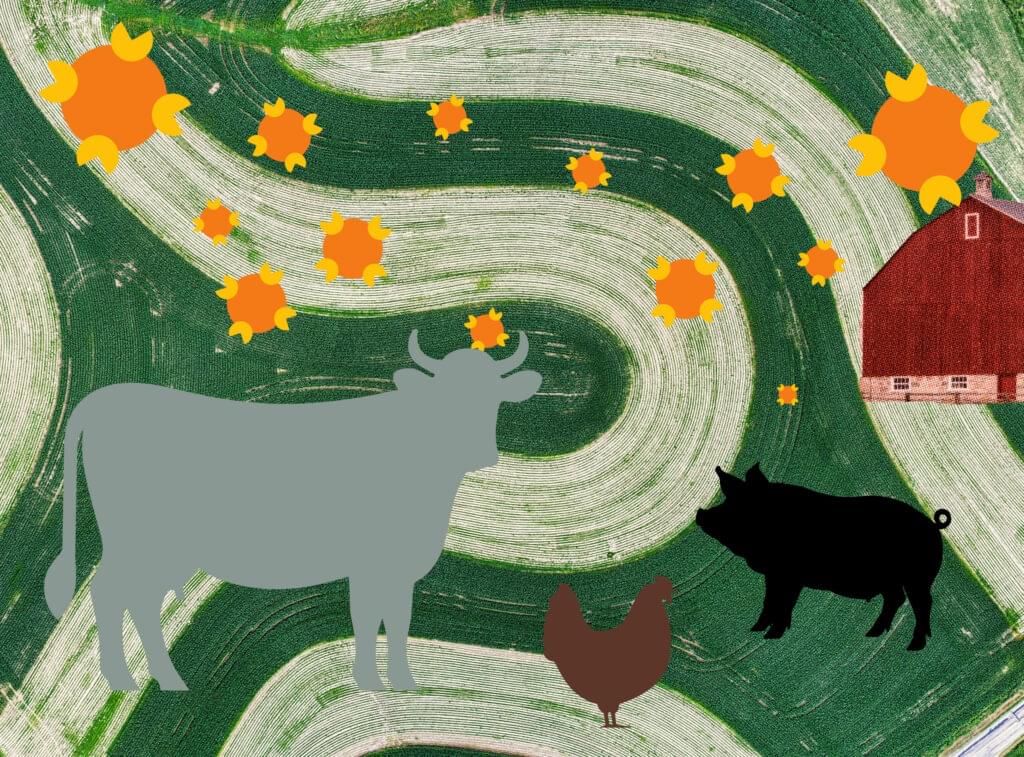
Wastewater generated by animal farms poses a significant environmental risk, as it can pollute soil and groundwater and can be hazardous to human health. However, animal farm wastewater also contains carbon and many other nutrients. What if we could extract the carbon and nutrients and then release treated water back into the environment?

That’s the future envisioned by Prathap Parameswaran, an associate professor at Kansas State University who researches how to use environmental biotechnology platforms for biological wastewater treatment and sustainable resource recovery.


ABPDU and Kansas State University researchers make progress on extracting useful products from animal farm wastewater.

Study sheds light on solar farm impacts to property values

As solar energy becomes more affordable and widespread, farmland has emerged as a prime location for large-scale solar development. But with this expansion comes a persistent question: Do nearby property values suffer when solar farms move in?

In a paper published in the Proceedings of the National Academy of Sciences, researchers in Virginia Tech’s Department of Agricultural and Applied Economics in the College of Agriculture and Life Sciences looked at millions of property sales and thousands of commercial solar sites to shed some light on one of the most commonly cited downsides of large-scale solar adoption.

“As the U.S. scales up renewable energy, are increasingly being sited near homes and on farmland, and this often leads to pushback from residents worried about aesthetics or property value loss,” said Chenyang Hu, a graduate research assistant in the Department of Agricultural and Applied Economics and the paper’s lead author.

UP Researchers Predict Antimicrobial Resistance Using AI Models

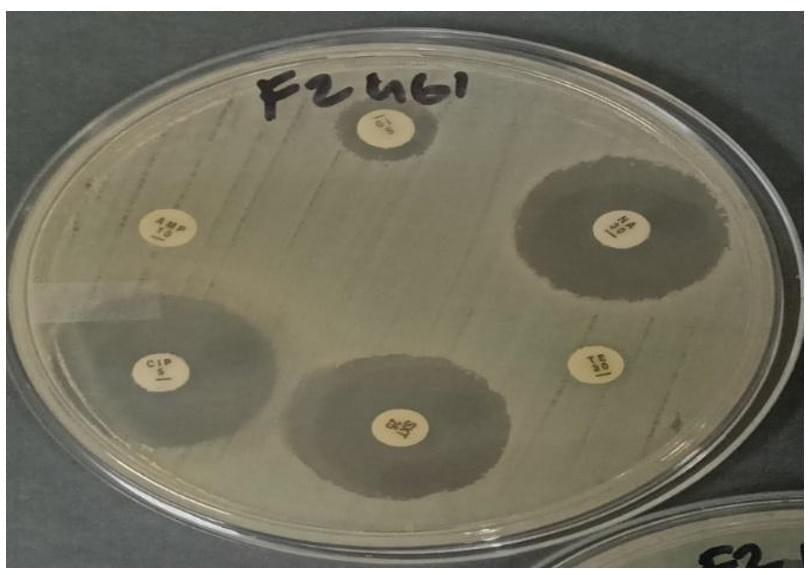
Escherichia coli (E. coli) is a common bacterium that lives in the intestines of animals and humans, and it is often used to identify fecal contamination within the environment. E. coli can also easily develop resistance to antibiotics, making it an ideal organism for testing antimicrobial resistance—especially in certain agricultural environments where fecal material is used as manure or wastewater is reused.

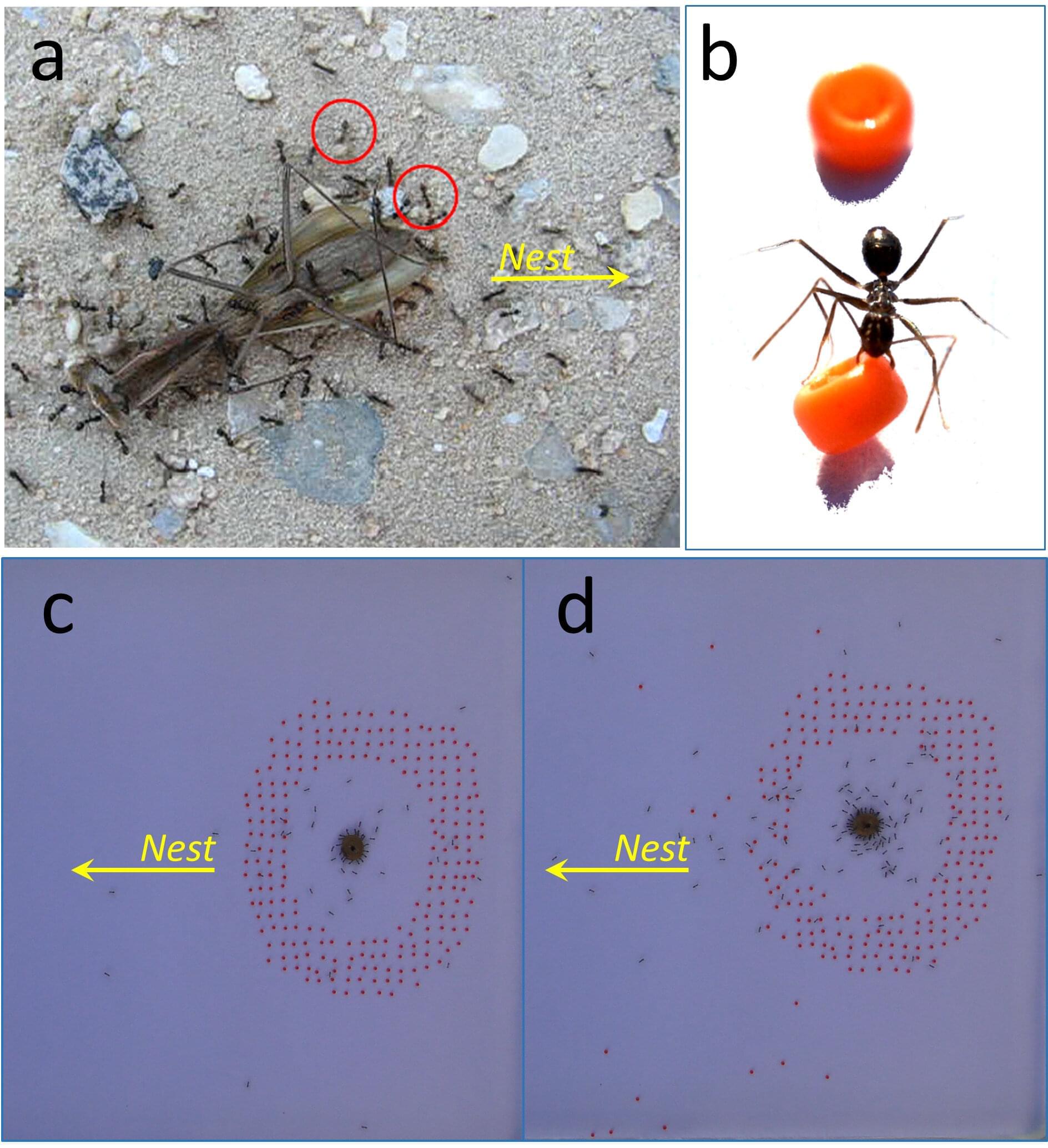
Swarm intelligence directs longhorn crazy ants to clear the road ahead for sisters carrying bulky food

Among the tens of thousands of ant species, incredible “intelligent” behaviors like crop culture, animal husbandry, surgery, “piracy,” social distancing, and complex architecture have evolved.

Yet at first sight, the brain of an ant seems hardly capable of such feats: it is about the size of a poppy seed, with only 0.25m to 1m neurons, compared to 86bn for humans.

Now, researchers from Israel and Switzerland have shown how “swarm intelligence” resembling advance planning can nevertheless emerge from the concerted operation of many of these tiny brains. The results are published in Frontiers in Behavioral Neuroscience.

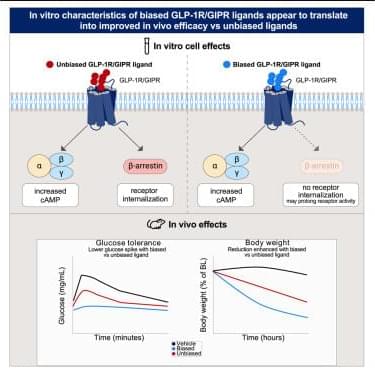
Biased agonism of GLP-1R and GIPR enhances glucose lowering and weight loss, with dual GLP-1R/GIPR biased agonism yielding greater efficacy

Biased agonism to treat diabetes and obesity.

Agonists of glucagon-like peptide-1 receptor (GLP-1R) and glucose-dependent insulinotropic polypeptide receptor (GIPR) have been used for diabetes and obesity treatment. Mechanism of action and signaling of these receptors are of paramount importance.

The researchers investigate the impact of biased cyclic AMP (cAMP) signaling with a dual GLP-1R/ GIPR agonist.

Biased GLP-1R and GIPR agonism with GLP-1R/GIPR agonist, CT-859 leads to better and prolonged glucose lowering, greater food intake reduction, and weight loss than unbiased agonism.

Biased GIPR agonism synergizes with GLP-1R on food intake suppression and weight loss. https://www.cell.com/cell-reports-medicine/fulltext/S2666&#4…0229-0 https://sciencemission.com/Biased-agonism-of-GLP-1R-and-GIPR


Rodriguez et al. investigate the impact of biased signaling with a dual GLP-1R/GIPR agonist. Biased GLP-1R and GIPR agonism leads to better and prolonged glucose lowering, greater food intake reduction, and weight loss than unbiased agonism. Biased GIPR agonism synergizes with GLP-1R on food intake suppression and weight loss.

New technologies help wood-burning stoves burn more efficiently, produce less smoke

Oregon State University researchers are gaining a more detailed understanding of emissions from wood-burning stoves and developing technologies that allow stoves to operate much more cleanly and safely, potentially limiting particulate matter pollution by 95%.

The work has key implications for human health as wood-burning stoves are a leading source of PM2.5 emissions in the United States. PM2.5 refers to with a diameter of 2.5 micrometers or smaller that can be inhaled deeply into the lungs and even enter the bloodstream. Exposure to PM2.5 is a known cause of cardiovascular disease and is linked to the onset and worsening of respiratory illness.

Even though a relatively small number of households use wood stoves, they are the U.S.’s third-largest source of particulate matter pollution, after wildfire smoke and agricultural dust, said Nordica MacCarty of the OSU College of Engineering.

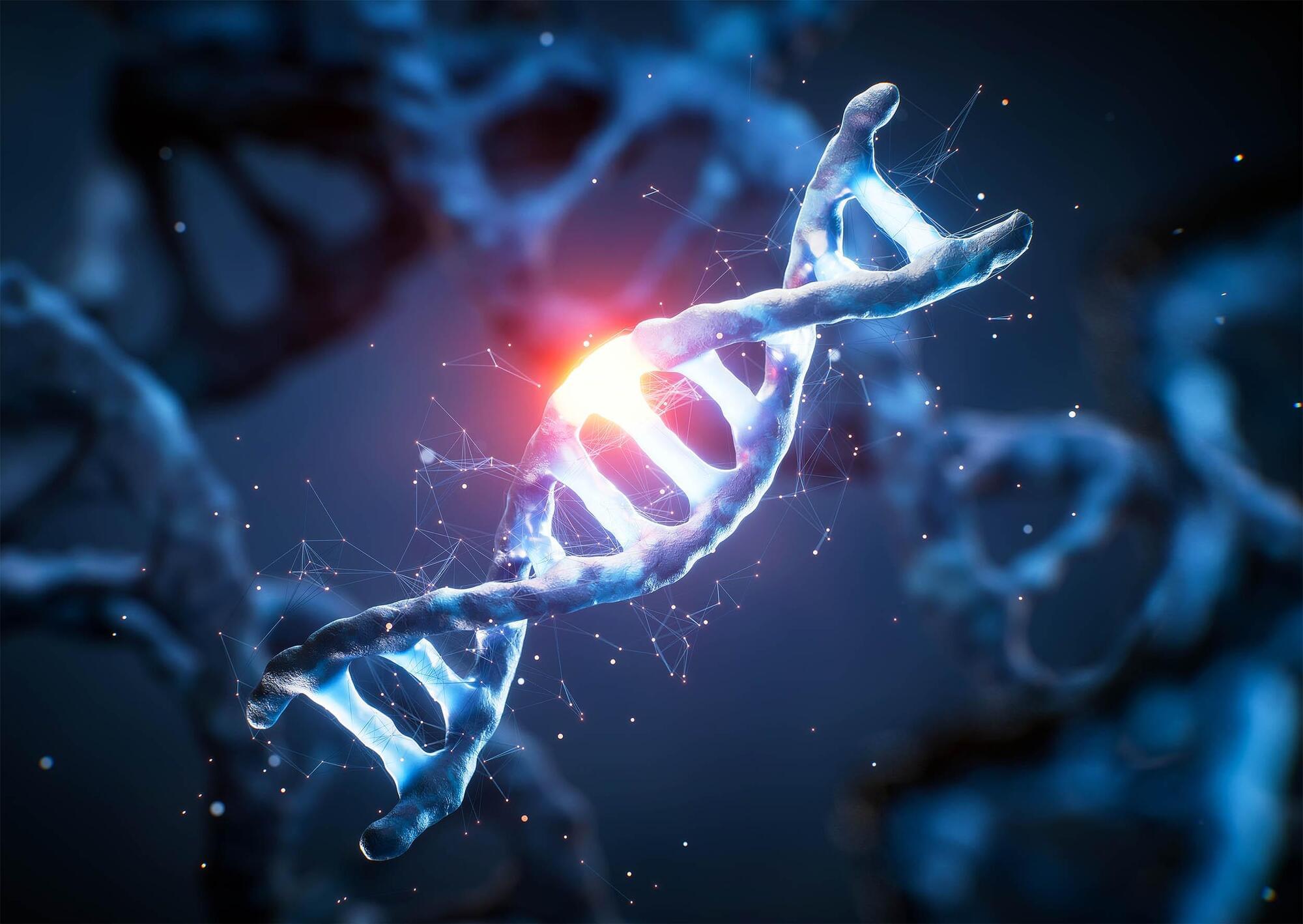
AI model deciphers plant DNA in major agricultural breakthrough

Plant DNA has become a frontier for artificial intelligence, with large language models turning genetic sequences into interpretable content for researchers. These tools treat bases like words, revealing hidden patterns that once eluded traditional methods.

A study published by Dr. Meiling Zou from Hainan University describes how language-based models interpret extensive plant genomes with remarkable precision.

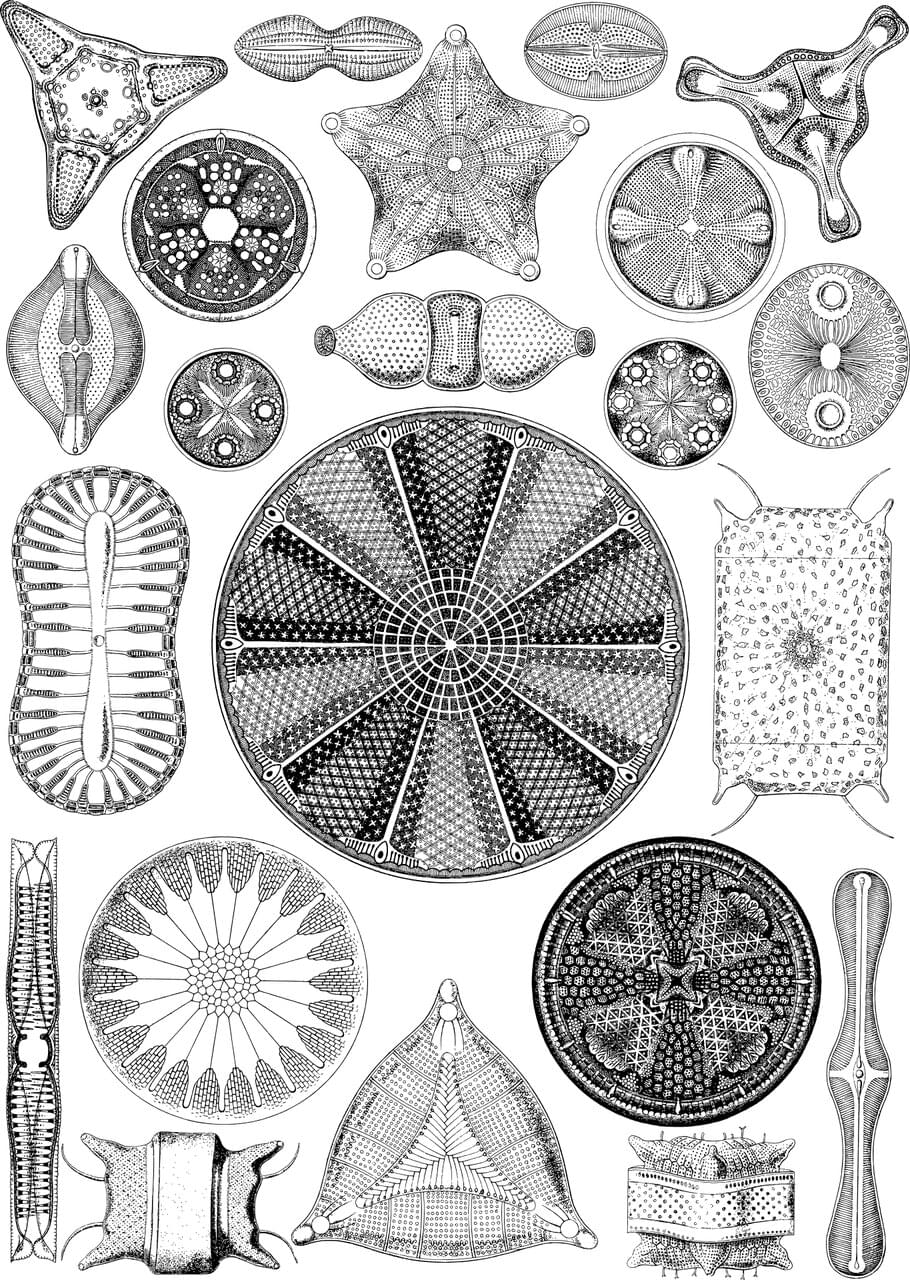
Study resolves diatom tree of life, revealing rapid speciation 170 million years ago

Trees get most of the love, but diatoms, a group of photosynthetic microalgae, produce 20% of Earth’s oxygen and are the foundation of aquatic food webs. The prevalence and diversity of diatoms have made them highly successful, suggesting the evolutionary history of diatoms is worth understanding as an important piece of the larger puzzle of life on Earth.

A new study led by researchers from the U of A found that diatoms evolved slowly for the first 100 million years of their existence. Then, 170 million years ago, they reached an inflection point characterized by a burst of rapid speciation orders of magnitude faster than anything that had preceded it. This included changes to their shape, size and mode of reproduction, as well as repeated movements from oceans into freshwater systems, a typically difficult barrier for to cross.

With an estimated 100,000 species, diatoms are now one of the most diverse groups of microalgae. They are small enough that dozens could fit on the head of a pin and are found almost anywhere there is water and sunlight.

/* */