Toggle light / dark theme

AP Exclusive: First gene-edited babies claimed in China

And so it begins…


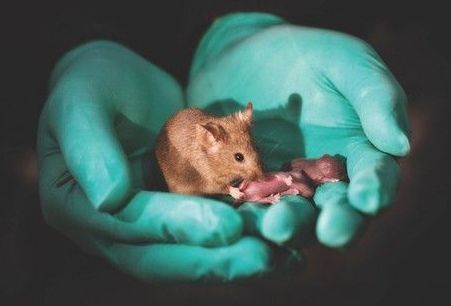
HONG KONG (AP) — A Chinese researcher claims that he helped make the world’s first genetically edited babies — twin girls born this month whose DNA he said he altered with a powerful new tool capable of rewriting the very blueprint of life. If true, it would be a profound leap of science and ethics. A U.S. scientist said he took part in the work in China, but this kind of gene editing is banned in the United States because the DNA changes can pass to future generations and it risks harming other genes. Many mainstream scientists think it’s too unsafe to try, and some denounced the Chinese report as human experimentation.

Next generation of biotech food heading for grocery stores

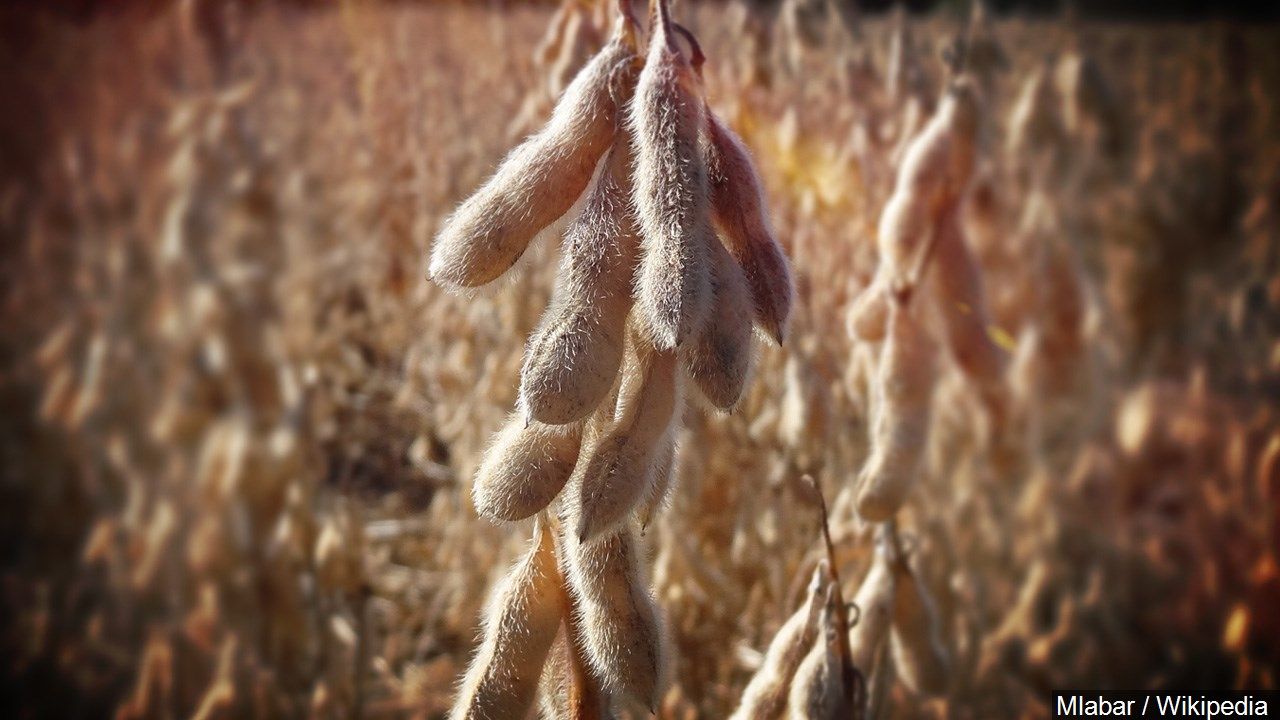
WASHINGTON (AP) — The next generation of biotech food is headed for the grocery aisles, and first up may be salad dressings or granola bars made with soybean oil genetically tweaked to be good for your heart.

By early next year, the first foods from plants or animals that had their DNA “edited” are expected to begin selling. It’s a different technology than today’s controversial “genetically modified” foods, more like faster breeding that promises to boost nutrition, spur crop growth, and make farm animals hardier and fruits and vegetables last longer.

The U.S. National Academy of Sciences has declared gene editing one of the breakthroughs needed to improve food production so the world can feed billions more people amid a changing climate. Yet governments are wrestling with how to regulate this powerful new tool. And after years of confusion and rancor, will shoppers accept gene-edited foods or view them as GMOs in disguise?

UGA researchers discover genes that give vegetables their shape

From elongated oblongs to near-perfect spheres, vegetables come in almost every size and shape. But what differentiates a fingerling potato from a russet or a Roma tomato from a beefsteak?

Researchers at the University of Georgia College of Agricultural and Environmental Sciences have recently found the genetic mechanism that controls the shape of our favorite fruits, vegetables and grains.

In article published this month in the journal Nature Communications, Esther van der Knaap, professor of horticulture, and her team at UGA detail the genetic traits, shared by multiple plants that have been shown to control fruit, leaf and seed shape.

Scientists may have found a way to treat cancer without chemotherapy

As advanced as medicine is today, the incidence of cancer diagnoses continues to rise.

Scientists at the International Agency for Cancer Research estimate that, this year, around 18 million people will be diagnosed with cancer, and around 10 million people will die of tumours— while these are the highest figures to date, researchers all over the world are looking for new therapeutic options.

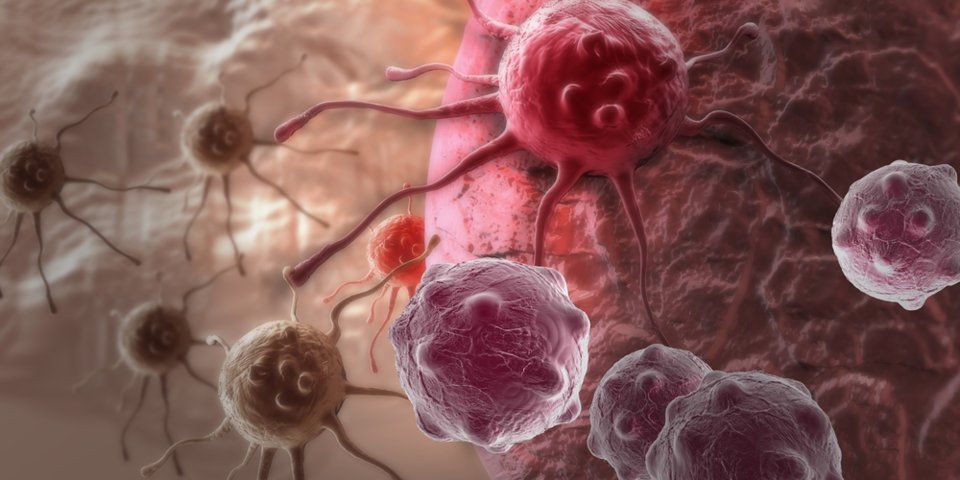
Scientists from Northwestern University in the US recently discovered a kind of genetic “kill code” in cells that could theoretically be used to treat cancer without chemotherapy.

Bioquark Inc. — What is BioHacking? — Ira Pastor

Taking Health Into Your Own Hands – Is Biohacking the Wellness Solution You’ve Been Searching For?

https://www.vitacost.com/blog/home-family/wellness/what-is-b…r-NKrcmFZ0

A time to fast

! A new review on the positive effects on lifespan and health of fasting and calorie restriction.


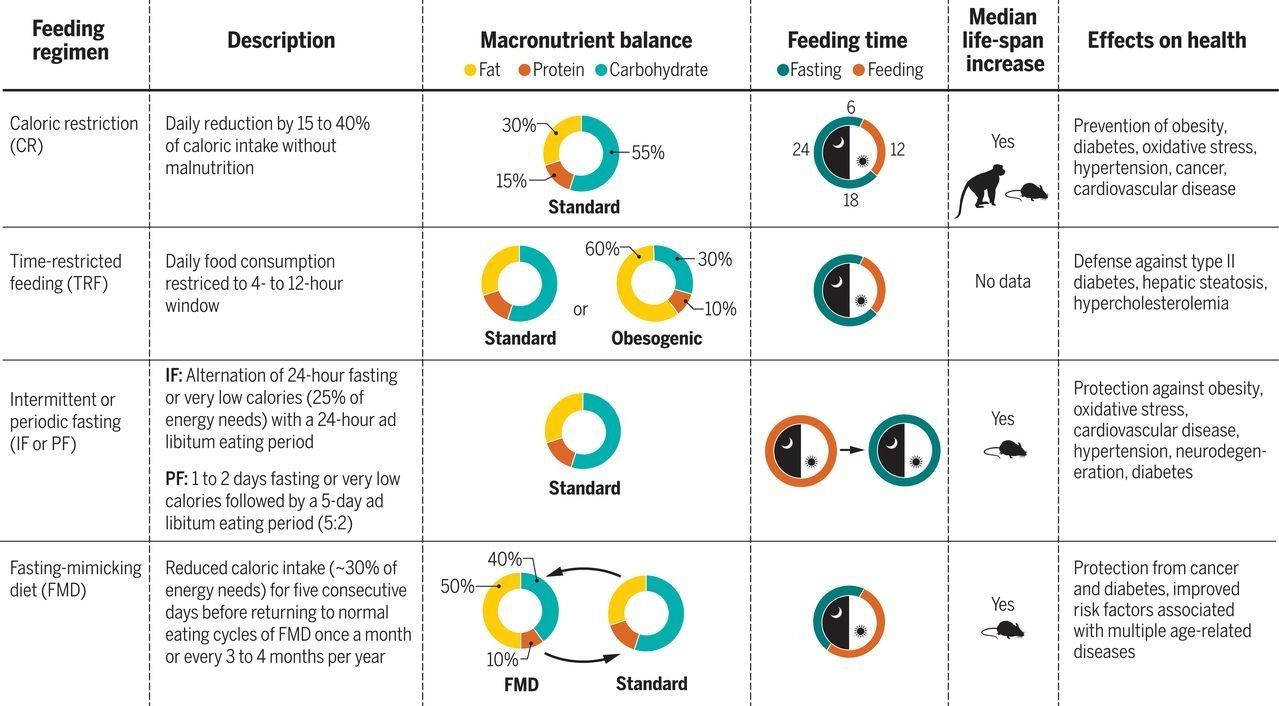
Nutrient composition and caloric intake have traditionally been used to devise optimized diets for various phases of life. Adjustment of meal size and frequency have emerged as powerful tools to ameliorate and postpone the onset of disease and delay aging, whereas periods of fasting, with or without reduced energy intake, can have profound health benefits. The underlying physiological processes involve periodic shifts of metabolic fuel sources, promotion of repair mechanisms, and the optimization of energy utilization for cellular and organismal health. Future research endeavors should be directed to the integration of a balanced nutritious diet with controlled meal size and patterns and periods of fasting to develop better strategies to prevent, postpone, and treat the socioeconomical burden of chronic diseases associated with aging.

The worldwide increase in life expectancy has not been paralleled by an equivalent increase in healthy aging. Developed and developing countries are facing social and economic challenges caused by disproportional increases in their elderly populations and the accompanying burden of chronic diseases. Geriatricians and gerontologists have contributed greatly to our understanding of the consequences and processes that underlie aging from clinical, social, mental, physical, and biological perspectives. The primary goal of aging research is to improve the health of older persons and to design and test interventions that may prevent or delay age-related diseases. Besides socioeconomic status, energy, environmental quality, and genetics are the most powerful determinants of health and longevity. Although environmental quality and genetics are not under our direct control, energy intake is.
/* */