Toggle light / dark theme

Starlink launches satellite internet for RVs that costs $25 more

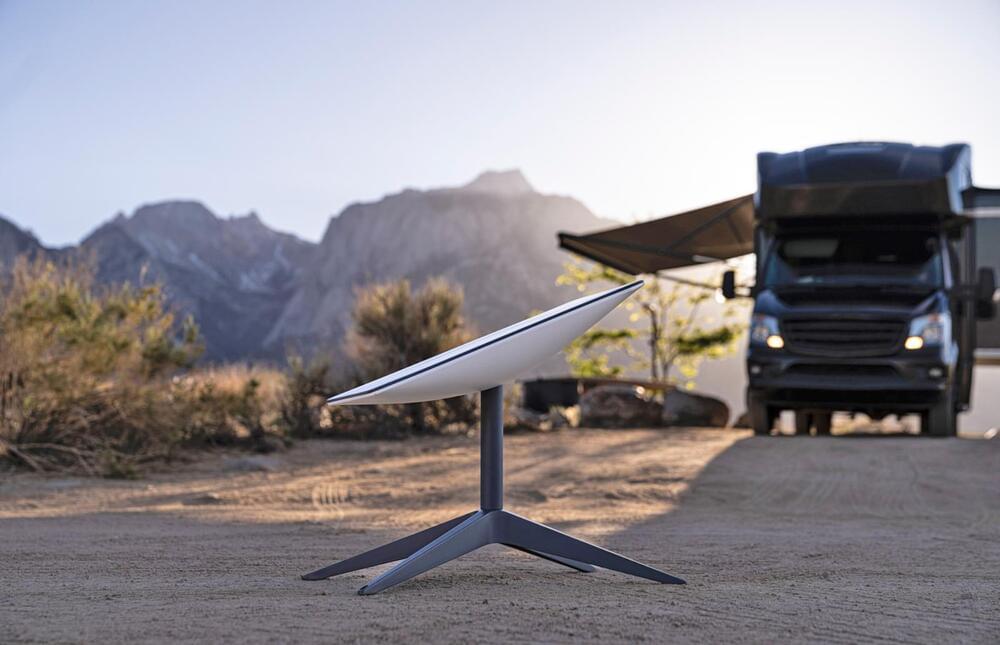
Starlink has launched a new product meant specifically for RV dwellers and those who can’t wait to get connected to the satellite internet service. While applying for a regular Starlink dish and service will put customers in a waitlist until 2023, Starlink for RVs is immediately available and will ship out to buyers right now. The downside? Network resources are always de-prioritized for it, and the service costs $135, which is $25 more than a regular Starlink connection.

In other words, the RV option costs just as much as a regular Starlink connection with the Portability feature introduced back in March that allows customers to use the service while they’re away from home. A regular connection requires one to have a home service first, though, and that may not be possible for some people. Another difference is that the product for RVs gives customers the ability to pause and un-pause service, so they can control when their billing starts and ends.

Since the network is de-prioritized for the RV service, though, users’ connection might be slow and intermittent in congested areas and during peak hours. “Stated speeds and uninterrupted use of the service are not guaranteed,” the company wrote in its Help page, clearly making sure interested customers understand that it’s prioritizing at-home users. One important thing to note for those looking into the RV option is that they can’t use Starlink while in motion at this time. SpaceX chief Elon Musk also added on Twitter that the dish is too big for cars, though that didn’t stop at least one user from bolting it onto their vehicle’s hood.


Space Renaissance Art & Science Festival — Berlin 7–9 July 2022

The Festival will take place, from 7 to 9 July 2022, at the Archenhold Observatory in Berlin (Germany).

You are welcome to join the Festival in presence, sizing an excellent opportunity to visit the historic Archenhold Observatory and the beautiful city of Berlin. However, the Festival will be an hybrid conference, therefore virtual attendees are welcome as well.

Register here for free: https://spacerenaissance.space/register-to-the-space-renaiss…rlin-2022/

A detailed programme, and all the information — including logistics and hotels accommodations — are ** available on this page:**

**The agenda, in brief:** * The first day, 7 of July, focuses on ** Space Philosophy & Policy**, with a Panel on Civilian Space Development — How to accelerate it? How to support new space industry to achieve the goal of kicking off civilian space development within 2030? What should space agencies do, and what should the space activist organizations do? * The 8 of July, ** Astronauts and Civilians, Science & Tech Day**, will see two panels: on Space Habitats and Analog Training; Space Night, after dinner: Night Observation at the giant telescope * The 9 of July, the ** Space Art Day**, with two art panels, in German and English language.

The programme includes several keynote speakers, e.g. Seth Shostak (SETI), Giuseppe Reibaldi and John Mankins (Moon Village Association), Michelle Hanlon (NSS President), Bob Zubrin (Mars Society Founder), Jan Wörner (former ESA Director General), Bernard Foing (SRI President, chair of ITACCUS and EuroMoonMars). Many experts will tell us what’s going on on the edge of space settlement, science, art and exploration.

Several space artists will present their artworks, including: Priscilla Thomas, Mary Kuiper, Barbara King, and many members of the MoonMars art group.

The Festival will host the GALIX Congress 2022.

NASA Reveals Early Plans to Send Two Astronauts to Surface of Mars

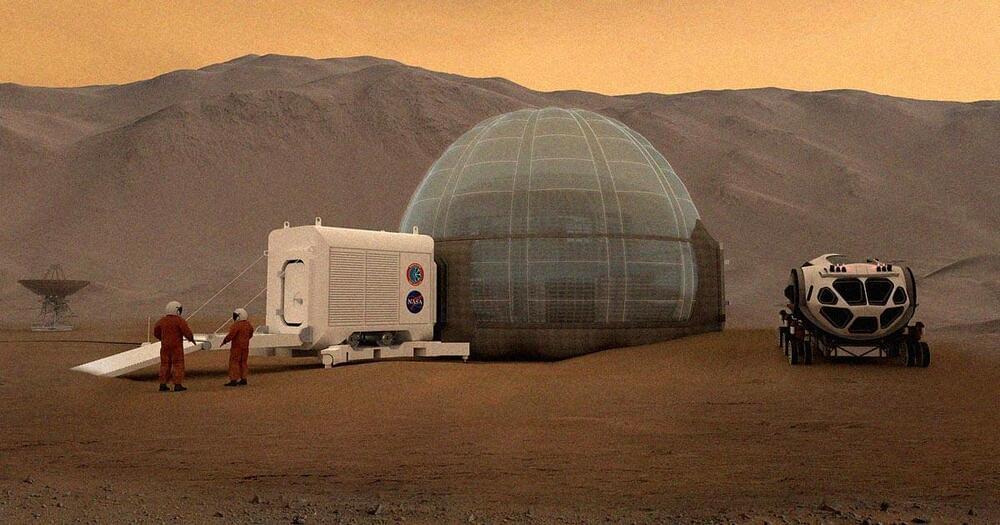
During a high-level talk on NASA’s objectives for human space exploration, we got an early glimpse of what a 30 day crewed mission to the surface of Mars could eventually look like.

It’s an exciting prospect that, while many years if not decades away, shows the agency’s commitment to fulfilling humanity’s dreams of setting foot on the Red Planet for the first time in history.

NASA director of space architectures Kurt “Spuds” Vogel outlined what such a mission could entail. The agency is envisioning a habitat spacecraft to make the months long journey there, which uses a hybrid rocket stage that combines chemical and electric propulsion.

Smart roof coating uses physics trick to warm or cool the house, depending on the season

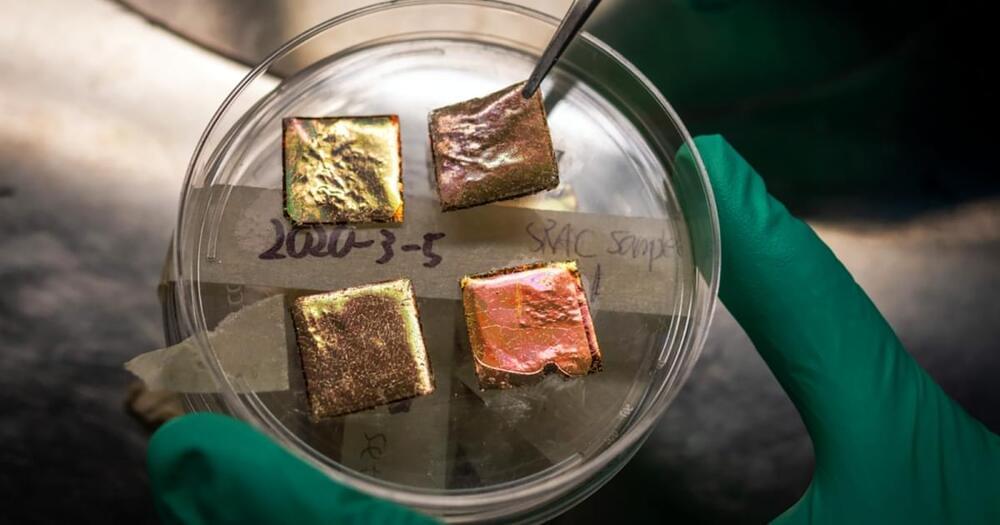
Rooftop coatings can keep homes cool — like cooling paper that helps radiate heat away. Or they can trap heat inside, keeping homes warm.

But what is the optimal rooftop coating for homes with both a hot and cold season?

Scientists have come up with an answer: an all-season covering that keeps homes warm in the winter and cool in the summer.

Huzzah! The James Webb Is Fully Aligned and Ready to Spy on Deep Space

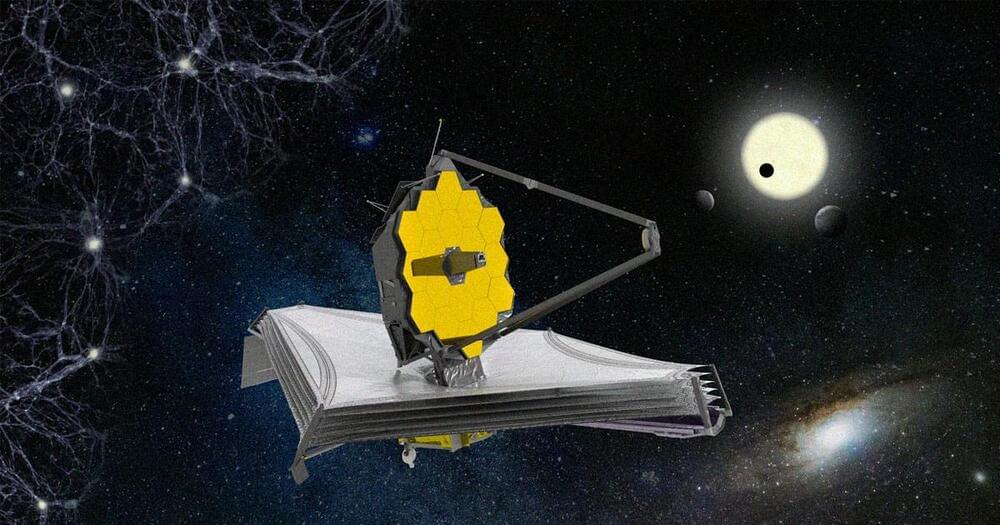
The stars are officially aligned for NASA’s James Webb Space Telescope.

The extremely expensive space observatory has finished its alignment phase, with scientists confirming that it’s almost ready to kick off official scientific operations later this year.

In other words, the $10 billion telescope is on the home stretch, nearing its biggest milestone yet. NASA also released a slew of stunning new sample images taken by the telescope, showing the Large Magellanic Cloud, a small satellite galaxy of our Milky Way — stunning previews, hopefully, for a slew of imagery we’ll see from the ‘scope.

Jack in the Box to trial robots for kitchen work

Jack in the Box has become the latest American food chain to experiment with automation, as it seeks to handle staffing challenges and improve the efficiency of its service.

Jack in the Box is one of the largest quick service restaurant chains in America, with more than 2,200 branches. With continued staffing challenges impacting its operating hours and costs, Jack in the Box saw a need to revamp its technology and establish new systems – particularly in the back-of-house – that improve restaurant-level economics and alleviate the pain points of working in a high-volume commercial kitchen.

Inside the space hotel scheduled to open in 2025

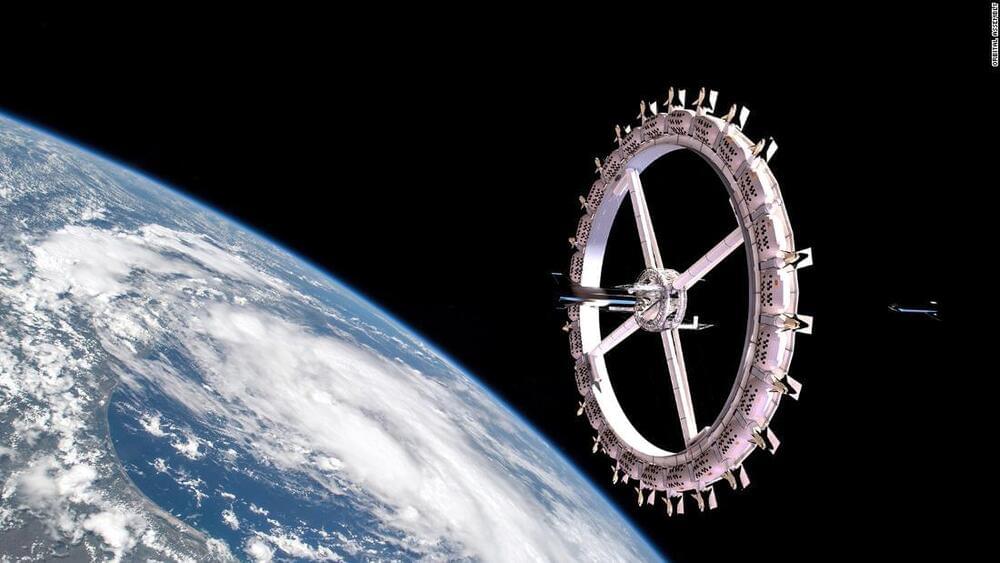
Orbital Assembly is now aiming to launch not one but two space stations with tourist accommodation: Voyager Station, the renamed original design, is now scheduled to accommodate 400 people and to open in 2027, while new concept Pioneer Station, housing 28 people, could be operational in just three years.

The goal, says Orbital Assembly, is to run a space “business park” home to offices as well as tourists.

Space tourism seems closer than ever before — over the past year, billionaire Virgin founder Richard Branson blasted into suborbital space with his company Virgin Galactic, while Star Trek actor William Shatner became the oldest person in space thanks to a jaunt with Blue Origin.

/* */