Toggle light / dark theme

NAD+ Regulates the Creation of Fat Cells

After NAD+ is consumed, it is broken down into nicotinamides and ADP-ribose; the researchers concluded that this means that NAD+ must be resynthesized following this in order for normal cellular functions to continue. This converges with previous studies, which suggest that NAD+ decline leads to changes in metabolism and an increased risk factor for some diseases; this typically happens as the result of aging, as NAD+ levels begin to fall.

With this in mind, the research team thought that cellular metabolism and gene regulation were potentially connected to NAD+ synthesis. They discovered evidence suggesting that compartmentalized NAD+ synthesis and the subsequent consumption are integrated with glucose metabolism and adipogenic transcription as part of the adipocyte differentiation process.

NAD+ synthesis acts as a mediator of PARP-1-regulated transcription during the differentiation of adipocytes, linking cellular metabolism and the adipogenic transcription process. During adipogenesis, nuclear NAD+ levels fall, causing the induction of NMNAT-2, the cytoplasmic NAD+ synthase. This increased level of NMNAT-2 then reduces the availability of NMN and leads to a reduction of nuclear NAD+ synthesis via NMNAT-1. The drop in NAD+ levels then results in decreased PARP-1 activity, which then reduces levels of inhibitory ADP-ribosylation of the adipogenic transcription factor C/EBPβ. Reduced ADP-ribosylation of C/EBPβ means that it is able to bind its target genes, thus promoting the differentiation of preadipocytes into adipocytes. In other words, a decline of NAD+ encourages an increase of preadipocytes turning into adipocyte fat cells.
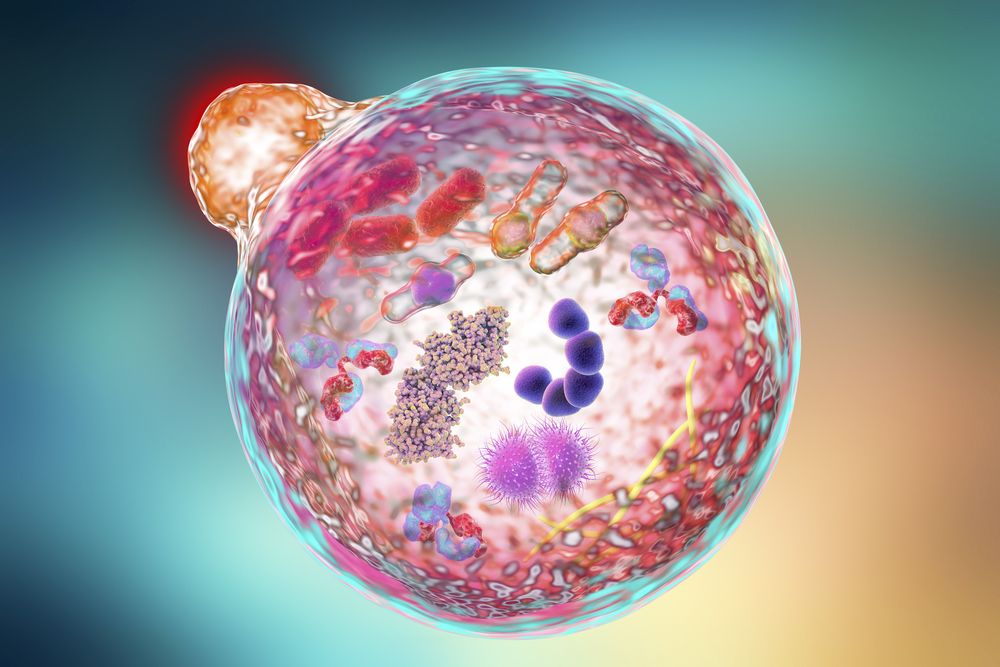
The Hallmarks of Aging: Loss of Proteostasis

Today, as part of our series of articles that cover the Hallmarks of Aging, we are going to take a look at the role of proteins in cellular function and how they play a key role in aging.

Proteins are essential for cellular function

Proteins are large, complex molecules that regulate almost everything in your body, either directly or indirectly. They do the majority of the work in cells and are critical for the function, regulation, and structure of tissues and organs.

Triggering Autophagy to Potentially Combat Neurodegenerative Diseases

Researchers at Brown University have discovered a way to stimulate cellular autophagy, which is a natural recycling system built into every cell in the body. This has the potential to combat many age-related neurodegenerative diseases.

What is autophagy?

Autophagy means “eating of self” (from Ancient Greek “auto” = self, “phagein” = to devour). Autophagy is how cells break down broken or dysfunctional organelles and proteins in the cell [1,2]. This essentially means that autophagy can consume organelles, such as mitochondria, peroxisomes, and the endoplasmic reticulum, as part of this process. There is also evidence to support that high levels of autophagy are linked to longevity.

The Why Factor

I’m excited to announce my interview on the BBC World Service is airing around the world today multiple times to millions of people. My 4-min section on #transhumanism starts at 10:50.


Why do people chase immortality? We those who believe science is close to beating death.

Why NAD+ Declines With Age

Nicotinamide adenine dinucleotide (NAD+), a nucleotide, is critical for life to exist. From the most simple bacteria to complex multicellular organisms such as humans, NAD is a vital component of cellular function and thus life.

An increased level of NAD+ appears to convey health and longevity, and a decrease is associated with aging and disease. Today, we are going to look at NAD+, why it declines with age, and what science might do about it.

Blocking anti-aging enzymes makes cancer die of old age

At the cellular level, aging and cancer are two sides of the same coin. The mechanism that limits a cell’s lifespan can be slowed down, but that can turn them cancerous, as they divide unchecked. Now, scientists at EPFL have found a way to manipulate that mechanism to effectively turn off cancer’s immortality, letting it die slowly and naturally.

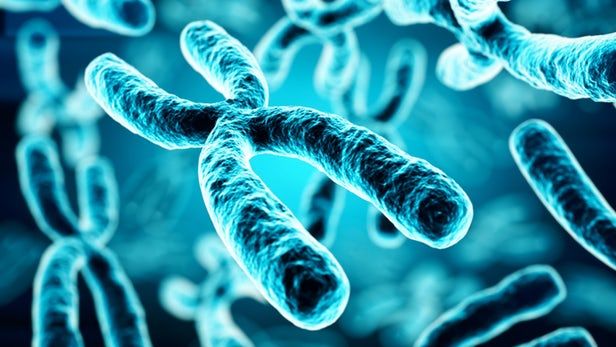
Every time a cell divides, it consults the blueprints contained in the chromosomes, but some genetic information is lost with every division. To protect the important bits, the tips of the chromosomes are covered with repeating sequences of “junk” DNA known as telomeres. Eventually even they erode away, leaving the cell vulnerable to damage – which we recognize as wrinkles, grey hairs, decreased metabolism, and higher chances of disease. In that way, telomere length is inextricably linked to aging.

Curcumin improves memory and mood, new UCLA study says

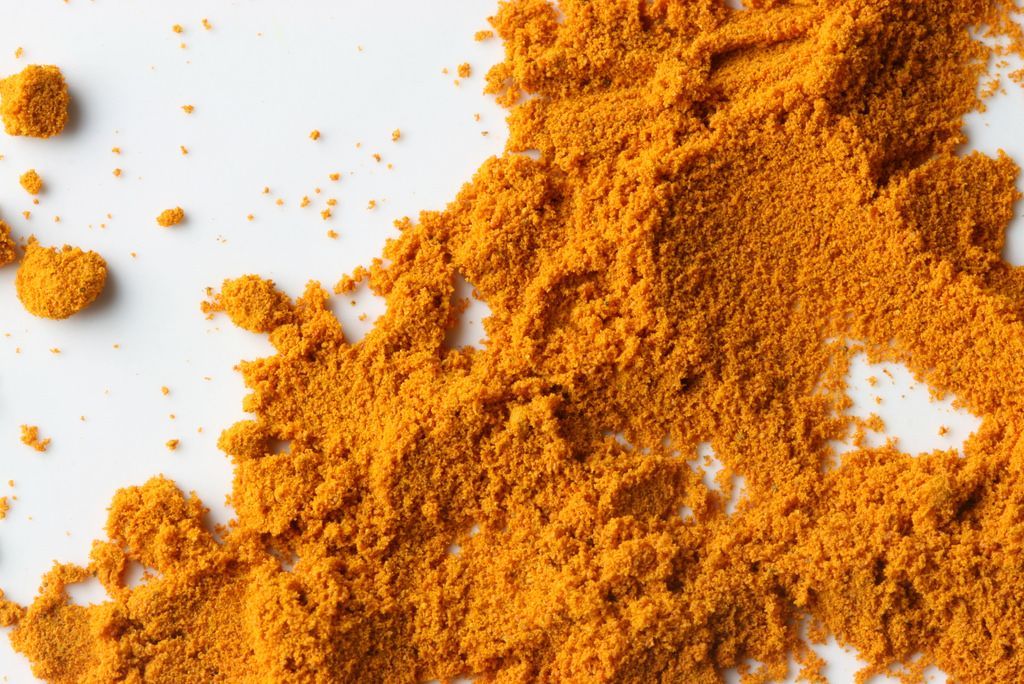
Found in turmeric, curcumin has previously been shown to have anti-inflammatory and antioxidant properties in lab studies. It also has been suggested as a possible reason that senior citizens in India, where curcumin is a dietary staple, have a lower prevalence of Alzheimer’s disease and better cognitive performance.

“Exactly how curcumin exerts its effects is not certain, but it may be due to its ability to reduce brain inflammation, which has been linked to both Alzheimer’s disease and major depression,” said Dr. Gary Small, director of geriatric psychiatry at UCLA’s Longevity Center and of the geriatric psychiatry division at the Semel Institute for Neuroscience and Human Behavior at UCLA, and the study’s first author.

The double-blind, placebo-controlled study involved 40 adults between the ages of 50 and 90 years who had mild memory complaints. Participants were randomly assigned to receive either a placebo or 90 milligrams of curcumin twice daily for 18 months.

/* */