A study of 155 adults found that the correlation between inflammatory markers and symptoms like anxiety or fatigue is significantly more pronounced in individuals with low sleep quality or difficulty regulating emotions.


A new study published in the journal Personality and Individual Differences shows that men with higher general intelligence are less likely to engage in abusive or coercive behaviors toward their romantic partners. The findings suggest that cognitive ability may play a role in how men manage conflict and commitment in heterosexual relationships.
General intelligence is a broad mental capacity that influences reasoning, planning, and problem-solving. Psychology research has long established that people with higher general intelligence tend to experience better life outcomes. They generally achieve higher levels of education and earn more money. They also tend to live longer and suffer from fewer health issues.
But the relationship between intelligence and romantic success is less clear. Some data suggests that intelligent people are less likely to divorce. Other studies indicate they may have sex less frequently or choose to have fewer children. Evolutionary psychologists have debated why this might be the case.
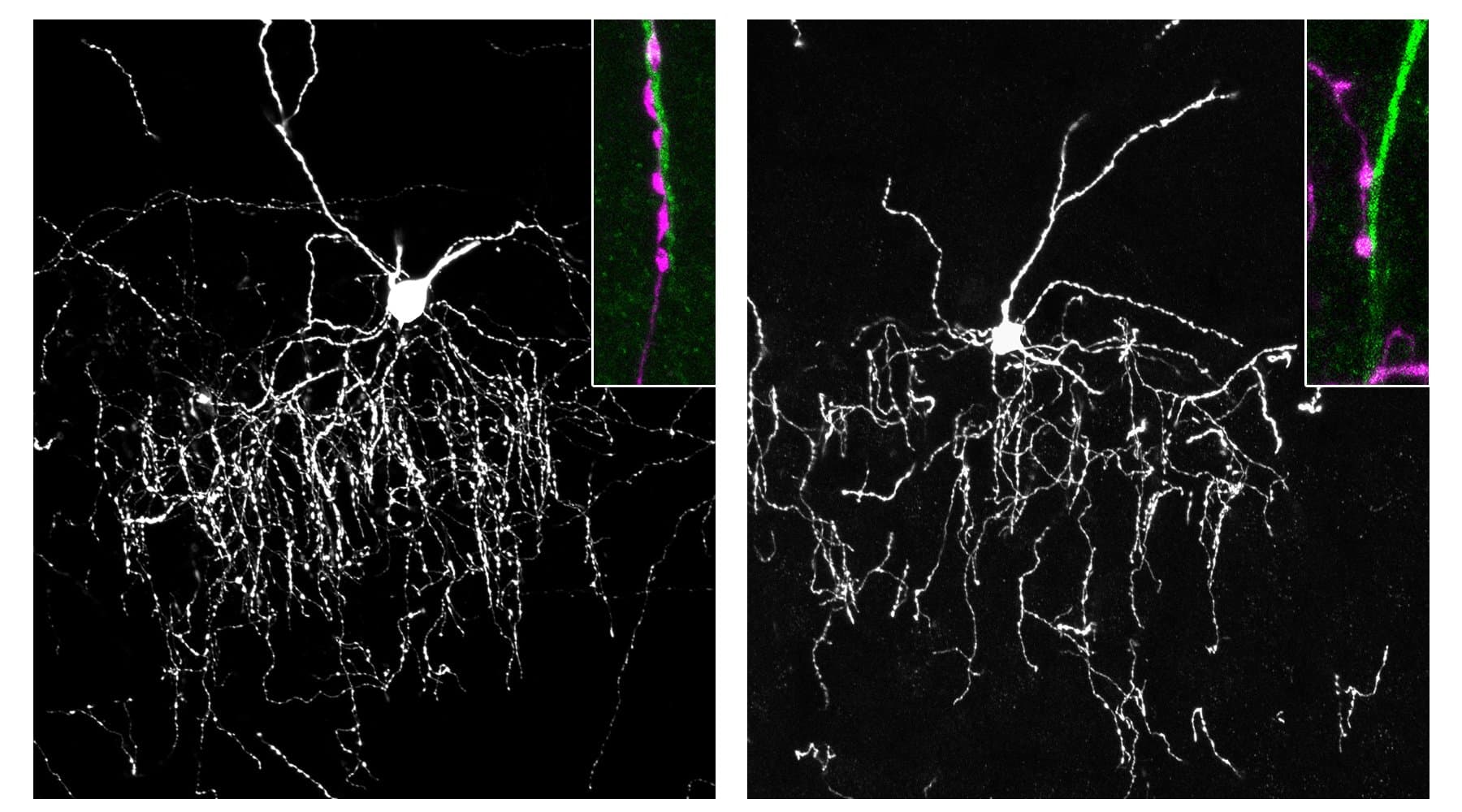

Researchers from Kyushu University discovered a previously unrecognized synaptic “hotspot” that forms during adolescence, challenging the long-held view that adolescent brain development was dominated by synaptic pruning. This hotspot fails to form in mice carrying a schizophrenia-associated gene, pointing to a potential link between adolescent synaptic formation and psychiatric disorders, including schizophrenia.
Adolescence marks an important transition not just socially and physically, but neurologically. During this period, higher cognitive functions such as planning, problem-solving, and decision-making gradually mature. Yet, the underlying mechanisms of neural circuit development remain poorly understood.
Key to this process are synapses—the functional connections between neurons allow information to flow through the brain. Previously, it has long been hypothesized that synapse numbers increase during childhood and then decrease during adolescence. It has also been proposed that excessive “synaptic pruning,” a process that refines neural circuits by eliminating unused or weak connections, may lead to neuropsychiatric disorders. One example is schizophrenia, a condition characterized by hallucinations, delusions, or disorganized thinking.
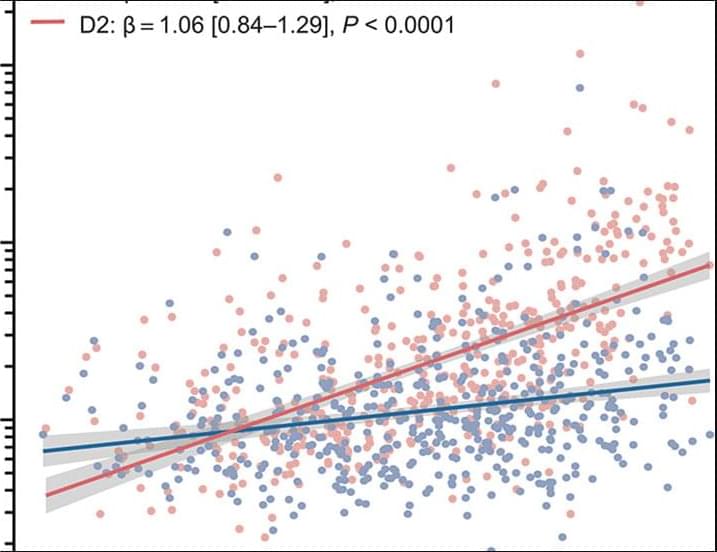
Monitoring markers of tau protein in the blood can predict functional outcomes in patients recovering from ischemic stroke better than MRI, according to a comprehensive study of more than 1,200 patients in ScienceTranslationalMedicine.
📄
Sci. Transl. Med. 18, eadz1280 (2026). DOI:10.1126/scitranslmed.adz1280
Select the format you want to export the citation of this publication.
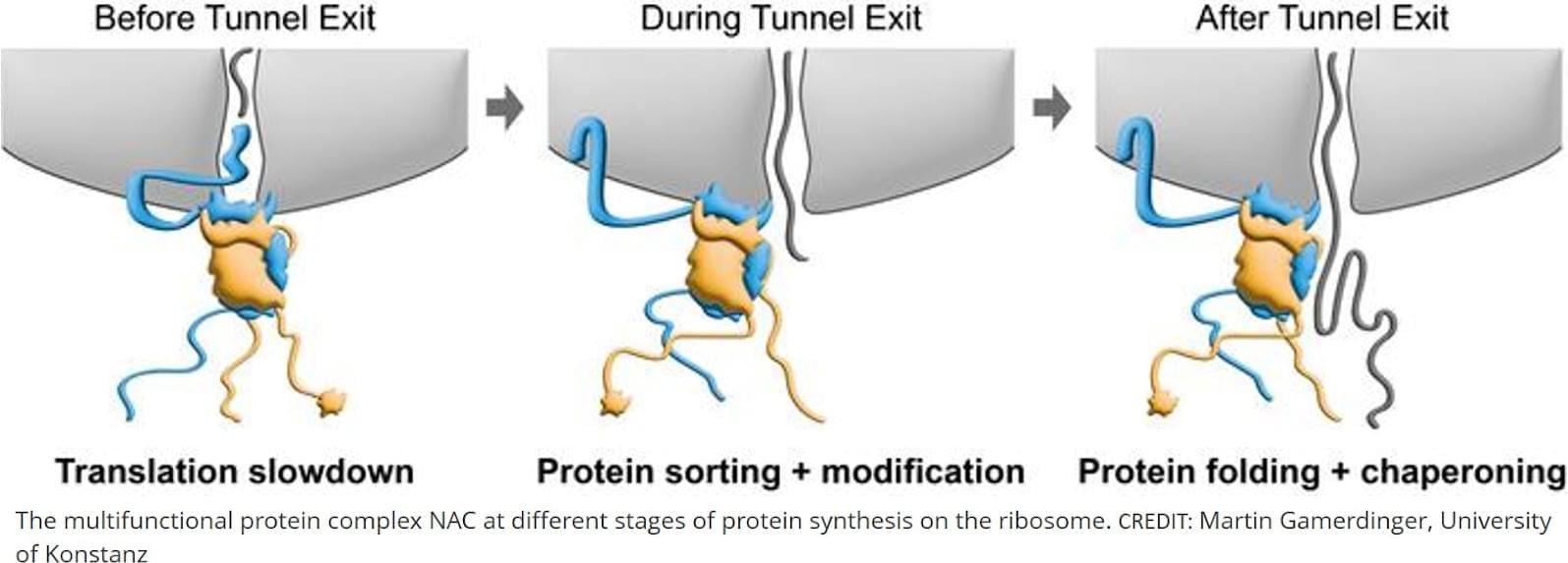
Controlling myelin sheath geometry!
Mechanics of how oligodendrocytes, the myelinating cells of the brain, insulates the axons for proper signal transduction across the neurons is not well understood.
The researchers in this study show that oligodendrocytes use mechanical cues to measure axon size.
Loss of TMEM63A causes mis-sizing of myelin sheaths and hypomyelination linked to transient infantile leukodystrophy. https://sciencemission.com/TMEM63A-regulates-myelin-sheath
Dereddi, Djannatian, and colleagues show that oligodendrocytes use mechanical cues to measure axon size. The stretch-activated channel TMEM63A converts membrane tension into calcium signals, which calibrate myelin sheath growth via MYO5A-dependent Mbp mRNA transport. Loss of TMEM63A causes mis-sizing of myelin sheaths and hypomyelination linked to transient infantile leukodystrophy.
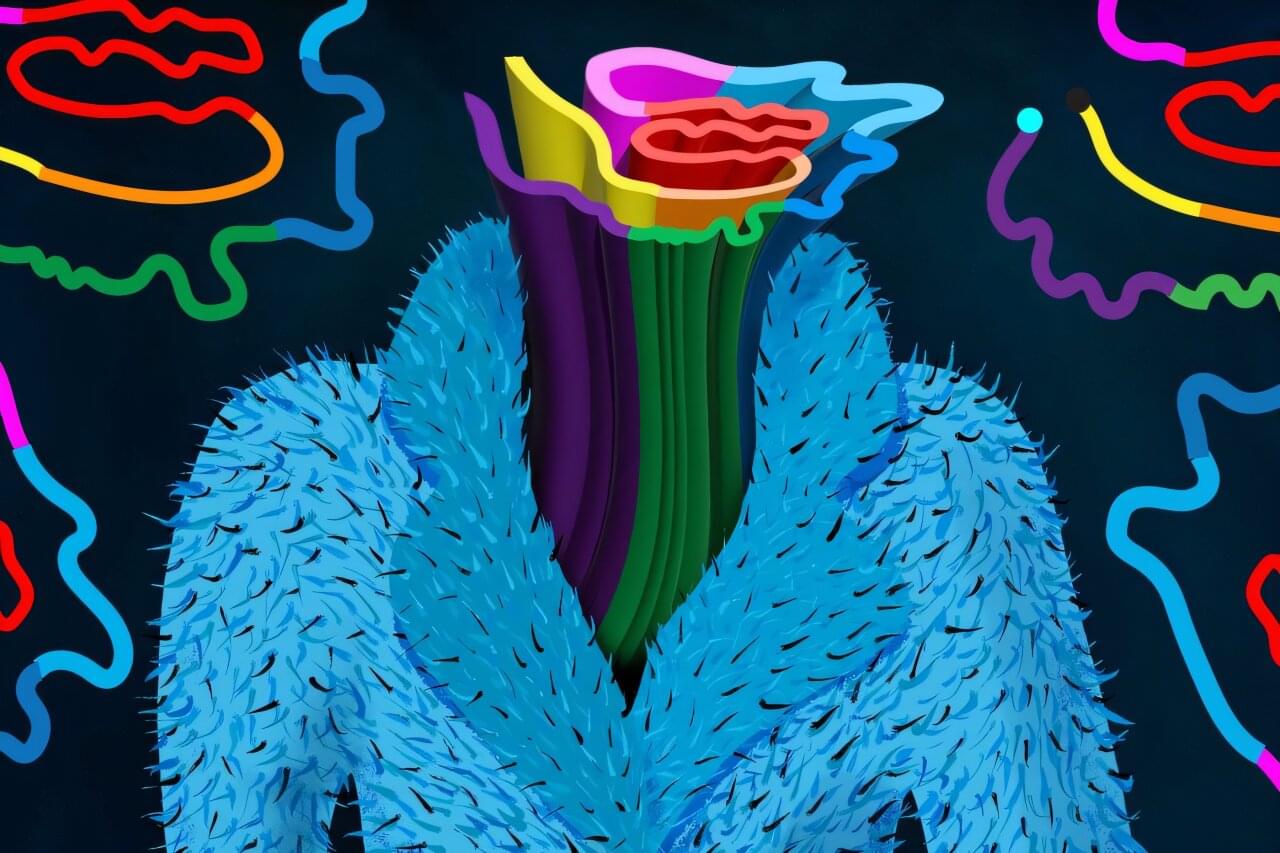
One of the hallmarks of Alzheimer’s disease is the clumping of proteins called Tau, which form tangled fibrils in the brain. The more severe the clumping, the more advanced the disease is.
The Tau protein, which has also been linked to many other neurodegenerative diseases, is unstructured in its normal state, but in the pathological state it consists of a well-ordered rigid core surrounded by floppy segments. These disordered segments form a “fuzzy coat” that helps determine how Tau interacts with other molecules.
MIT chemists have now shown, for the first time, they can use nuclear magnetic resonance (NMR) spectroscopy to decipher the structure of this fuzzy coat. They hope their findings will aid efforts to develop drugs that interfere with Tau buildup in the brain.