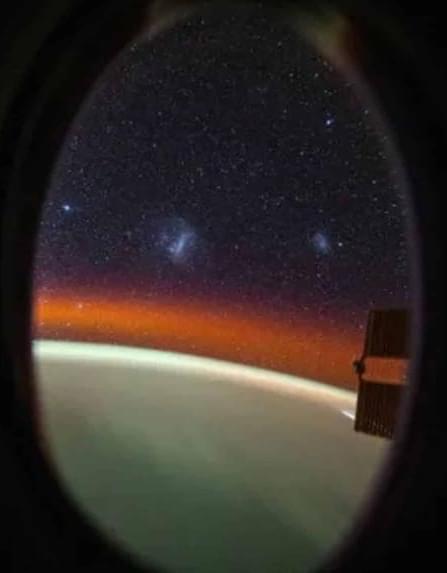
NASA astronaut Don Pettit captured a stunning long-exposure photograph of two nearby galaxies—the Large Magellanic Cloud and the Small Magellanic Cloud—from the SpaceX Crew Dragon capsule. This rare shot offers a unique view of these galaxies, located over 160,000 light-years away, visible only from space or the Southern Hemisphere.
Astronauts and commercial space travelers are subject to damaging radiation and microgravity, along with other potential injuries. We need better ways to protect them.
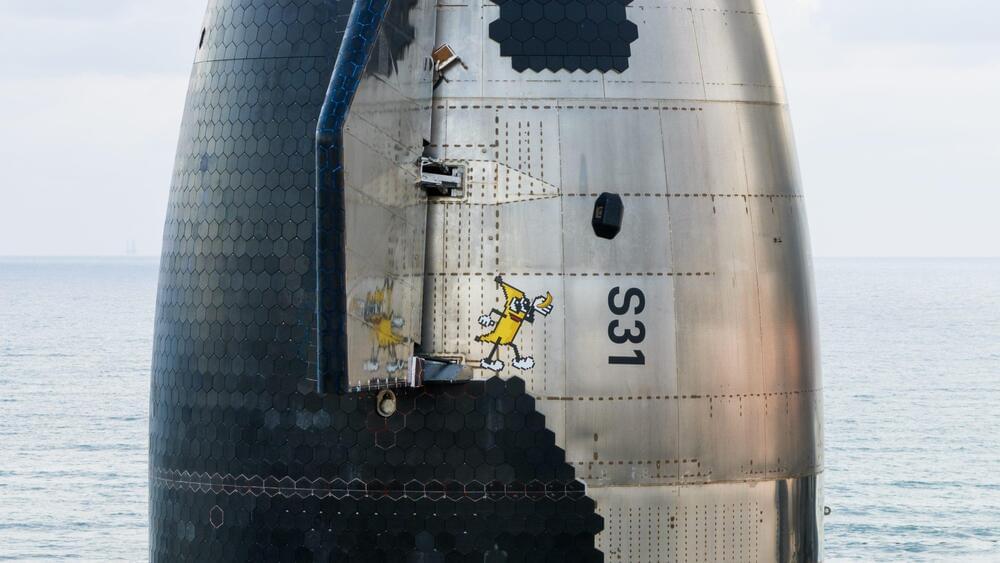
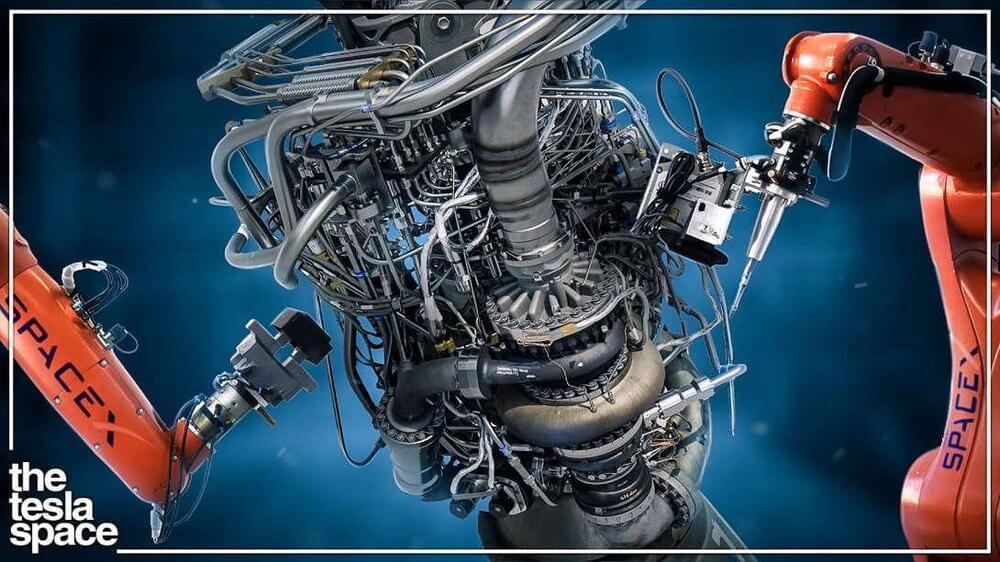
Called the ship’s nosecone, footage from local media spotted this piece being welded by robots at SpaceX’s facilities in Boca Chica, Teas. These facilities are part of a sprawling complex called Starbase, and they include manufacturing, assembly and testing facilities for the world’s largest rockets.
SpaceX has already started operations at its massive Starfactory. Some operations at the plant include inspecting the thousands of heatshield tiles on the nosecone after they are installed. For Starship Flight 7 and beyond, SpaceX will use upgraded heatshield tiles and a new design for the upper stage to improve its reliability during reentry.
Footage from local media in Texas shows workers and robots working on the Starship nosecone for what is presumably a component for a rocket destined for a future flight. SpaceX’s welding robot is clearly visible as it makes small changes to the nosecone, leading to barely visible sparks. Technicians, on the other hand, work on the nosecone with heatshield tiles installed.
To get started planning a career that works on one of the world’s most pressing problems, sign up now at https://80000hours.org/isaacarthur. The Medusa Starship Drive offers us the chance to sail between the stars, propelled by nuclear bombs.
Credits: The Medusa Spaceship Drive. Episode 476; December 5, 2024 Produced, Narrated \& Written: Isaac Arthur. Graphics: Bryan Vertseeg, Ken York YD Visual, Rapid Thrash. Select imagery/video supplied by Getty Images. Music Courtesy of Epidemic Sound http://epidemicsound.com/creator. Brandon Liew, \
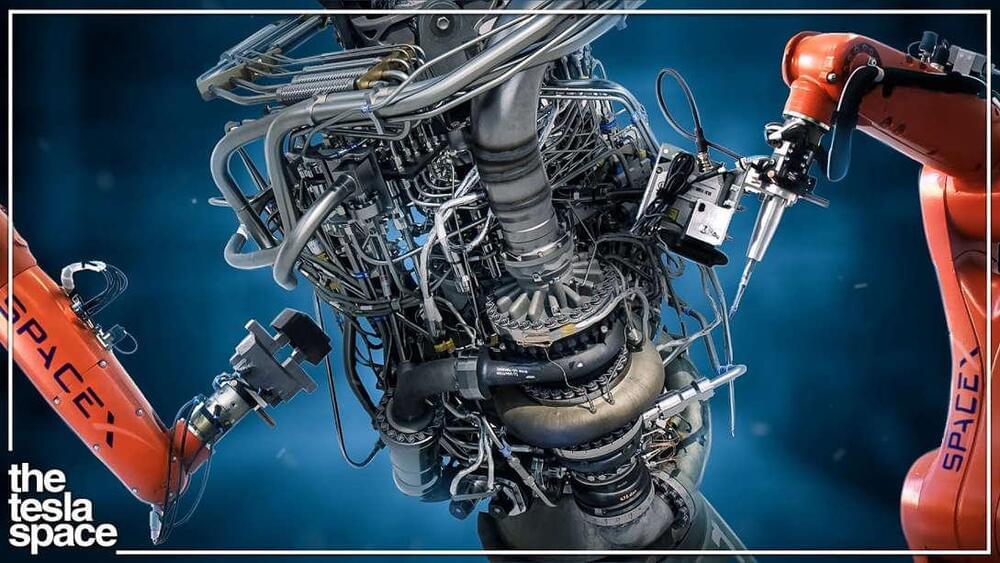
Discover how SpaceX is achieving the impossible: producing one Raptor engine every 24 hours. From rapid iteration and innovative materials to the McGregor testing facility, learn what makes this engine the muscle behind the Starship program.
🚀 Q: How will Jared Isaacman’s background influence NASA’s future direction? A: Isaacman’s experience as a business leader, philanthropist, pilot, and astronaut will drive NASA towards a bold era of space economy development, focusing on groundbreaking achievements in space science, technology, and exploration.
🌠 Q: What is Isaacman’s vision for NASA’s mission? A: He aims to pursue a thriving space economy, transforming humanity into a space-faring civilization with breakthroughs in manufacturing, biotechnology, mining, and potentially new energy sources.
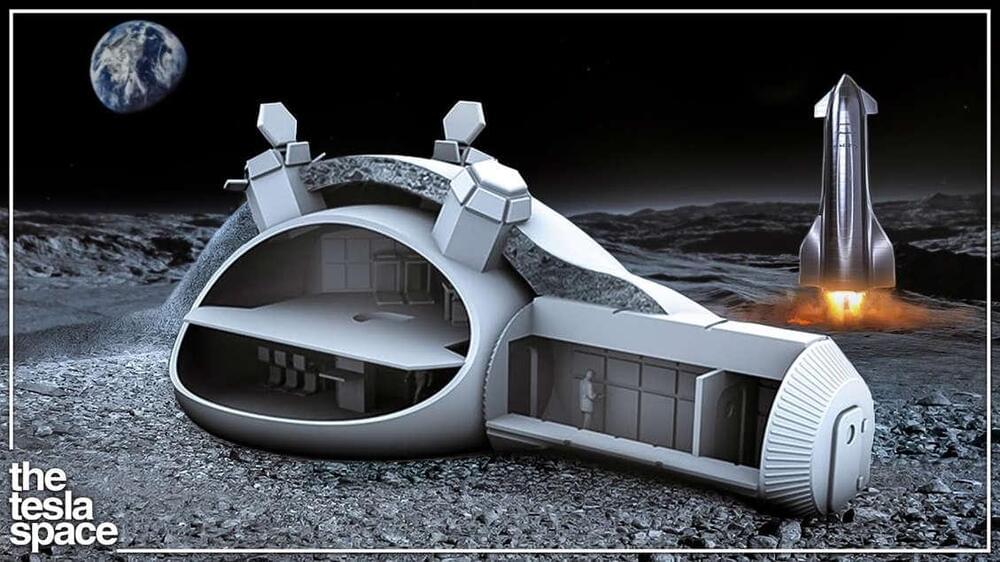
How will NASA and SpaceX establish a permanent presence on the Moon? Dive into the details of the Artemis program, the Starship lunar lander, and the ambitious plans to create a lunar base. It’s the dawn of a new era in space exploration!
Space exploration is a dangerous business, especially when squishy living organisms, such as humans, are involved. NASA has always prided itself on how seriously it takes the safety of its astronauts, so as it gears up for the next big push in crewed space exploration, the Artemis program, it is looking for solutions to potentially catastrophic situations that might arise. One such catastrophe would be if one of the Artemis astronauts was incapacitated and couldn’t return to the lander. The only person who could potentially be able to save them would be their fellow astronaut, but carrying a fully suited human back to their base of operations would be a challenge for an astronaut similarly kitted out in their own bulky suit. So, NASA decided to address it as precisely that – a challenge – and ask for input from the general public, offering up to $20,000 for the best solution to the problem.
The challenge, “South Pole Safety: Designing the NASA Lunar Rescue System,” was announced on November 14th and accepts entries until January 23rd, 2025. It awards $45,000 to at least three winners, including $20,000 to the first-place winner. So, what does the challenge actually involve?
The work product is a design document for a system capable of moving fully suited astronauts at least two kilometers up a 20-degree slope without being attached to a rover. Oh, and it has to be able to operate in the harsh conditions of the lunar south pole.