Toggle light / dark theme

MIT group reveals design for 3D printed fibreglass structures on Mars

Last month, NASA announced the winner of its 3D Printed Habitat Challenge, a competition in which entrants were tasked to develop architectural concepts. These concepts were to implement 3D printing techniques for the construction of habitats on Mars, using materials that could be sourced from the Red Planet itself.

The 3D Printed Habitat Challenge received 165 submissions, with the thirty highest scoring entries being displayed at the New York Maker Faire on September 27th. The overall winner and recipient of the $25,000 grand prize was Team Space Exploration Architecture and Clouds Architecture Office with their Mars Ice House design. The runners up were Team Gamma, who received $15,000, whilst third place was awarded to Team LavaHive.

“The creativity and depth of the designs we’ve seen have impressed us,” said Centennial Challenges Program Manager Monsi Roman. “These teams were not only imaginative and artistic with their entries, but they also really took into account the life-dependent functionality our future space explorers will need in an off-Earth habitat.”

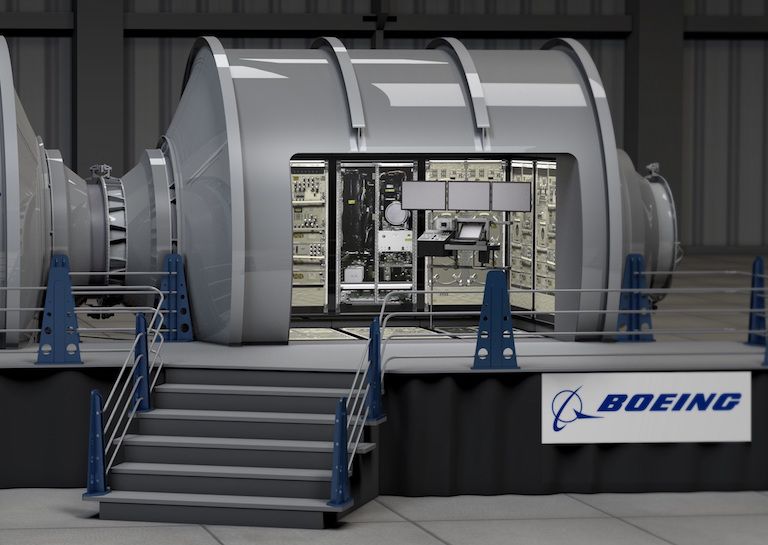
NASA Building Deep Space Habitats with Private Companies on Earth

Continuing on with NASA’s trend of contracting work out to private companies, they have just started accepting bids and designs to create space habitats. The habitat selected will eventually house astronauts in future space missions, and possibly those that go to Mars. In their initial announcement, NASA has shown 6 different companies along with each’s design. This is all part of the NextSTEP-3 program.

Cubesat | MarCO

Mars Cube One (MarCO) Mission Overview Engineers for NASA’s MarCO technology demonstration check out a full-scale mechanical mock-up of the small craft in development as part of NASA’s next mission to Mars. Mechanical engineer Joel Steinkraus and systems engineer Farah Alibay are on the team at NASA…

Commercial Space Travel And Colonization: SpaceX, NASA, And NextSTEP Make Preparations For Lift Off

Commercial space travel is about to become a reality brought about by many private companies bent on taking their earthbound successes into space. The FAA is now open to granting permits to private companies to travel into space. It is hoped that this activity will lead to the colonization of Mars.

Elon Musk of SpaceX has the goal of beginning the colonization of Mars in the next decade. He plans to make commercial space travel and colonization a reality in his lifetime, according to The Washington Post. Mr. Musk is the mastermind behind both Tesla and SpaceX. He is one of the most brilliant minds of our time. An innovator and businessman, Elon has a track record of making dreams a reality and turning his plans into tangible results. Comparing his project to the colonization of America, Mr. Musk explains why he thinks people will agree to move to mars.

“The months-long journey is sure to be hard, risky, dangerous, difficult, [but] just as with the establishment of the English colonies, there are people who love that. They want to be the pioneers.”

First commercial asteroid mining mission set to begin before 2020

It’s a scouting mission. I wonder how much this will cost since this is not a sample return.


Asteroid mining company Deep Space Industries (DSI) has announced the first commercial mission to a near-Earth asteroid, with launch planned by the end of the decade.

deep space industries

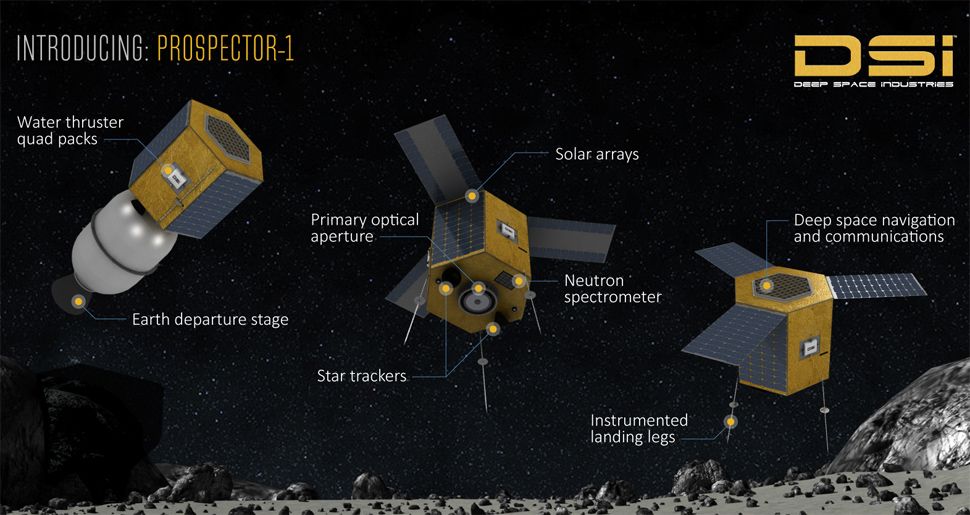
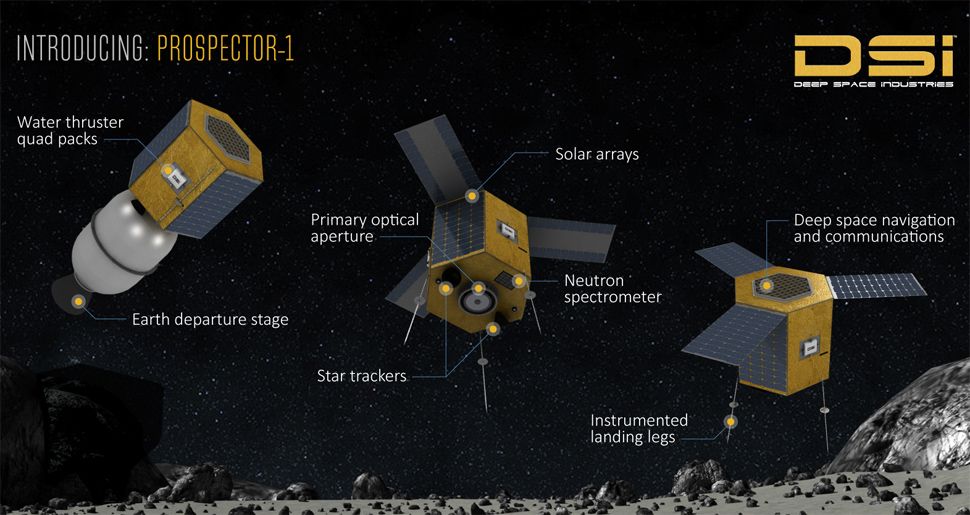
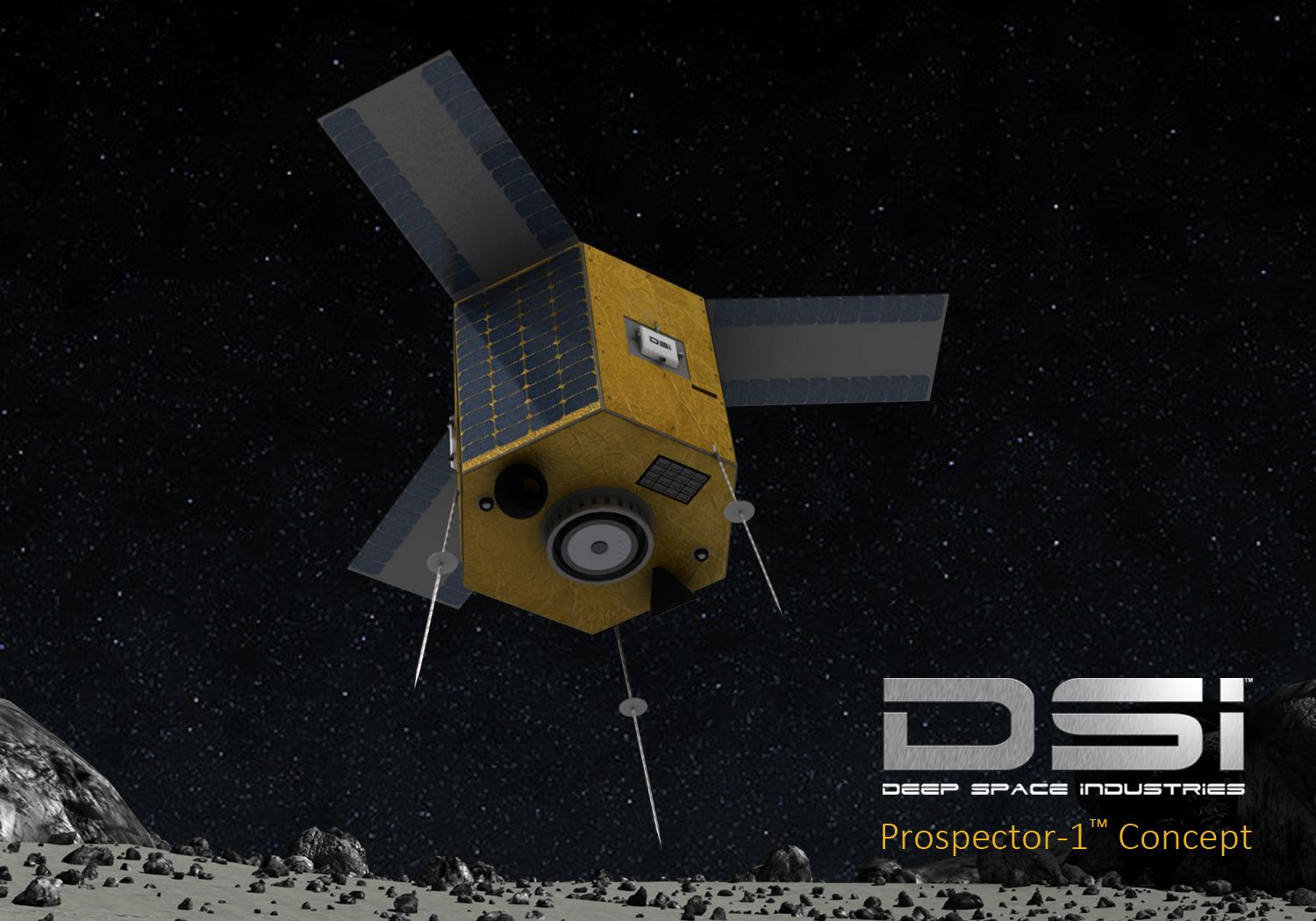
Deep Space Industries has announced its plans to fly the world’s first commercial interplanetary mining mission. A spacecraft known as “Prospector-1” will fly to and rendezvous with a near-Earth asteroid, investigate the object and determine its value as a source of space resources. This mission will be an important step in the company’s longer term plans to harvest and supply in-space resources to support the growing space economy.

Prospector-1™

1™, the world’s first commercial interplanetary mining mission, will fly to and rendezvous with a near-Earth asteroid to determine its value as a source of space resources. The destination asteroid will be chosen from a group of top candidates selected by the world renowned team of asteroid experts at Deep Space Industries.

Once the spacecraft arrives at the asteroid, the autonomous spacecraft will map the surface and subsurface, taking visual and infrared imagery and mapping overall water content. With the initial science campaign complete, Prospector-1 will use its water thrusters to gently touch down on the asteroid, measuring the target’s geophysical characteristics.

Prospector-1 is a small spacecraft that strikes the ideal balance between cost and performance. In addition to radiation-tolerant payloads and avionics, all DSI spacecraft notably use the Comet line of water propulsion systems, which expel superheated water vapor to generate thrust. Water will be the first asteroid mining product, so using water as propellant will provide future DSI spacecraft with the ability to refuel in space.

/* */