Toggle light / dark theme

Solar-powered reactor shows potential for creating jet fuel with net-zero carbon emissions

Increasing energy demands and problems associated with burning fossil fuels have heightened interest in more sustainable energy sources, such as sunlight. But there are still areas where carbon-based fuel remains the standard, such as in the aviation industry. To address this need, scientists have been working to devise a way to use sunlight to generate solar-thermal heating that could then drive the chemical reactions that are needed to make jet fuel with net-zero carbon emissions.

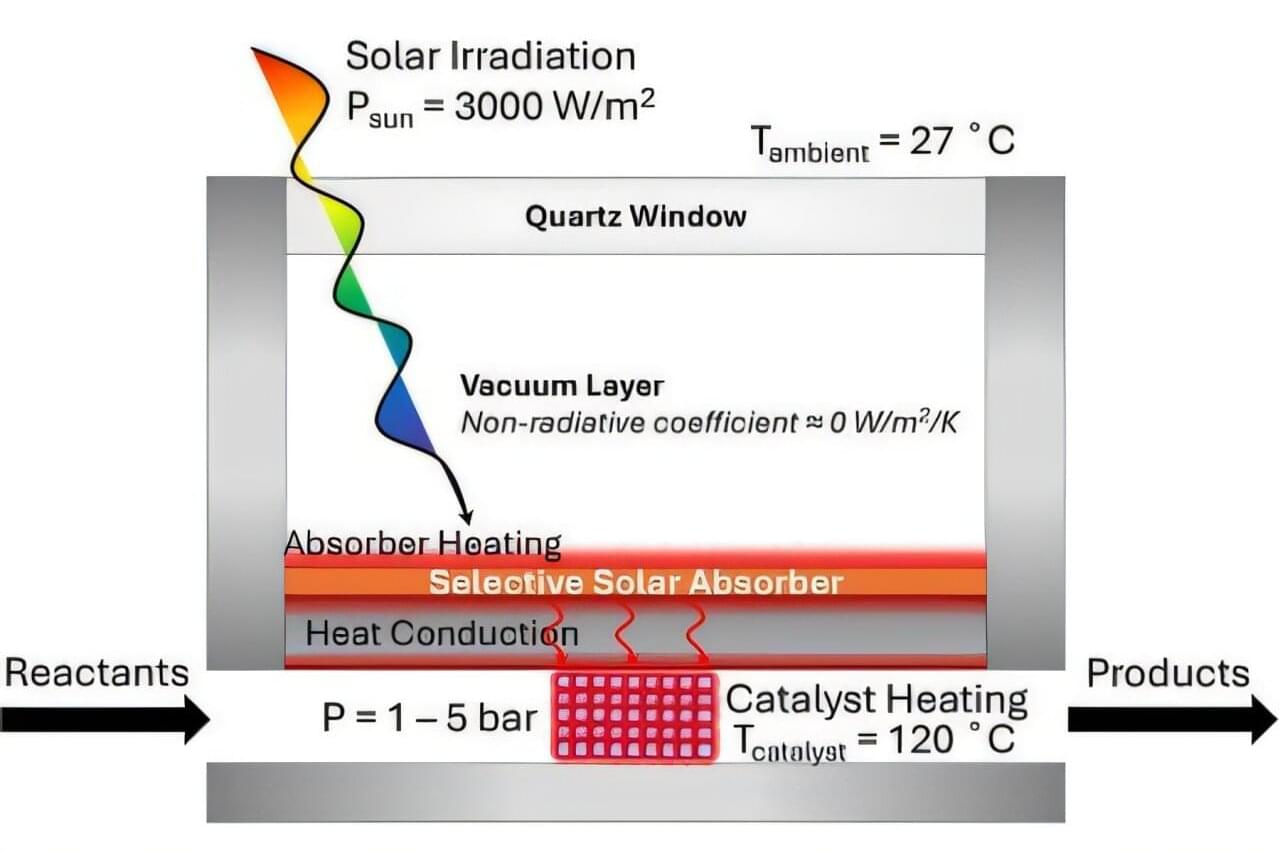
Now, a team at Caltech that is part of a Department of Energy (DOE) Energy Innovation Hub known as the Liquid Sunlight Alliance, or LiSA, has developed such a solar-thermal heating system on a small scale and demonstrated that it can successfully drive an important reaction for jet fuel production.

Completely powered by solar energy, the so-called photothermocatalytic reactor incorporates a spectrally selective solar absorber to maximize the generation of solar-thermal heating. The modular design of the reactor takes advantage of current fabrication technologies and existing silicon solar panel production infrastructure.

Machine learning uncovers hidden heat transport mechanisms in organic semiconductors

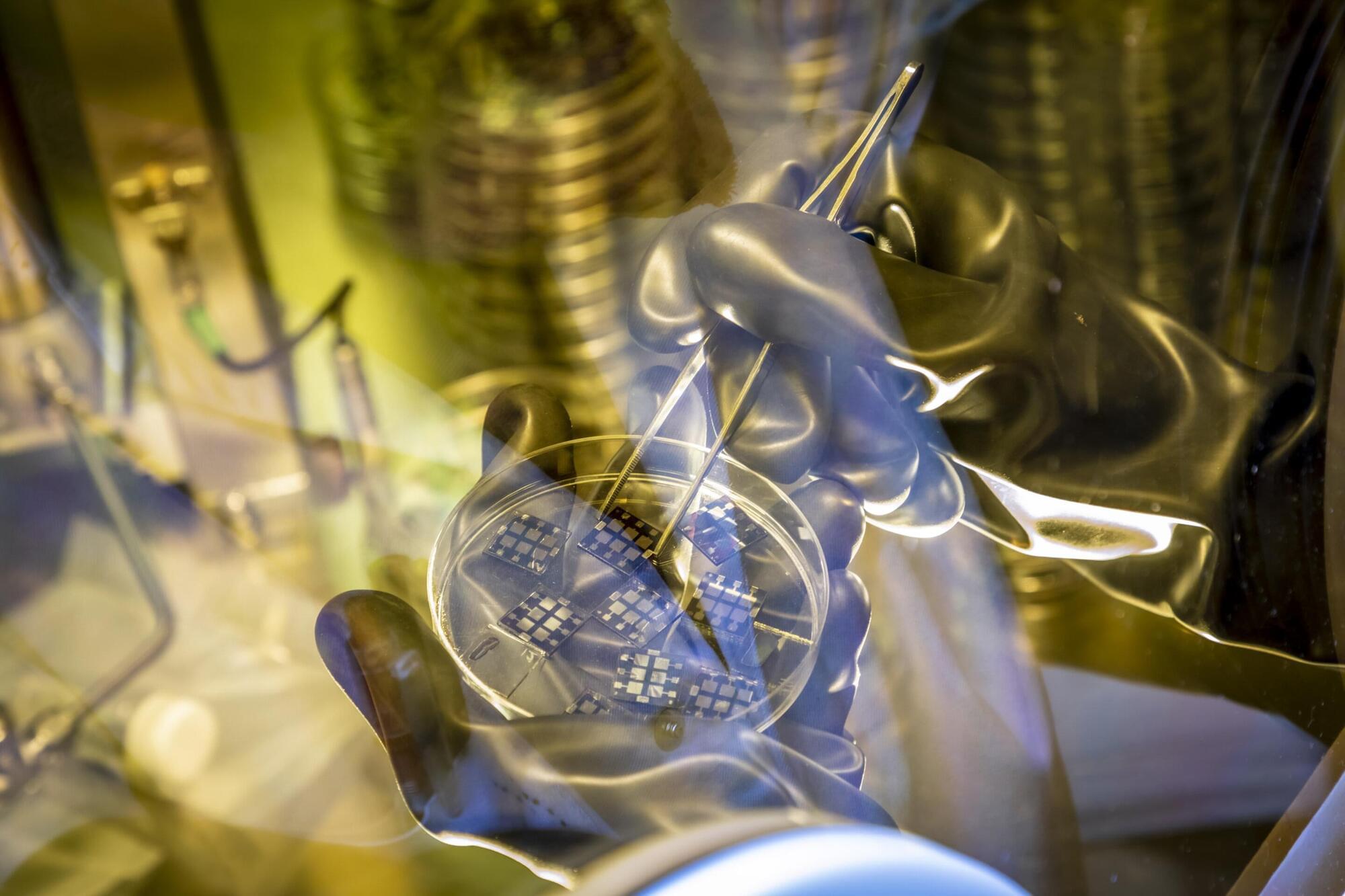
Complex materials such as organic semiconductors or the microporous metal-organic frameworks known as MOFs are already being used for numerous applications such as OLED displays, solar cells, gas storage and water extraction. Nevertheless, they still harbor a few secrets. One of these has so far been a detailed understanding of how they transport thermal energy.

Egbert Zojer’s research team at the Institute of Solid State Physics at Graz University of Technology (TU Graz), in collaboration with colleagues from TU Vienna and the University of Cambridge, has now cracked this secret using the example of organic semiconductors, opening up new perspectives for the development of innovative materials with customized thermal properties.

The team has published its findings in npj Computational Materials.

Blue Ghost lander captures stunning sunset shots on the moon before falling silent

A private lunar lander has captured the first high-definition sunset pictures from the moon.

Firefly Aerospace and NASA released the stunning photos Tuesday, taken before the Blue Ghost lander fell silent over the weekend. One shot included Venus in the distance.

Firefly’s Blue Ghost landed on the on March 2, the first private spacecraft to touch down upright and perform its entire mission. It kept taking pictures and collecting science data five hours into the lunar night before it died for lack of solar energy.

Electrode design could prevent explosions in next-gen batteries, allowing 1,000 km on a single charge

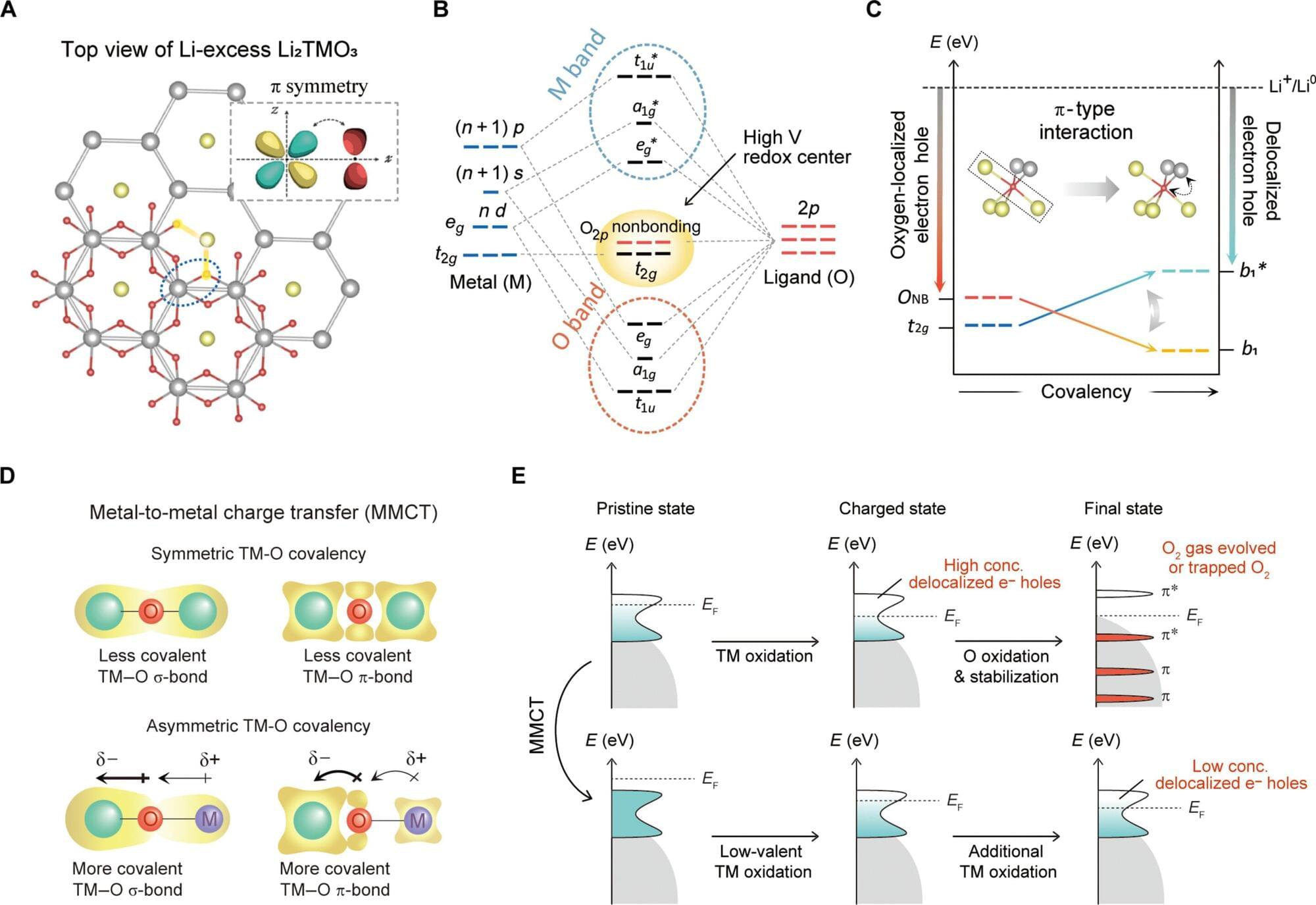
A research team at UNIST has identified the causes of oxygen generation in a novel cathode material called quasi-lithium and proposed a material design principle to address this issue.

Quasi-lithium materials theoretically enable batteries to store 30% to 70% more energy compared to existing technologies through high-voltage charging of over 4.5V. This advancement could allow to achieve a of up to 1,000 km on a single charge. However, during the high-voltage charging process, oxygen trapped inside the material can oxidize and be released as gas, posing a significant explosion risk.

The research team, led by Professor Hyun-Wook Lee in the School of Energy and Chemical Engineering, discovered that oxygen oxidizes near 4.25V, causing partial structural deformation and gas release.

Hydrogen-powered boats offer climate-friendly alternative to road transport

Cargo transport is responsible for an enormous carbon footprint. Between 2010 and 2018, the transport sector generated about 14% of global greenhouse gas emissions. To address this problem, experts are looking for alternative, climate-friendly solutions—not only for road transport, but also for shipping, a sector in which powering cargo ships with batteries has proved especially difficult.

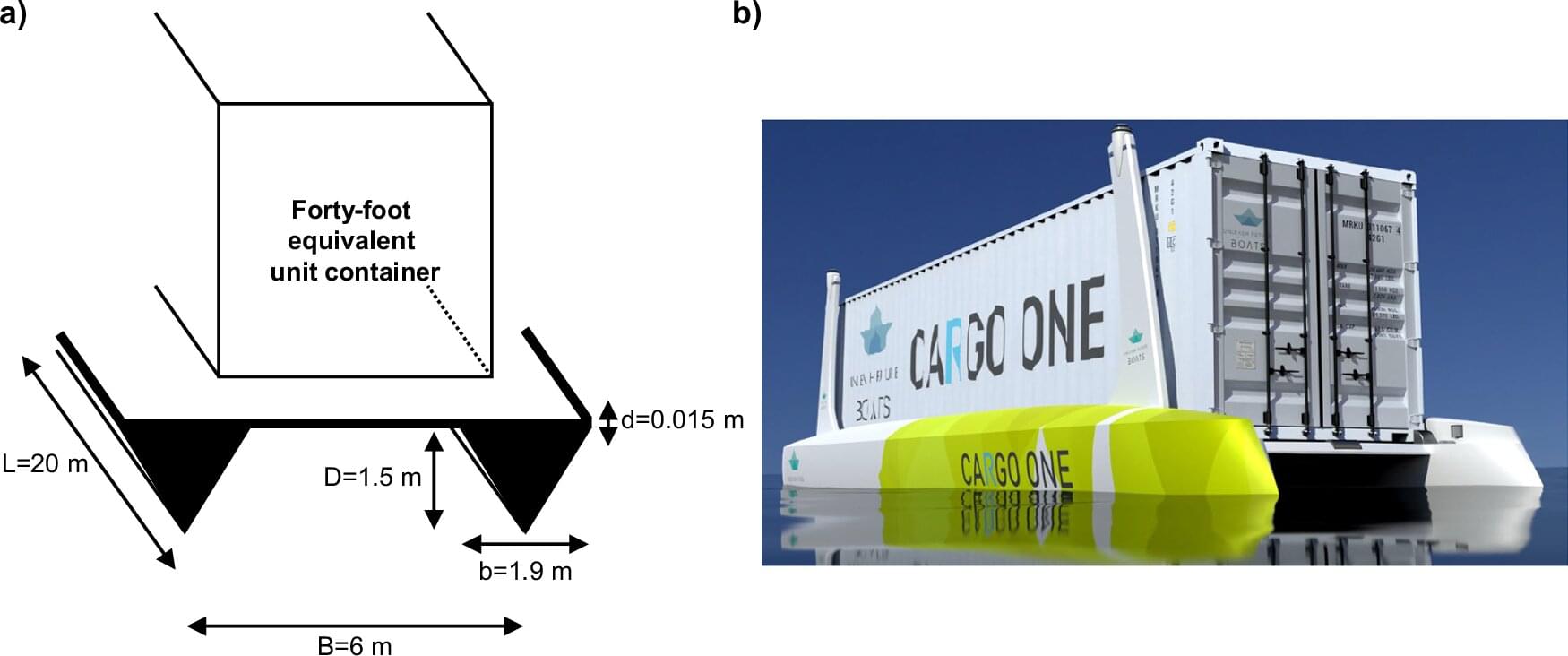
One promising but under-researched solution involves small, autonomous, hydrogen-powered boats that can partially replace long-haul trucking. A research team led by business chemist Prof Stephan von Delft from the University of Münster has now examined this missing link in a new study published in Communications Engineering.

The team has mathematically modeled such a boat for the first time and carried out a - and cost analysis. “Our calculations show in which scenarios hydrogen-powered boats are not only more sustainable but also more economical compared to established transport solutions,” explains von Delft. “They are therefore relevant for policymakers and industry.”

Water Futures: Mobilizing Multi-Stakeholder Action for Resilience

Access to freshwater is changing rapidly, with water stress affecting billions of people and countless businesses each year. Droughts and floods are becoming more frequent and severe, water pollution continues to rise and, without urgent action, we will soon reach a tipping point. This report outlines key pathways to strengthen water resilience, through private sector and multi-stakeholder action, and secure the future of water for society and the global economy.

Every industry depends on water. This makes water resilience not just an environmental concern, but a cornerstone of economic stability, business continuity and prosperity. Rising demand, driven by population growth, shifting consumption and the energy transition, is further straining resources. With an economic value estimated at $58 trillion, water’s critical importance and the scale of the challenge cannot be overstated.

No company or government can build water resilience alone. The World Economic Forum’s Water Futures Community brings together public and private sector sectors leaders to accelerate investment and action. In collaboration with McKinsey & Company, this report offers a systems approach for our community of partners to strengthen water resilience and highlights opportunities for collective action to accelerate solutions at scale.

Fighting coastal erosion with electricity

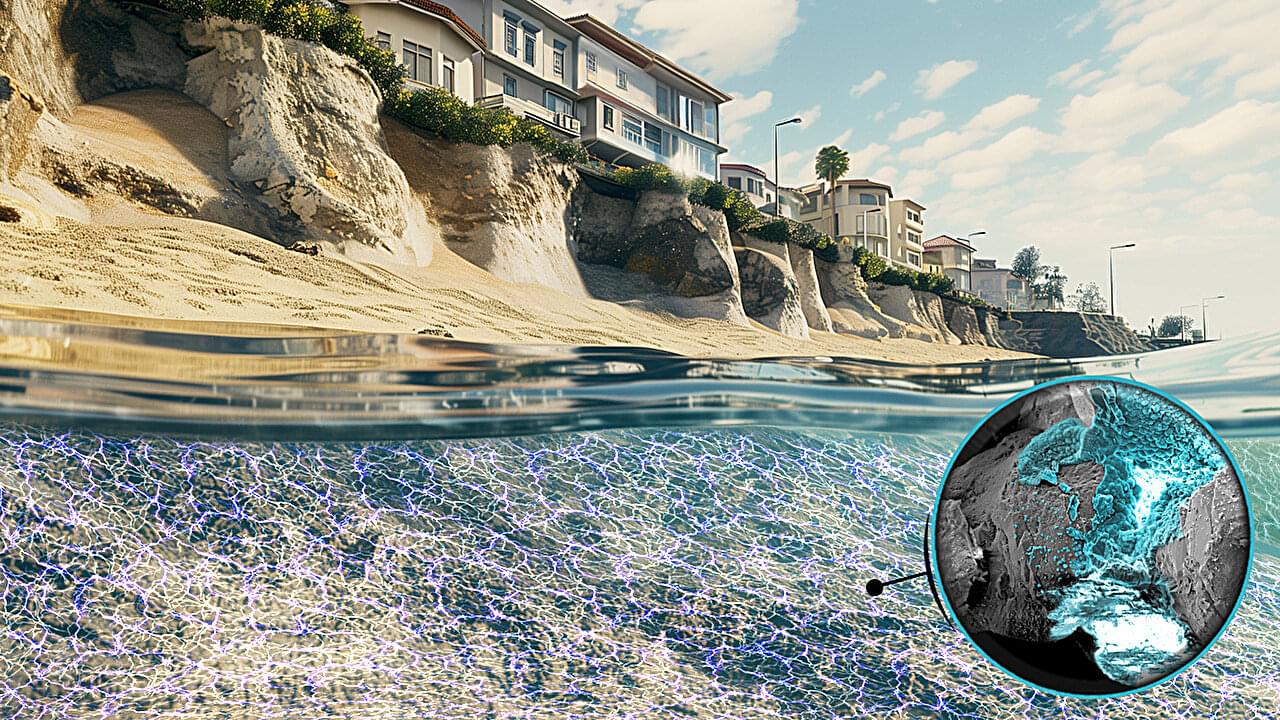
New research from Northwestern University has systematically proven that a mild zap of electricity can strengthen a marine coastline for generations—greatly reducing the threat of erosion in the face of climate change and rising sea levels.

In the new study, researchers took inspiration from clams, mussels and other shell-dwelling sea life, which use dissolved minerals in seawater to build their shells.

Similarly, the researchers leveraged the same naturally occurring, dissolved minerals to form a natural cement between sea-soaked grains of sand. But, instead of using metabolic energy like mollusks do, the researchers used to spur the chemical reaction.

/* */