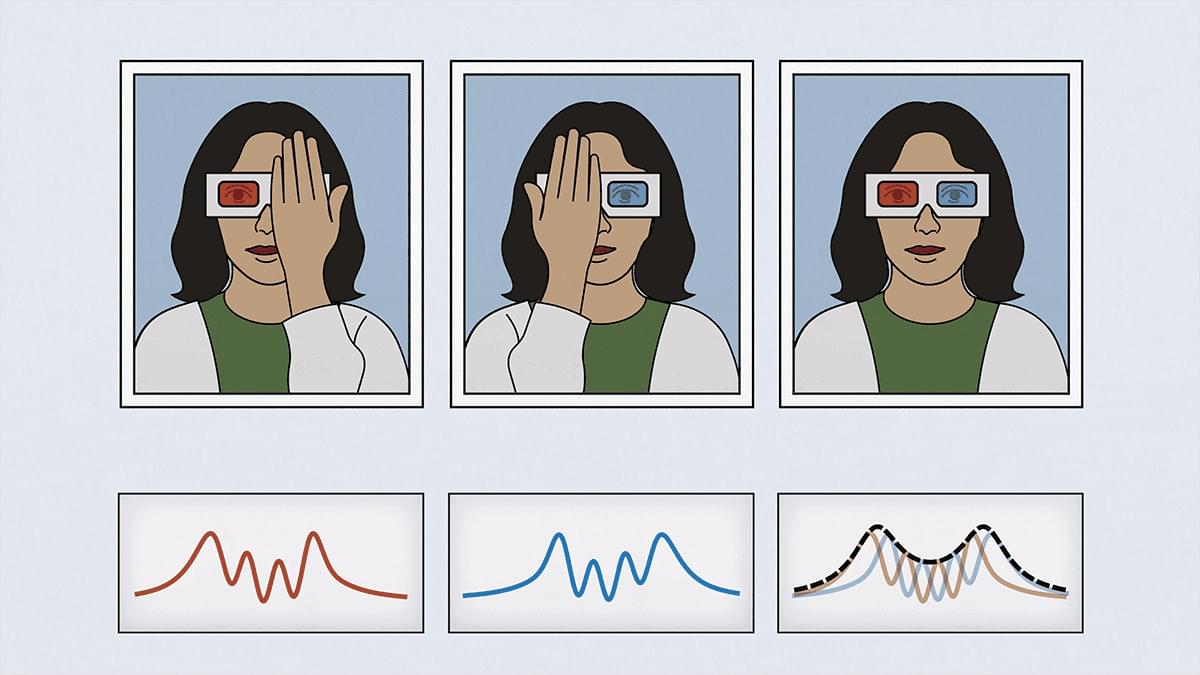
Maria Violaris looks to the past and future of quantum observers and measurements
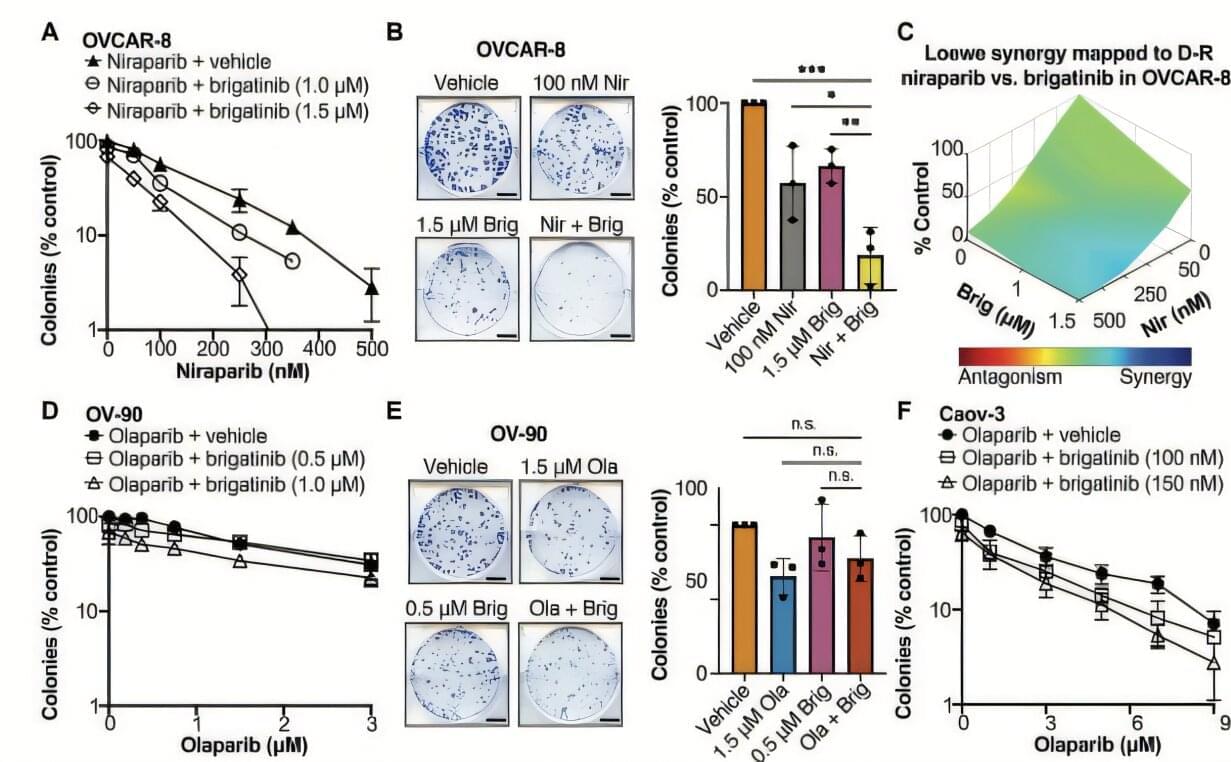
A new study published by Mayo Clinic researchers suggests that ovarian cancer cells quickly activate a survival response after PARP inhibitor treatment, and blocking this early response may make this class of drugs work better. The research is published in the journal Science Translational Medicine.
PARP inhibitors are a common treatment for ovarian cancer and can be especially effective in cancers with impaired DNA repair. However, many tumors eventually stop responding, even when the drugs initially show results. The new research identifies a way cancer cells may survive PARP inhibitor treatment early on, and it points to a potential strategy to block that response.
In the study, researchers found that ovarian cancer cells rapidly activate a pro-survival program after exposure to PARP inhibitors. A key driver of this response is FRA1, a transcription factor that helps turn on genes that allow cancer cells to adapt and avoid cell death.



Today, we’re releasing a major upgrade to Gemini 3 Deep Think, our specialized reasoning mode, built to push the frontier of intelligence and solve modern challenges across science, research, and engineering.
We updated Gemini 3 Deep Think in close partnership with scientists and researchers to tackle tough research challenges — where problems often lack clear guardrails or a single correct solution and data is often messy or incomplete. By blending deep scientific knowledge with everyday engineering utility, Deep Think moves beyond abstract theory to drive practical applications.
The new Deep Think is now available in the Gemini app for Google AI Ultra subscribers and, for the first time, we’re also making Deep Think available via the Gemini API to select researchers, engineers and enterprises. Express interest in early access here.
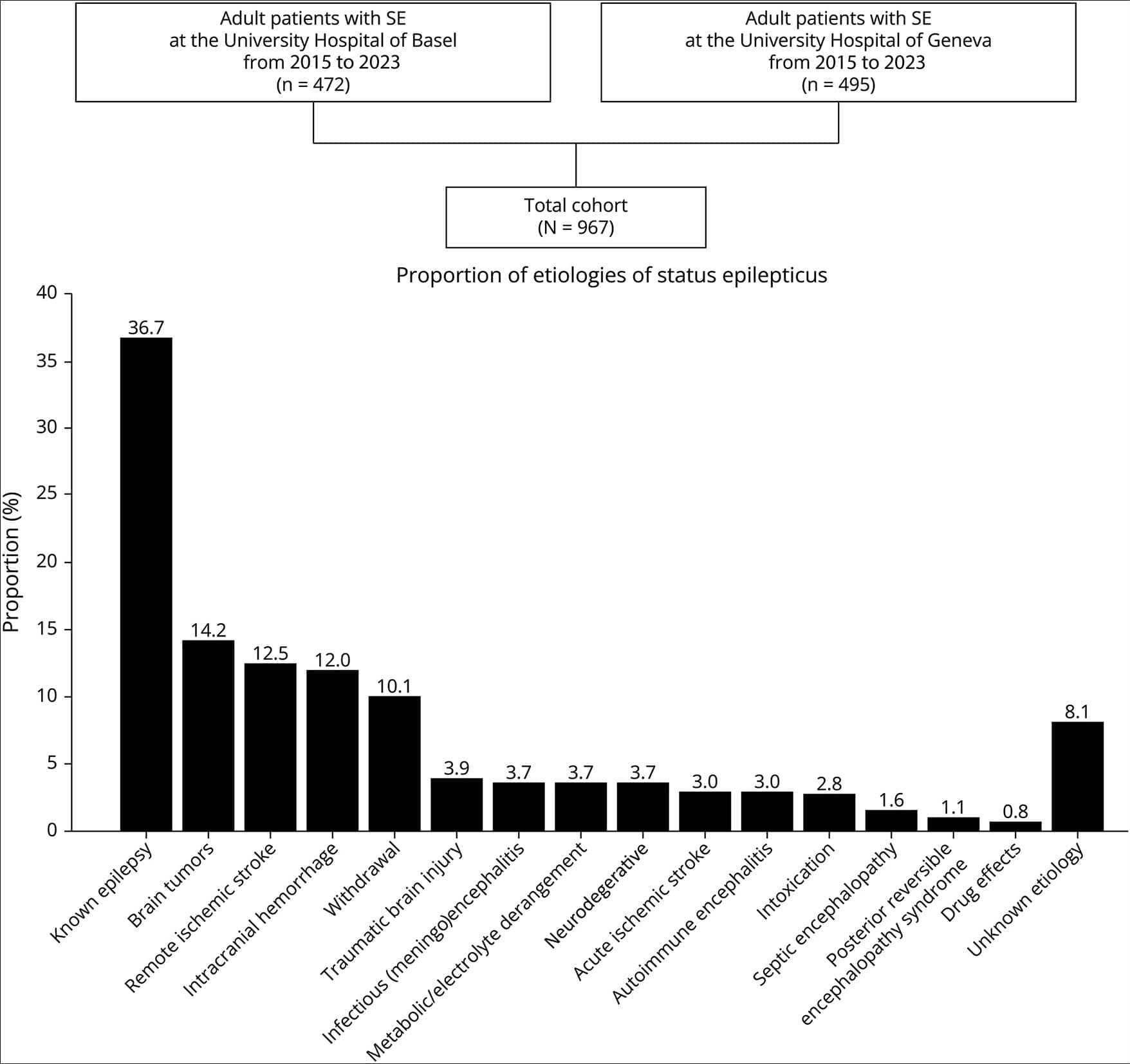

What if we could test spinal cord injury therapies in human tissue without a clinical trial?
It could be possible, as spinal cord organoids derived from human stem cells now replicate real injury responses.
Read more.
Organoids developed from human stem cells modeled spinal cord injuries, providing a powerful in vitro tool to evaluate regenerative therapies for CNS injuries.
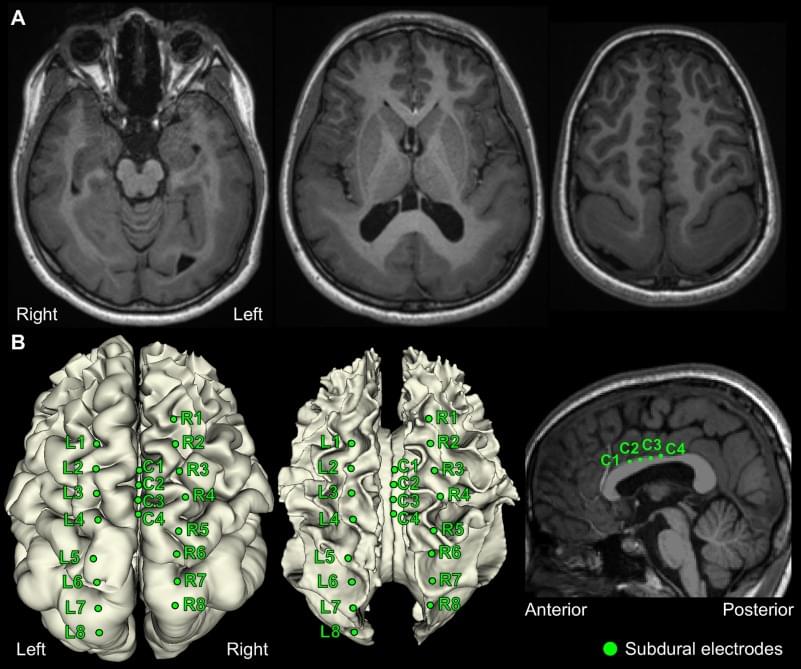
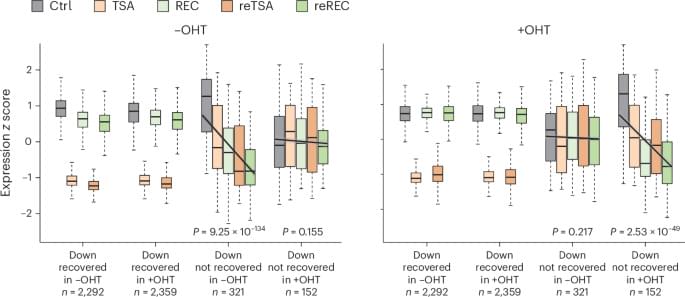
[Functional brain mapping] Mitsuhashi et al.: “Callosal stimulation showed effective connectivity to homologous cortical regions. Sum of callosal-to-cortex propagation latencies matched interhemispheric latency.” Open access.
All content on this site: Copyright © 2026 Elsevier B.V., its licensors, and contributors. All rights are reserved, including those for text and data mining, AI training, and similar technologies. For all open access content, the relevant licensing terms apply.