A better understanding of the bedrock can help researchers calculate how quickly the continent’s melting glaciers might affect sea-level rise


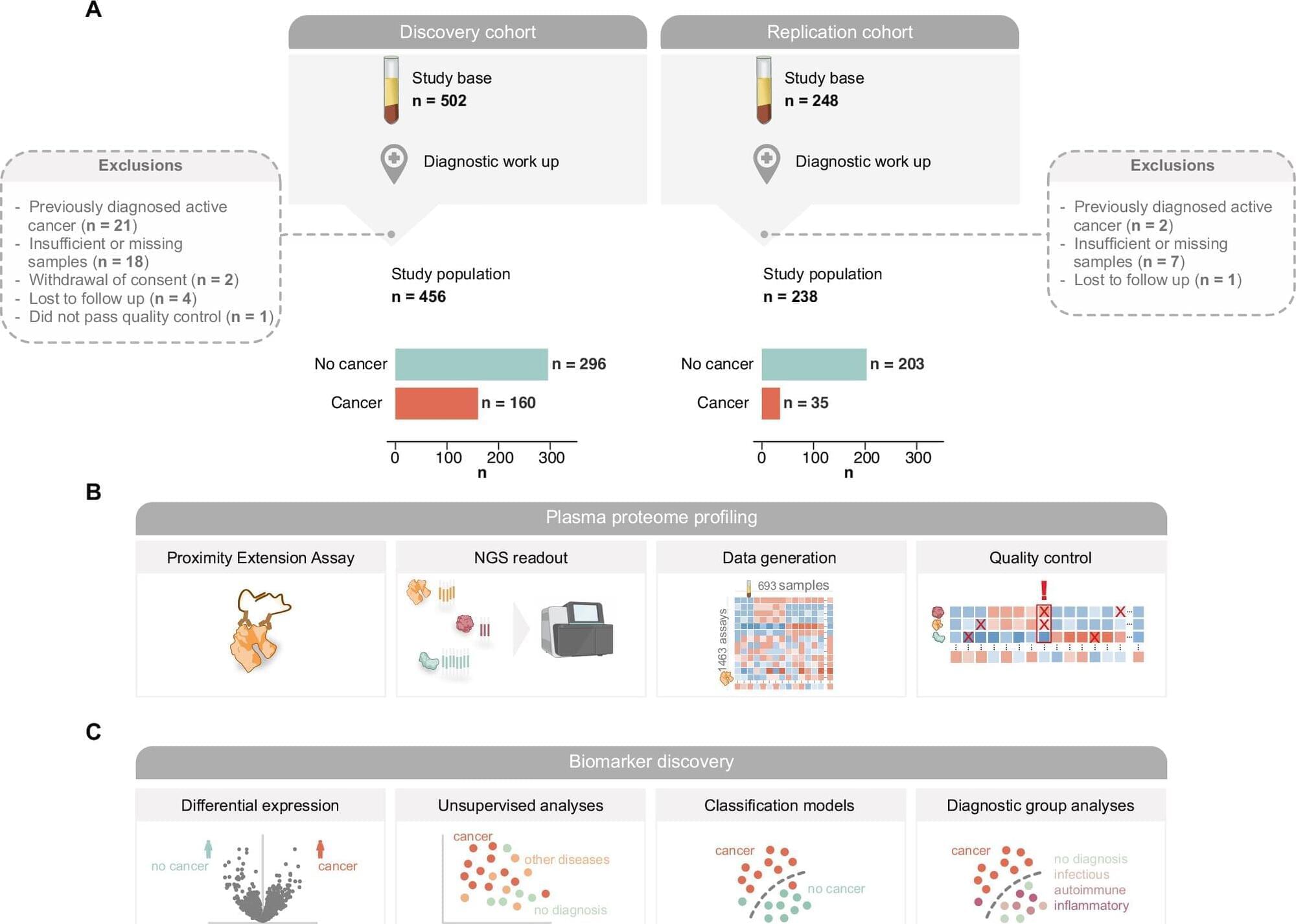
A simple blood test can help detect cancer in patients with non-specific symptoms such as fatigue, pain or weight loss. This is according to a Swedish study from Karolinska Institutet, Danderyd Hospital and others, published in Nature Communications.
When patients seek care for non-specific symptoms such as fatigue, pain or weight loss, it is often difficult to determine whether the cause is cancer, another serious condition or something completely harmless.
In a new study, researchers at Karolinska Institutet and Danderyd Hospital, together with Örebro University, KTH Royal Institute of Technology and SciLifeLab at Uppsala University, have investigated whether proteins in the blood can provide early clues.
How big could space habitats really get? From O’Neill cylinders to Ringworlds and Topopolises, we explore the true limits of megastructure scale.
Get Nebula using my link for 50% off an annual subscription: https://go.nebula.tv/isaacarthur.
Watch my exclusive video Chronoengineering: https://nebula.tv/videos/isaacarthur–… Join this channel to get access to perks: / @isaacarthursfia 🛒 SFIA Merchandise: https://isaac-arthur-shop.fourthwall… 🌐 Visit our Website: http://www.isaacarthur.net ❤️ Support us on Patreon:
/ isaacarthur ⭐ Support us on Subscribestar: https://www.subscribestar.com/isaac-a… 👥 Facebook Group:
/ 1,583,992,725,237,264 📣 Reddit Community:
/ isaacarthur 🐦 Follow on Twitter / X:
/ isaac_a_arthur 💬 SFIA Discord Server:
/ discord Credits: How Big Could a Space Habitat Get? Written, Produced & Narrated by: Isaac Arthur Editor: Tim Liusko Graphics from Fishy Tree, Jarred Eagley, Jeremy Jozwik, J. Dixon, Ken York, Udo Schroeter Music Courtesy of Chris Zabriskie & Stellardrone Select imagery/video supplied by Getty Images Music by Epidemic Sound: http://nebula.tv/epidemic & Stellardrone Chapters 0:00 Intro 2:03 Basics of Habitat Scaling 9:30 Cylinder & Ring Habitats — Linear and Radial Extremes 11:00 Banks Orbitals 12:42 Ringworlds 16:24 Chrono-Engineering 17:24 The Topopolis 21:03 Planet-Wrapping Habitats 22:55 Matrioshka Shellworlds 26:17Alternative & Exotic Designs.
🚀 Join this channel to get access to perks: / @isaacarthursfia.
🛒 SFIA Merchandise: https://isaac-arthur-shop.fourthwall…
🌐 Visit our Website: http://www.isaacarthur.net.
❤️ Support us on Patreon: / isaacarthur.
⭐ Support us on Subscribestar: https://www.subscribestar.com/isaac-a…
👥 Facebook Group: / 1583992725237264
📣 Reddit Community: / isaacarthur.
🐦 Follow on Twitter / X: / isaac_a_arthur.
💬 SFIA Discord Server: / discord.
Credits:
“Joscha Bach Bits” features short videos of Joscha Bach’s ideas, opinions, and perspectives on various topics, edited from interviews.
#JoschaBachBits #Philosophy #CognitiveScience #ComputerScience #ArtificialIntelligence #shorts.
This video is edited from the “Lex Fridman” channel:
https://www.youtube.com/c/lexfridman.
Watch the full interview here:
https://www.youtube.com/watch?v=P-2P3MSZrBM
“Joscha Bach Bits” is not an official channel.
One time donations: https://ko-fi.com/joschabachbits.
Monthly Patreon: https://www.patreon.com/JoschaBachBits
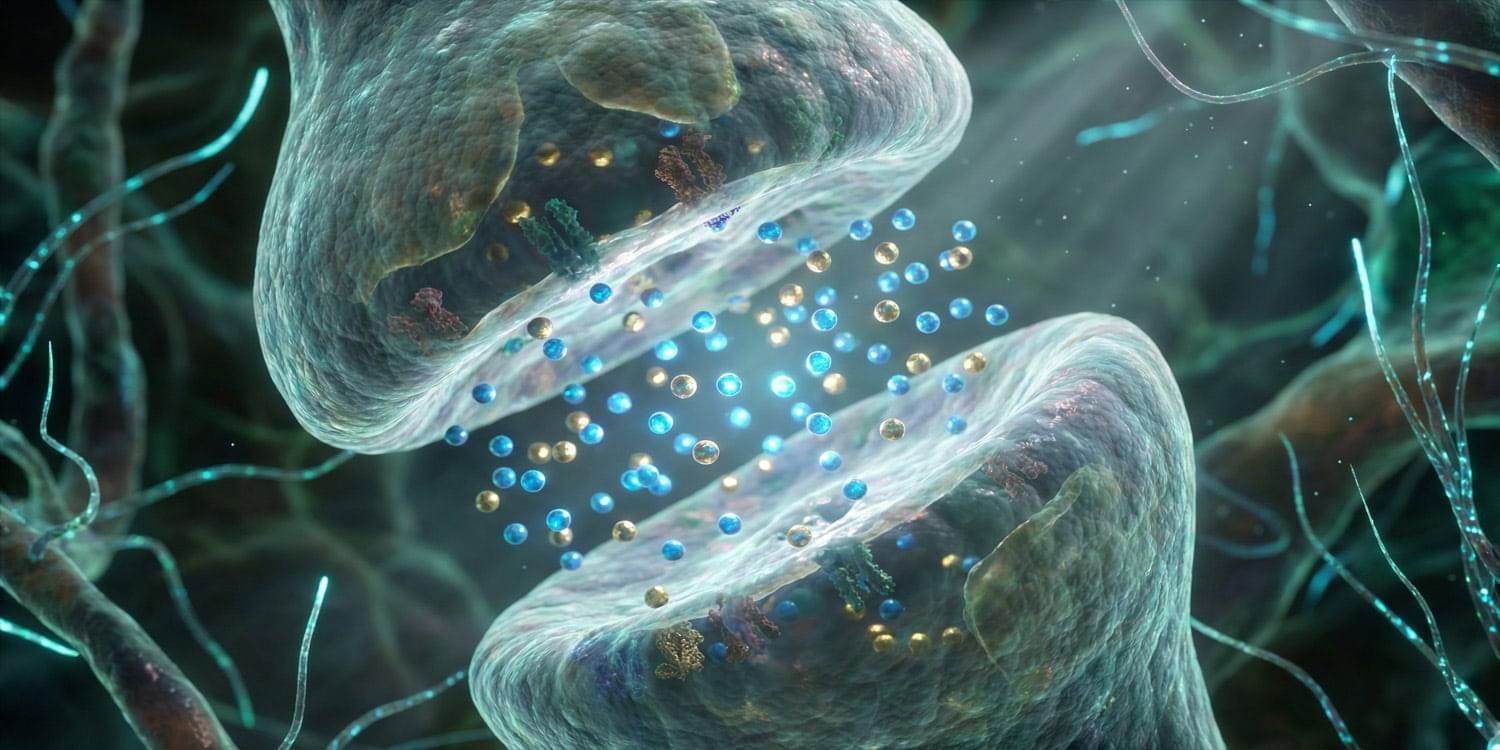

A new detection framework explains how astronomers can isolate extremely slow gravitational wave signals.
By combining subtle distortions in spacetime with observations of unusually bright galactic centers, the study authors have demonstrated a practical method for identifying likely locations of merging supermassive black holes.
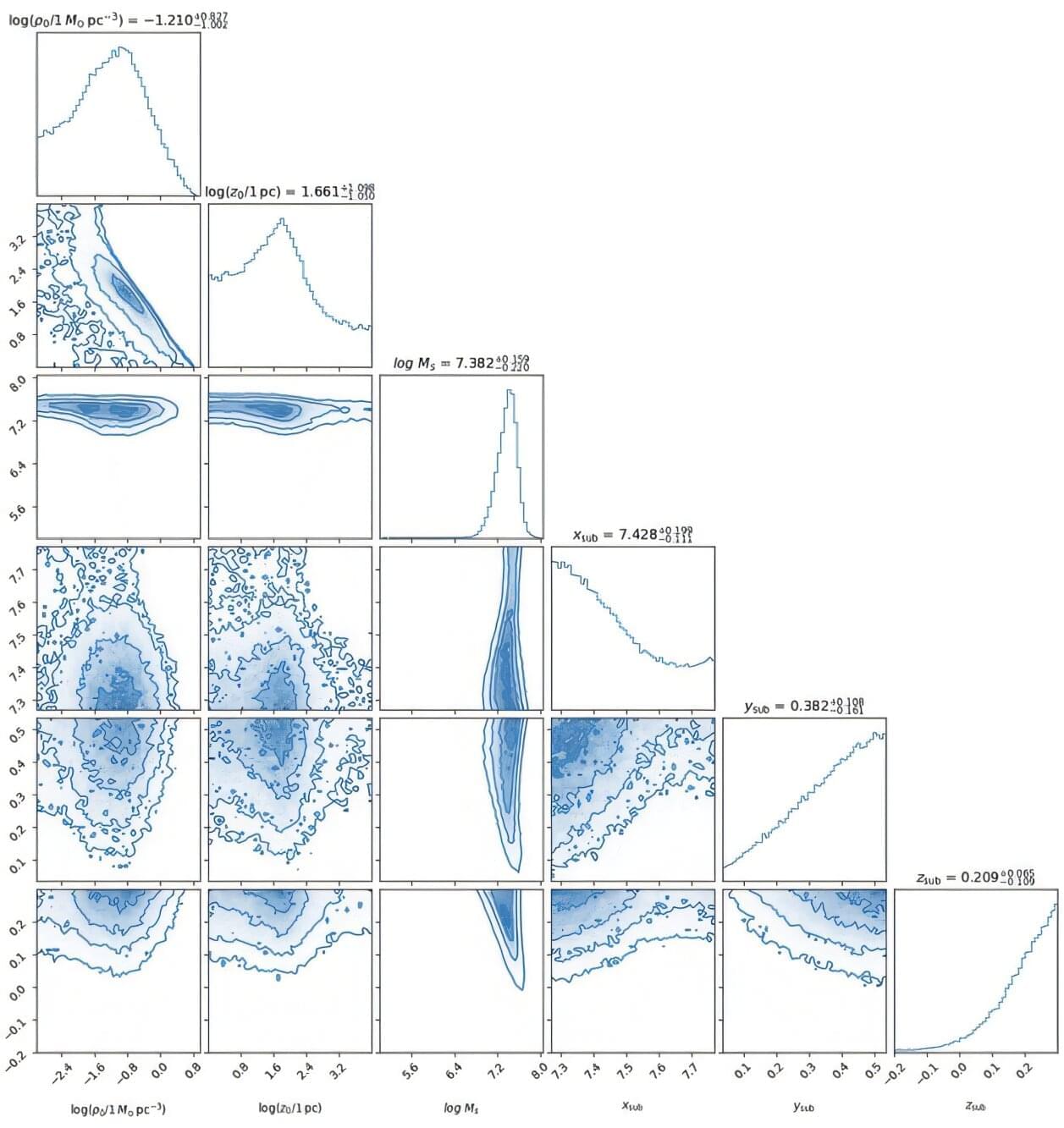
A group of US astronomers may have uncovered the first evidence for a dark matter sub-halo lurking just beyond our stellar neighborhood. Reporting their findings in Physical Review Letters, a team led by Sukanya Chakrabarti at the University of Alabama in Huntsville suggests that an unseen clump of dark matter could be subtly tugging on nearby pulsars. If confirmed, the result could shed new light on the elusive nature of dark matter and how it is distributed throughout our galaxy.
Despite never having been observed directly, astronomers estimate that dark matter makes up around 85% of the total mass of the universe. According to the best available cosmological models, this invisible material forms vast, diffuse “halos” that completely envelop the flat disks of galaxies like the Milky Way. These halos, in turn, should be populated by numerous smaller structures known as dark matter sub-halos.
If theoretical predictions are correct, such sub-halos should be abundant throughout the galaxy. Yet even with masses potentially exceeding tens of millions of times that of the sun, their limited gravitational influence on visible matter has so far made them extraordinarily difficult to detect.

Approximately 4 of 10 cancer cases in 2022 may have been averted by avoiding exposure to key preventable risk factors, according to findings from a global analysis study published in Nature Medicine.1
Of 18.7 million cancer cases recorded in 2022, approximately 7.1 million (37.8%) were linked to modifiable risk factors. Cancer cases due to modifiable risk factors were reported in 29.7% of women with cancer compared with 45.4% of men. The highest cancer burden for female populations was observed in sub-Saharan Africa, where 38.2% of cases were linked to modifiable risk factors; male populations experienced the highest burden in East Asia, where 57.2% of cases were associated with such risk factors.
Across the world, new cancer cases in women were typically linked to infections (11.5%), smoking (6.3%), and high body mass index (BMI; 3.4%). Among men, the most common risk factors associated with cancer cases included smoking (23.1%), infections (9.1%), and alcohol consumption (4.6%).
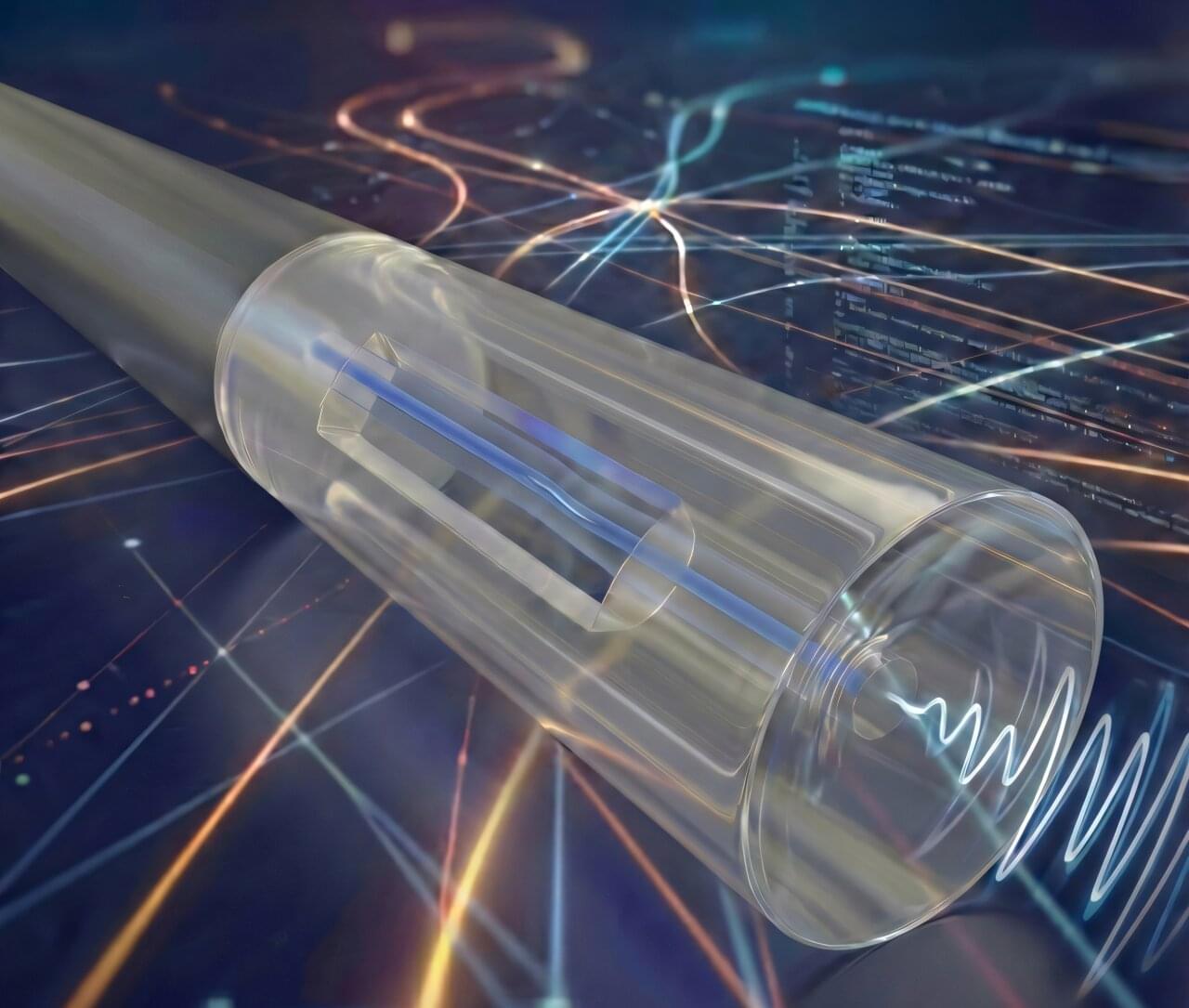
Researchers have fabricated a hair-thin microphone made entirely of silica fiber that can detect a large range of ultrasound frequencies beyond the reach of the human ear. Able to withstand temperatures up to 1,000°C, the device could eventually be used inside high-voltage transformers to detect early signs of failure before power outages occur.
“Conventional electronic sensors often fail under thermal stress or suffer from severe signal interference,” said Xiaobei Zhang, a member of the research team from Shanghai University. “Our all-fiber microphone can survive in hazardous environments and is completely immune to electromagnetic interference while remaining sensitive enough to hear the subtle early warning signals of equipment failure.”
In an article published in Optics Express, the researchers describe their new microphone, which is sensitive to frequencies from 40 kHz to 1.6 MHz. Unlike traditional microphones that rely on bulky housing, the new microphone is entirely integrated within a fiber just 125 microns in diameter.