Toggle light / dark theme

Michael Burton & Prof. Matthias von Herrath — Diabetes Research Inst — Biologically Curing Diabetes

Cure-Focused Diabetes Research — Michael Burton & Prof. Matthias von Herrath — Diabetes Research Institute Foundation.


Michael J. Burton is the CEO of the Diabetes Research Institute Foundation (https://diabetesresearch.org/), a philanthropic organization which funds the Diabetes Research Institute, one of the largest and most comprehensive research centers dedicated to curing diabetes.

A passionate nonprofit executive, Michael has more than 30 years of experience in leading high-impact philanthropic programs and cultivating strategic relationships to secure transformative funding. Prior to assuming the role of CEO at DRIF, Michael advanced the missions of some of the nation’s most dynamic and trusted institutions including Princeton University, The Pew Charitable Trusts and the American Association for Cancer Research (AACR).

Michael’s accomplished nonprofit career includes significant contributions in the advancement of cancer research and care, most recently as President and CEO of Gateway for Cancer Research, a Chicago-based nonprofit engaged in funding early phase clinical research, where he began his tenure as Chief Development Officer. Prior to that, Michael served as Chief Development Officer and Executive Director of the Foundation at the AACR, the nation’s oldest and largest organization dedicated to the prevention and cure of all cancers. Michael’s 15 years of experience in the oncology sector also includes leading the development program at Fox Chase Cancer Center as Senior Vice President and Chief Development Officer.

Before working in the field of oncology, Michael had a distinguished career in higher education, most notably at the University of Pennsylvania, where he served as Special Assistant to the President during the tenure of Judith Rodin, the first female president of an Ivy League institution; and at Temple University, where he held the title of Assistant Dean and lead the development program at the Fox School of Business. Before entering higher education, Michael served as Legislative and Press Assistant to the late Congressman Tom Lantos, the only survivor of the Holocaust ever elected to Congress.
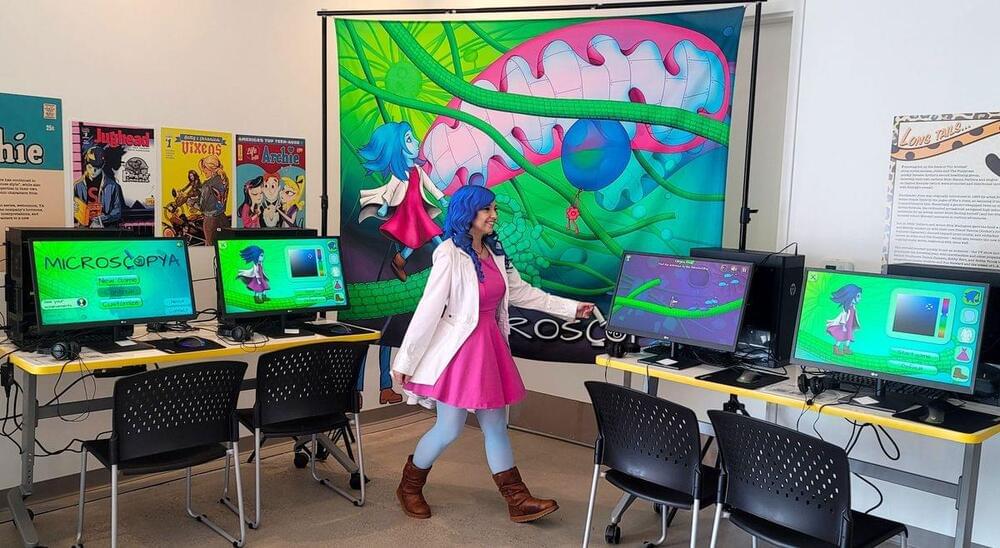
Humanities Research Centers on Artificial Intelligence

DEADLINE APPROACHING! The NEH program is accepting applications through Dec. 11, 2024. For more information, visit.


For organizations in areas affected by Hurricane Helene in FL, GA, SC, NC, VA and TN, optional prospectuses will be accepted until Oct 16th. The prospectus must use the Prospectus Template.

The Humanities Research Centers on Artificial Intelligence program aims to support a more holistic understanding of artificial intelligence (AI) in the modern world through the creation of new humanities research centers on artificial intelligence at eligible institutions. Centers must focus their scholarly activities on exploring the ethical, legal, or societal implications of AI.

A Center supports collaboration among scholars to explore a specific topic through research, as well as spreading knowledge about that research through educational or outreach activities. Centers may include scholars from diverse disciplines, but must be focused on asking humanities questions and should be led by humanists. Scholars may come from one or more institutions. NEH welcomes international collaboration, but scholars at U.S. institutions must contribute significantly to the project. This program is for establishing new Centers; existing Centers and Institutes are not eligible in this competition. Only one application per institution is permitted in this competition. For the purposes of this limitation, branch campuses are considered separately and each may submit one application.

Making quantum physics easier to digest in schools: Experts encourage focus on two-state systems

A team of physics educators from Italy, Hungary, Slovenia and Germany is focusing on a new approach to teaching quantum physics in schools. Traditional classroom teaching has tended to focus on presenting the history of the origins of quantum physics, which often poses problems for learners.

Using the quantum measurement process as an example, the researchers have now published their first empirical findings on learning —based on two-state systems—in Physical Review Physics Education Research.

The researchers, including physics education specialist Professor Philipp Bitzenbauer from Leipzig University, concentrate on what are known as qubits. These are two-state systems, the simplest and at the same time most important quantum systems that can be used to describe many situations. Controlling and manipulating these qubits plays a central role in modern quantum technologies.

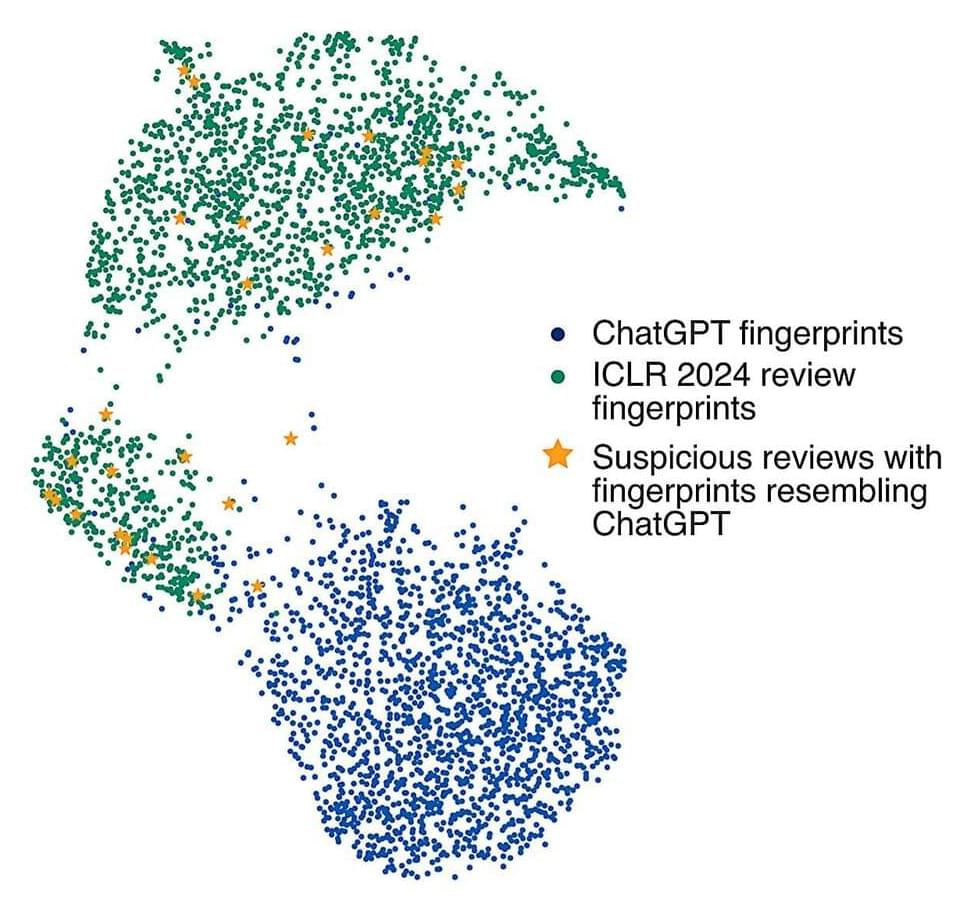
AI and human writers share stylistic fingerprints: New work by researchers detects writing patterns of LLMs

People write with personal style and individual flourishes that set them apart from other writers. So does AI, including top programs like Chat GPT, new Johns Hopkins University-led research finds.

A new tool can not only detect writing created by AI, it can predict which created it, findings that could help identify school cheaters and the language programs favored by people spreading online disinformation.

“We’re the first to show that AI-generated text shares the same features as human writing, and that this can be used to reliably detect it and attribute it to specific language models,” said author Nicholas Andrews, a senior research scientist at Johns Hopkins’ Human Language Technology Center of Excellence.

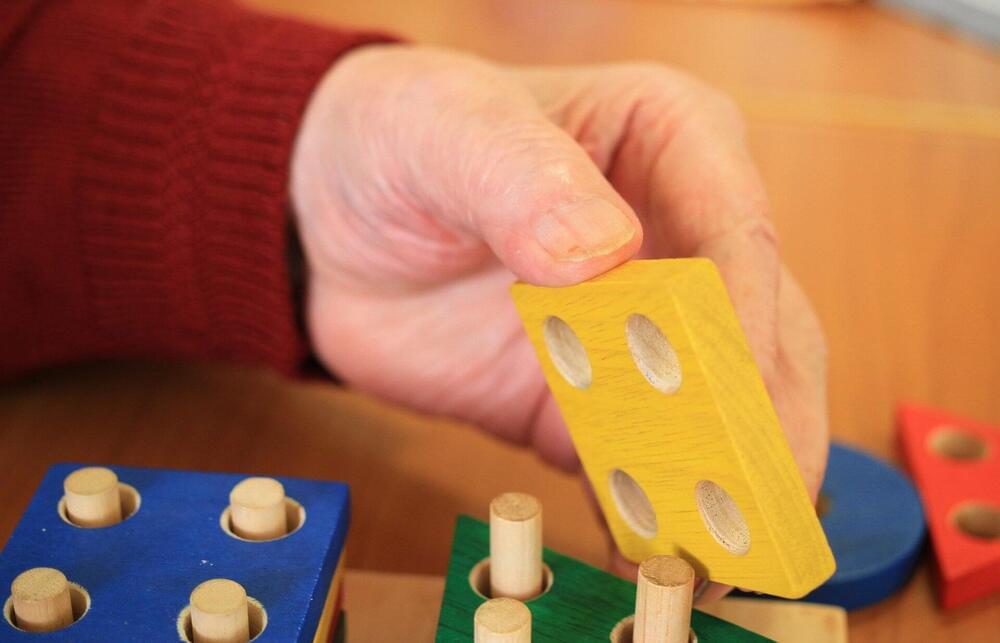
Brain injury rehabilitation study reveals neural mechanisms of sleep-dependent motor learning

New research published by scientists at Kessler Foundation provides critical insights into the role of sleep in motor learning for individuals recovering from traumatic brain injury (TBI). The study sheds light on how sleep, specifically a short nap, influences brain activity associated with motor skill improvement, with implications for optimizing rehabilitation strategies.

The article, “Neural mechanisms associated with sleep-dependent enhancement of motor learning after brain injury”, was published in the Journal of Sleep Research. The study was led by Kessler Foundation researchers Anthony H. Lequerica, Ph.D., with additional authors Tien T. Tong, Ph.D., Paige Rusnock, Kai Sucich, Nancy Chiaravalloti, Ph.D., Ekaterina Dobryakova, Ph.D., and Matthew R. Ebben, Ph.D., and Patrick Chau, from Weill Cornell Medicine, New York.

The study involved 32 individuals with TBI, randomly assigned to either a sleep or wake group following training on a motor task. The sleep group had a 45-minute nap, while the wake group remained awake, watching a documentary.

/* */