Toggle light / dark theme

Neural ‘barcodes’: Intra-regional brain dynamics linked to person-specific characteristics

People can think, behave and function very differently. These observed differences are known to be the result of complex interactions between genetics, neurobiological processes and life experiences.

Understanding the factors underlying in behavior, cognition and mental health is a key objective of numerous psychology and behavioral science studies. One approach to explore these factors entails examining patterns of brain activity that spontaneously emerge when individuals are awake but not engaged in any tasks.

Earlier research aimed at uncovering individual-specific brain activity patterns has primarily looked at the neural fluctuations indicating communication or coupling between distant brain regions. In contrast, very few studies have focused on intra-regional neural dynamics (i.e., fluctuations that take place within individual brain regions over time).
Accelerating therapies for brain conditions

This pace of discovery might be expected given the extreme intricacy of the brain and psychiatric disorders.

“The brain is incredibly complex — we’re talking about tens of billions of neurons with trillions of connections,” says Kozo Kaibuchi, director of the International Center for Brain Science (ICBS) at Fujita Health University, near Nagoya in Japan. “Psychiatric and neurological disorders are also highly diverse — often involving subtle changes on a spectrum rather than one obvious cause.”

On top of that, there are further obstacles that hinder progress in developing treatments for these conditions — the difficulty of imaging inside the human brain; the scarcity of human-like models; and the blood–brain barrier, which prevents most drugs from entering the brain.

New study finds bacteria in brain tumors play ‘surprising’ role in cancer growth

Newly published research in the peer-reviewed journal Nature Cancer suggests that bacteria inside brain tumors may play a far more active role in how cancers grow, spread and respond to treatment than previously understood, according to Prof. Ravid Straussman of the Weizmann Institute of Science.

For years, scientists considered tumors as places where bacteria didn’t grow.


If this problem persists, please email us at support AT timesofisrael.com.

Be sure to include in your email the following details:

Your IP 2600:3c00::f03c:92ff: fe29:18d2.

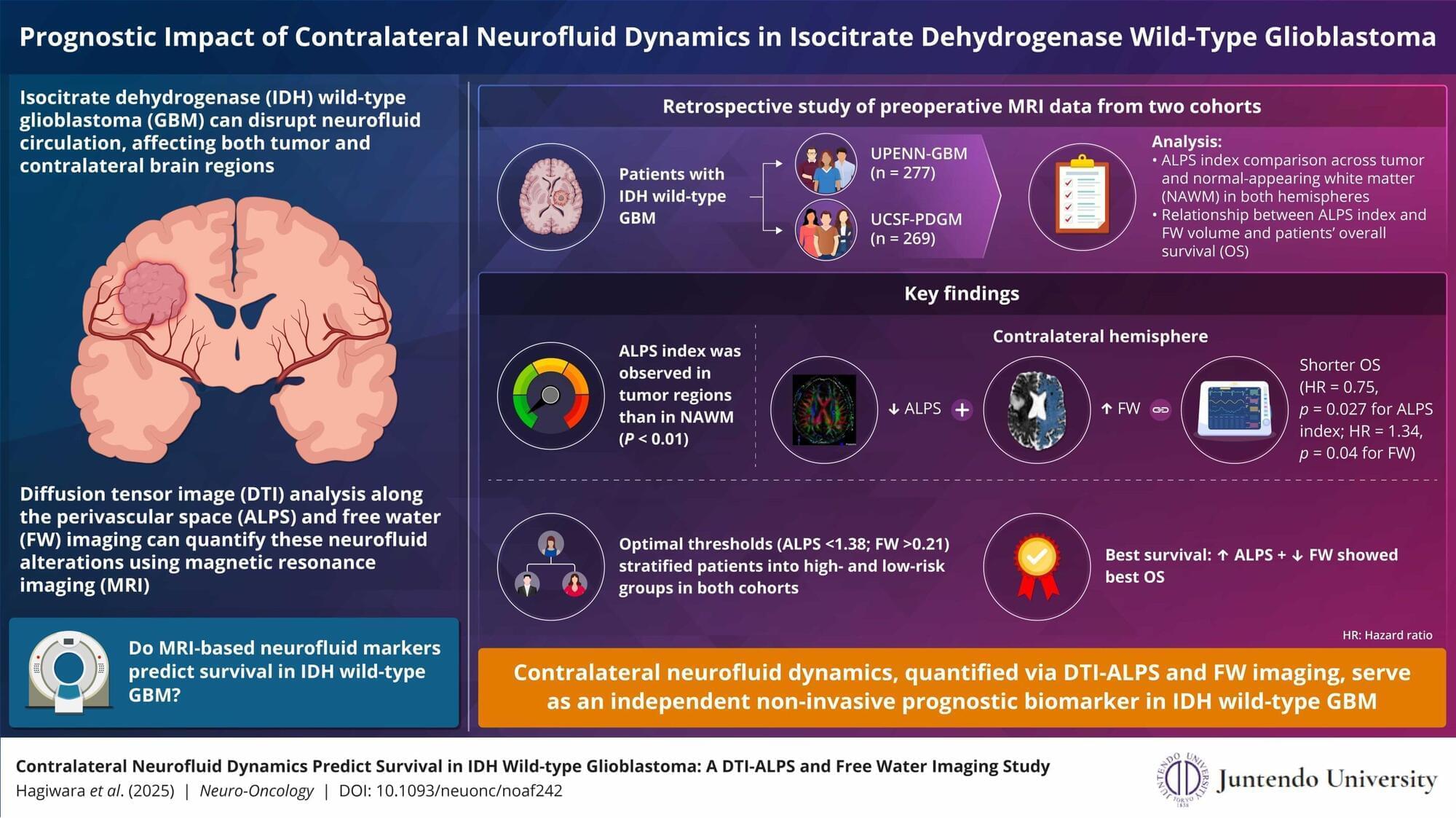
How brain fluid flow predicts survival in glioblastoma

Glioblastoma—the most aggressive form of brain cancer—remains one of medicine’s biggest challenges. Despite surgery, radiotherapy, and chemotherapy, most patients survive only about a year after diagnosis.

However, a new discovery might change how doctors understand and monitor this . Specifically, the study focused on isocitrate dehydrogenase (IDH) wild-type glioblastoma, the most common and rapidly growing form of the tumor, known for its and limited treatment options.

In a study published in Neuro-Oncology, researchers found that brain regions far away from the tumor—known as the contralateral hemisphere (the side opposite to tumor)—can reveal vital clues about a patient’s survival in IDH wild-type glioblastoma.

The psychedelic psilocin suppresses activity of central amygdala corticotropin releasing factor receptor 1 neurons and decreases ethanol drinking in female mice

Alcohol use disorder (AUD) is a highly prevalent disorder with limited therapeutic options. The central amygdala (CeA) is a critical brain region as dysregulation within the CeA and the corticotropin-releasing factor (CRF) system are associated with AUD pathology. CeA CRF1 receptors regulate alcohol drinking and have served as a therapeutic target in alcohol treatment. One emerging potential therapeutic for AUD is psilocybin. Psilocybin has been shown to decrease drinking in some clinical studies however the effects are variable and mechanisms underlying these effects are poorly understood. Psilocybin can engage many brain regions, including the CeA, and may produce therapeutic effects on drinking through interactions with CeA CRF1 neurons. The current study explores the effects of psilocin, the active metabolite of psilocybin, on voluntary ethanol drinking and CeA CRF1 activity to understand the potential mechanisms underlying the therapeutic effects of psilocin. Psilocin acutely decreased ethanol consumption in mice exposed to two different models of chronic ethanol exposure without producing changes in locomotor behavior. Psilocin increased CeA activation and decreased relative CRF1 activation in CeA sub-regions from ethanol-naïve female CRF1:GFP mice. These results were also observed in chronic ethanol-exposed mice at 24hr and 72hr withdrawal timepoints. Psilocin increased corticosterone at 24hr withdrawal but not at 72hr withdrawal. Collectively, these results demonstrate that psilocin engages CeA circuitry and decreases relative CRF1 activation, in parallel with acute reductions in drinking. These results contribute to our understanding of the mechanisms underlying the actions of psilocin and inform the interpretation of therapeutic effects in clinical studies.

Significance Statement Alcohol is one of the most commonly-used substances that dysregulates brain regions involved in emotional processing and stress. An important regulator of the stress response is the neuropeptide known as corticotropin releasing factor (CRF). Alcohol can dysregulate brain regions through the engagement of corticotropin releasing factor receptor 1 (CRF1)-containing neurons and thus promote continued alcohol use. Although alcohol use disorder (AUD) is a highly prevalent condition, few treatment options are available. Psilocybin, a psychedelic prodrug that is broken down into the active metabolite, psilocin, has emerged as a potential treatment for AUD in recent studies. The current study explores the effects of psilocin on alcohol drinking and central amygdala CRF1-containing neurons in female mice to better understand potential therapeutic mechanisms.

Brain’s mechanical properties influence synapse formation and electrical signal development, study finds

In the brain, highly specific connections called synapses link nerve cells and transmit electrical signals in a targeted manner. Despite decades of research, how synapses form during brain development is still not fully understood.

Now, an international research team from the Max-Planck-Zentrum für Physik und Medizin, the University of Cambridge, and the University of Warwick has discovered that the mechanical properties of the brain play a significant role in this developmental process. In a study recently published in Nature Communications, the scientists showed how the ability of neurons to detect stiffness is related to molecular mechanisms that regulate neuronal development.

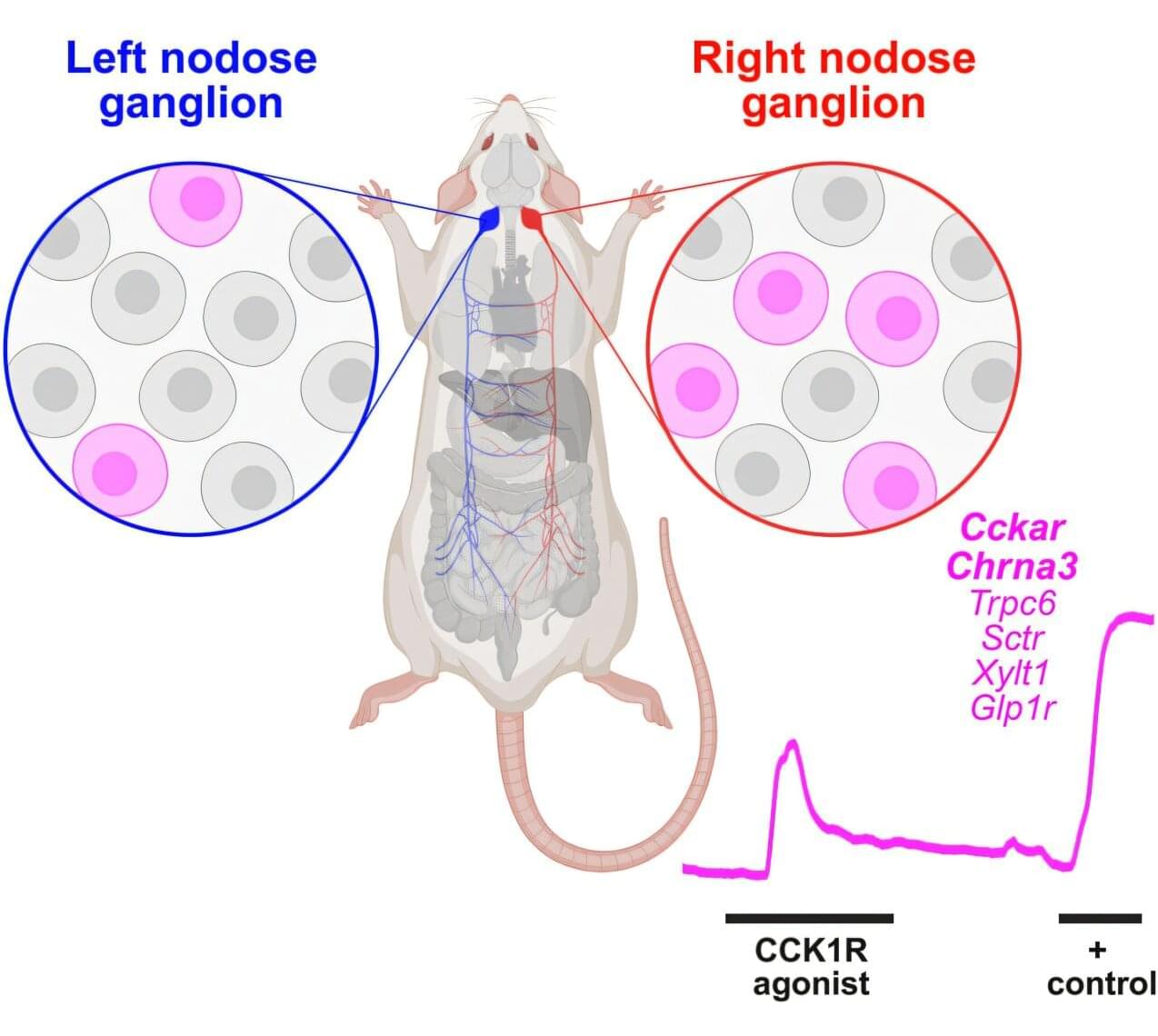
Vagus nerve’s right branch plays a key role in digestive signaling

After years of work, cognition and neuroscience doctoral student Hailey Welch is—for the first time—the lead author of a study published in an academic journal, a paper appearing in Cell Reports, which examined the role of the vagus nerve’s branches in digestive signaling.

The goal of Welch’s research is to learn more about the ’s role in the forming of dietary habits. The vagus nerve includes left and right branches. Earlier research in the Motor and Habit Learning Lab of Dr. Catherine Thorn, associate professor of neuroscience in the School of Behavioral and Brain Sciences and the corresponding author of the Cell Reports study, indicates that those two sides have different functions.

“We know that the vagus nerve transmits information about the nutritional and reward aspects of food from the gut to the brain,” Welch said. “What we are discovering is that such reward signaling is lateralized—mainly right-sided.”

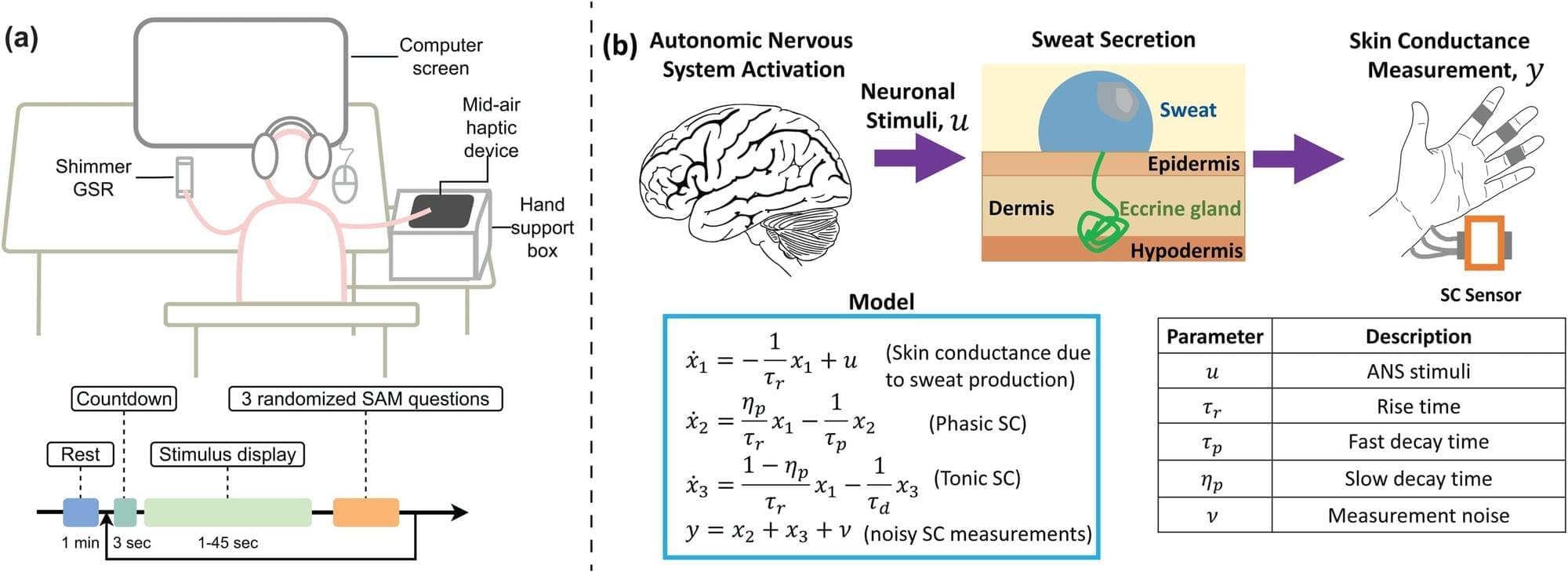
Quantifying the intensity of emotional response to sound, images and touch through skin conductance

When we listen to a moving piece of music or feel the gentle pulse of a haptic vibration, our bodies react before we consciously register the feeling. The heart may quicken and palms may sweat, resulting in subtle electrical resistance variations in the skin. These changes, though often imperceptible, reflect the brain’s engagement with the world.

A recent study by researchers at NYU Tandon and the Icahn School of Medicine at Mount Sinai and published in PLOS Mental Health explores how such physiological signals can reveal cognitive arousal—the level of mental alertness and emotional activation—without the need for subjective reporting.

The researchers, led by Associate Professor of Biomedical Engineering Rose Faghih at NYU Tandon, focused on skin conductance, a well-established indicator of autonomic nervous system activity. When are stimulated, even minutely, the skin’s ability to conduct electricity changes.

/* */